
Aphids
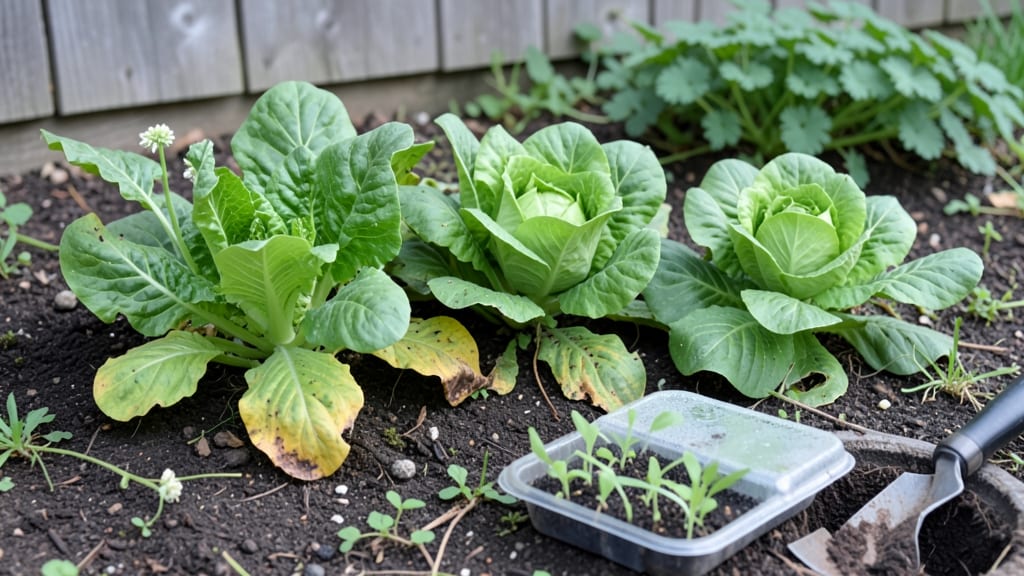
Succession planting lettuce means never running out of crisp, fresh leaves again—no more sad, bolted plants left in the garden. 🌱 I used to watch my lettuce turn bitter and bolt by midsummer, then scramble to find replacements.
Now, I plant in waves so there’s always something ready to harvest, no gaps, no stress.
The magic is in timing and spacing. Start with quick-maturing varieties like ‘Black Seeded Simpson’ every 2-3 weeks once the soil warms to 50°F. Use 12-inch rows with plants spaced 6-8 inches apart—this gives them room to grow without crowding.
In cooler climates, you can even plant through early fall for winter harvests.
By the end of summer, you’ll have a steady supply of tender leaves, no bitter flavors, and no wasted space. The key is watching your plants: harvest the outer leaves first, and they’ll keep producing for weeks. It’s the secret to a garden that never lets you down.
Works for any climate—just adjust your planting schedule. Hot summers? Stick to shade-tolerant varieties and plant in the late afternoon. Cold springs? Start seeds indoors 4-6 weeks before your last frost. Here’s how to make it foolproof every season.
📚 In This Guide
- What you need
- Instructions
- Tips and common mistakes
- Wrapping up and next steps
What you need
- ● Lettuce seeds: Choose fast-maturing varieties (e.g., Buttercrunch, Romaine, or Leaf Lettuce) for quick succession. 2–3 seed packets (or ~100–150 seeds total) should suffice for a small garden.
- ● Seed-starting mix: 1–2 cubic feet of sterile, well-draining potting soil (avoid garden soil—it’s too dense!).
- ● Containers or seed trays: Cell packs (72–200 cells) for individual seedlings, OR
- ● Biodegradable pots (2–3 inches deep) for transplanting.
- ● Garden beds or raised planters: Minimum 6–12 inches deep with full sun (6+ hours/day) or partial shade (lettuce bolts in heat!).
- ● Organic compost: 1–2 gallons to enrich soil before planting.
- ● Hand trowel or transplanting tool (for digging small holes).
- ● Watering can or hose with gentle nozzle (avoid blasting seedlings!).
- ○ Row cover or shade cloth (optional but helpful for hot climates—30–50% shade reduces bolting).
- ● Plant labels or markers (to track planting dates!).
- ● Gloves (for messy hands—trust us, it happens!).
- ● Weather window: Start seeds indoors 4–6 weeks before last frost or direct-sow outdoors 2–3 weeks before last frost (or when soil is 50–60°F).
- ● Soil test: Aim for pH 6.0–7.0 (lettuce thrives in slightly acidic to neutral soil).
- ● Pest control: Diatomaceous earth or neem oil (for aphid prevention—blank">your nemesis in this guide!).
Step-by-step instructions for succession planting lettuce
Here's how to keep your garden producing crisp, fresh lettuce all season long.
🌱 Step 1: Plan Your Planting Timeline
Lettuce thrives in cool weather, so start your first batch 4-6 weeks before your last frost date. After that, plant new batches every 2-3 weeks until 8 weeks before your first fall frost. This ensures you're always harvesting while new seeds are germinating. I like to mark my calendar with planting dates to avoid gaps.
Choose fast-maturing varieties like 'Black Seeded Simpson' or 'Buttercrunch' for quick harvests. These mature in 30-45 days, giving you time to plant another round before summer heat sets in. Avoid slow-growing varieties—they'll bolt before you can succession plant effectively.
🪴 Step 2: Prepare the Planting Site
Lettuce prefers well-draining soil with a pH between 6.0 and 7.0. Work in 2-3 inches of compost or aged manure before planting to enrich the soil. I like to till it in lightly so it blends evenly without clumps. Lettuce roots are shallow, so avoid deep tilling that can damage them later.
Choose a location with partial shade during hot afternoons, especially in summer. Too much direct sun causes lettuce to bolt quickly. If you're planting in containers, use a 12-inch deep pot for each plant to accommodate root growth.
💧 Step 3: Sow Seeds Correctly
Scatter seeds ¼ inch deep and 1 inch apart in rows spaced 12-18 inches apart. I use my finger to make small furrows, then sprinkle seeds along them. Cover lightly with soil and mist gently with water—don't use a watering can, or you'll disturb the seeds. Keep the soil consistently moist until germination, which takes 7-14 days.
Thin seedlings to 6-8 inches apart when they're 2 inches tall. Use scissors to snip unwanted plants at soil level—this prevents disturbing the roots of remaining seedlings. Harvest the thinned seedlings for salads or compost them. This spacing gives mature plants room to grow without competing for nutrients.
☀️ Step 4: Maintain Ideal Growing Conditions
Water lettuce 1 inch per week, keeping the soil evenly moist but not soggy. I water in the morning so leaves dry quickly, reducing disease risk. Mulch with 1-2 inches of straw to retain moisture and suppress weeds. Avoid overhead watering once seedlings emerge—it can spread fungal diseases like downy mildew.
Watch for signs of bolting, like tall stems and bitter leaves. If this happens, harvest the outer leaves immediately and enjoy them in salads. If the heat is too intense, provide afternoon shade with a lightweight shade cloth. Consistent moisture and moderate temperatures keep lettuce sweet and crisp.
⏰ Step 5: Harvest Strategically
Harvest leaf lettuce by picking outer leaves when they reach 4-6 inches tall. This encourages the plant to keep producing new leaves. For head lettuce, harvest when heads are firm and fully formed, usually 45-60 days after planting. Cut the head at the base with a sharp knife or scissors.
After harvesting, pull up any remaining plants to make room for your next succession planting. I like to compost the spent plants to return nutrients to the soil. By following this cycle, you'll have a continuous supply of fresh lettuce from early spring to late fall.
Tips & tricks for perfect succession planting lettuce
These simple strategies will help you maintain a steady supply of fresh lettuce all season long without the common pitfalls.
Planting Calendar Strategy: Mark your calendar with the 4-6 week window before your last frost date for your first planting. Then set reminders every 2-3 weeks to plant new batches—this ensures you're always harvesting while new seeds are germinating. I find using a garden journal with planting dates prevents gaps in production and helps track which varieties are performing best.
Soil Preparation Tip: Test your soil pH before planting—lettuce thrives in the 6.0-7.0 range. If your soil is too acidic, add lime; if it's alkaline, work in sulfur. I like to mix in 2-3 inches of compost right before planting to give the shallow roots immediate access to nutrients. This extra step makes all the difference in preventing nutrient deficiencies that cause bitter flavors.
Seedling Care Secret: When thinning seedlings to 6-8 inches apart, use clean scissors to snip unwanted plants at soil level rather than pulling them. This prevents disturbing the roots of remaining seedlings and gives you bonus baby lettuce for salads. I've found that harvesting these thinned seedlings actually improves the growth of the remaining plants by reducing competition.
Heat Management: During summer months, provide afternoon shade with a lightweight shade cloth to prevent bolting. I use a 30% shade cloth that filters just enough sunlight to keep temperatures moderate. This simple step extends your growing season by weeks and keeps your lettuce sweet and crisp rather than bitter and tough.
Pro Tips for Succession Planting Lettuce
- These simple strategies will help you maintain a steady supply of fresh lettuce all season long without the common pitfalls.
- Planting Calendar Strategy: Mark your calendar with the 4-6 week window before your last frost date for your first planting.
- Soil Preparation Tip: Test your soil pH before planting—lettuce thrives in the 6.0-7.0 range.
Frequently asked questions
Got questions about succession planting lettuce?
You’re not alone! Here are some of the most common concerns—plus quick, practical answers to keep your garden thriving.
What’s the best spacing for lettuce in succession planting?
Start seeds or transplants 8–12 inches apart in rows spaced 12–18 inches apart. Thinner varieties (like looseleaf) can go closer (6–8 inches), while larger heads (like romaine) need more room. Pro tip: Use a ruler or spacing grid to avoid overcrowding—it’s a game-changer for airflow and pest control!
How often should I plant new lettuce after harvesting?
For cut-and-come-again types (like buttercrunch), replant every 2–3 weeks once the first harvest begins. For head lettuce, stagger plantings 3–4 weeks apart to ensure continuous harvests. Hot tip: If your area gets hot, opt for heat-tolerant varieties (like Black Seeded Simpson) to extend your season.
How do I prevent aphids or pests from ruining my succession plantings?
Aphids love tender lettuce! Prevent them with:
- Neem oil or insecticidal soap (spray early morning/evening).
- Ladybugs or lacewings (natural predators).
- Row covers for young plants.
- Remove infected leaves immediately.
Can I succession plant lettuce in containers or small spaces?
Use deep containers (10+ inches) with well-draining soil. Plant 2–3 lettuce per 12-inch pot (thinner varieties work best). Window boxes or vertical planters also work—just ensure they get 4–6 hours of sun. Space hack: Try interplanting with radishes or carrots to maximize space!
What if my lettuce bolts (goes to seed) too early?
Bolting happens when lettuce senses heat or stress. To delay it:
- Use shade cloth (30–50%) during peak sun.
- Choose slow-bolting varieties (e.g., ‘Jericho’ or ‘Winter Density’).
- Keep soil consistently moist (not soggy!).
- Plant in late summer/early fall for cooler temps.
Wrapping up and next steps
Mastering succession planting lettuce is your ticket to a never-ending harvest of crisp, fresh greens—no gaps, no waste! By spacing out your plantings and staying ahead of pests like aphids, you’ll enjoy homegrown salads all season long. 🌱
Ready to put your new skills into action? Start with a small batch this week, then expand as you gain confidence. Soon, you’ll be the envy of your gardening circle with your effortless, bountiful lettuce supply!