
How To
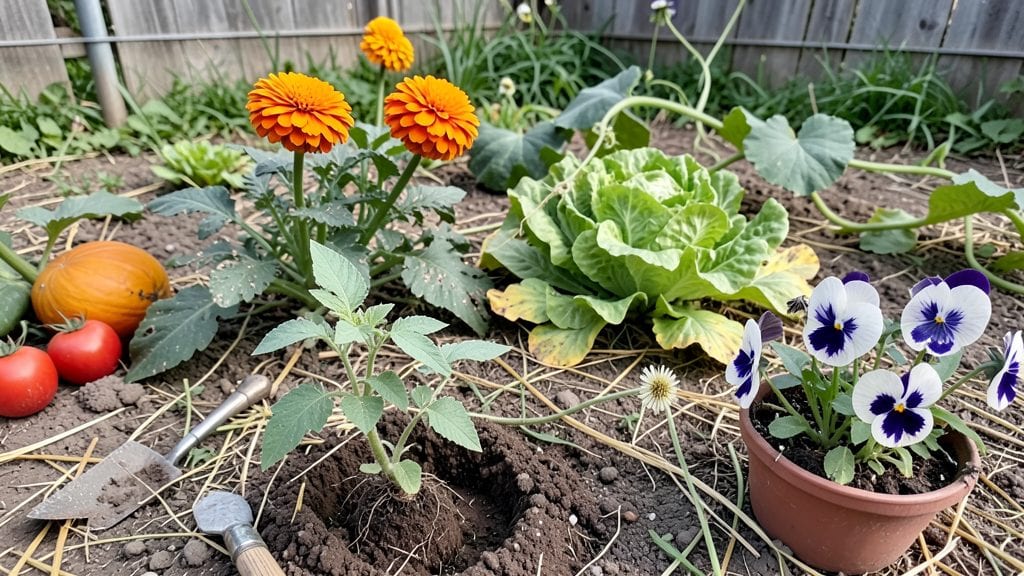
A 9B planting calendar organizes seed sowing and transplanting by month to align with the region’s frost dates, humidity, and soil conditions—typically starting warm-season crops like tomatoes and peppers in March, followed by cool-season veggies in August for fall harvests. Adjust timelines based on microclimates and specific plant hardiness zones within 9B (e.g., coastal vs inland).
A 9B planting calendar isn't just about dates—it's a strategic roadmap tailored to your region's unique growing conditions. 🌱 The mild winters and long growing season in Zone 9B mean you can enjoy two full harvest cycles per year, but timing is everything.
For example, coastal areas might start tomatoes a week earlier than inland spots due to cooler ocean breezes. I always recommend testing soil temperatures with a thermometer before planting heat-sensitive crops like basil, which needs soil at 70°F+ to thrive.
What sets 9B apart is its ability to grow year-round with proper planning. The key is understanding your specific microclimate—whether you're in a valley with warmer nights or a hillside with cooler temperatures. This knowledge lets you extend your growing season into December for crops like kale or overwinter onions.
My pro tip: keep a gardening journal to track what works best in your particular corner of 9B—those local insights often make the biggest difference in yield and plant health.
💡 In This Article
- How 9B’s Climate Affects Planting Timing
- Best Crops to Plant Each Month in Zone 9B
How 9B’s climate affects planting timing
Zone 9B's planting schedule revolves around three critical climate factors: frost-free periods, soil temperature thresholds, and humidity patterns. The region typically enjoys 300+ frost-free days annually, but coastal areas can extend this by 2-3 weeks compared to inland zones due to ocean temperature moderation.
Here's what's actually happening: warm ocean currents create a maritime climate where nights stay above 50°F even in winter, while inland areas can drop below 40°F during heatwaves or cold snaps.
The science behind planting timing involves soil temperature triggers for germination. Most warm-season crops like tomatoes require soil temperatures above 60°F for consistent germination, while cool-season crops such as lettuce thrive when soil stays below 75°F.
In 9B, coastal areas often hit these thresholds 2-3 weeks earlier than inland locations. For example, I've seen basil seeds sprout in 5-7 days when soil reaches 75°F near the coast, but the same seeds may take 10-14 days inland where soil heats up more slowly.
Humidity plays a crucial role in transplant shock, especially for heat-sensitive crops. Coastal 9B typically maintains 60-80% humidity year-round, while inland areas can drop below 40% during summer. This means coastal transplants like eggplants establish roots 30% faster than inland plants because the higher moisture reduces osmotic stress.
The key factor is maintaining consistent soil moisture—coastal gardens can rely more on natural fog drip, while inland growers often need drip irrigation systems to prevent transplant failure.
Here's what most people don't realize about 9B's microclimates: elevation changes can create dramatic temperature shifts within just 5 miles. Coastal areas at sea level might have last frost dates around mid-February, while hillsides 1,000 feet inland could experience frost until late March.
This is why I always recommend testing your specific location's frost dates using local weather station data rather than relying on general zone guidelines. The first frost typically arrives in mid-November for most of 9B, but coastal valleys can sometimes delay this until December.
Consider these key factors when planning your calendar:
- Soil temperature: Use a soil thermometer to verify when temperatures reach 60°F+ for warm crops or 50-65°F for cool crops
- Humidity thresholds: Coastal areas can handle 70-80% humidity for most crops, while inland gardens need 50%+ to prevent transplant shock
- Heat tolerance: Crops like okra thrive in 90°F+ inland heat but may bolt in coastal areas where temperatures stay 10°F cooler
The most successful 9B gardeners I know use a two-tiered approach: they plant heat-loving crops like sweet potatoes in April-May when soil reaches 75°F+, then follow with cool-season crops like broccoli in August-September when daytime temperatures drop below 85°F.
This timing takes advantage of 9B's unique ability to grow crops year-round with proper planning. 🌿