
Companion Plants
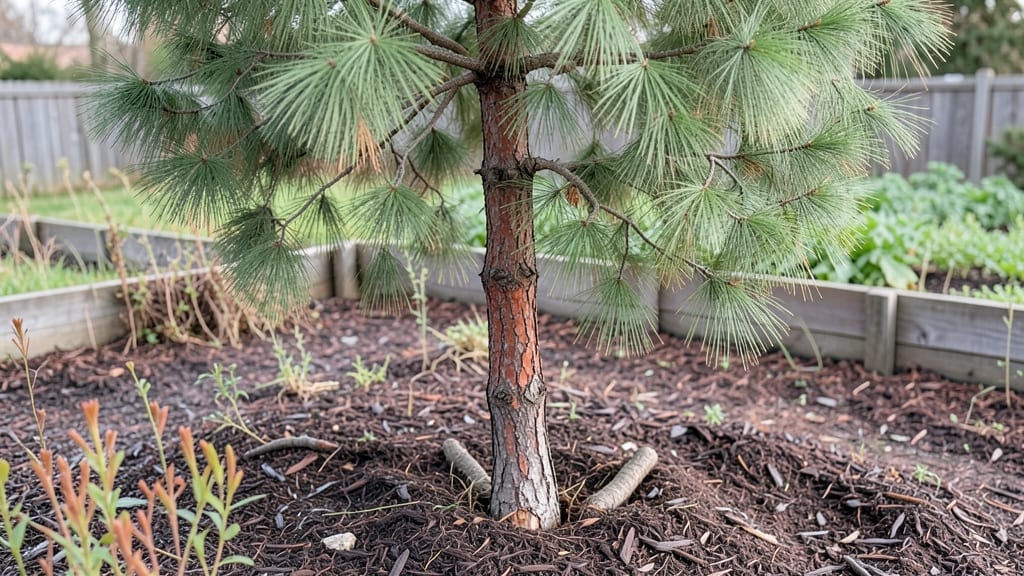
Creating a drought-resistant privacy screen with standing cypress plants starts with choosing the right variety for your climate. These upright evergreens thrive in dry conditions and grow with striking vertical form, making them ideal for hedges or windbreaks.
I planted mine along my property line, and within five years, they formed a dense, natural barrier that requires almost no water once established.
The key to success lies in well-drained soil and full sun exposure—these plants despise soggy roots. Amend heavy clay with coarse sand or gravel to improve drainage, and space saplings 10 to 15 feet apart for optimal airflow and growth.
In my Zone 7b garden, they’ve handled summer droughts with ease, though a deep watering every 2-3 weeks keeps them lush during their first two years.
Pruning is minimal but strategic: remove only dead or crossing branches in late winter or early spring. The feathery blue-green foliage stays vibrant with little maintenance, and their natural shape eliminates the need for heavy shearing.
Over time, they’ll grow 20 to 40 feet tall, creating a year-round privacy screen that outperforms any fence or synthetic barrier.
For best results, plant in early spring or fall when temperatures are mild. These trees adapt well to urban settings, making them perfect for city lots or suburban backyards where space is limited. With proper placement, they’ll reward you with decades of low-maintenance beauty and privacy.
📚 In This Guide
- What you need
- Instructions
- Tips and common mistakes
- Wrapping up and next steps
What you need
- ● Standing cypress plants (Taxodium distichum var. Nutans) – 3+ plants per 6-foot section (adjust based on desired height and spacing). Choose healthy, disease-free specimens from a reputable nursery.
- ● Well-draining soil mix – 50% native soil + 50% organic matter (compost or peat moss). For heavy clay, amend with perlite or sand.
- ● Mulch (pine straw or wood chips) – 2–3 inches to retain moisture and suppress weeds.
- ● Watering can or hose with a gentle spray nozzle – For deep, infrequent watering (critical for young plants!).
- ● Pruning shears or loppers – Sharp, clean tools (sterilize with rubbing alcohol) for shaping and maintenance.
- ○ Stakes and garden twine – Optional but helpful for young plants in windy areas (1–2 stakes per plant).
- ● Gloves – Heavy-duty gardening gloves to protect hands from thorns and soil.
- ● Trowel or spade – For digging planting holes (12–18 inches deep and wide).
- ● Measuring tape – To ensure proper spacing (6–10 feet apart for mature plants).
- ● Fertilizer (balanced, slow-release) – 10-10-10 or organic options like compost tea (apply sparingly; cypress prefers lean soil).
- ● Sunlight assessment – Full sun to partial shade (6+ hours of sunlight daily for optimal growth).
- ○ Drought-tolerant companion plants (optional) – Pair with Carex sedges or Itea for a layered look.
- ● 💡 Plant in early spring or fall to avoid extreme heat or cold, giving roots time to establish.
- ● 🌡️ Water deeply 2–3 times per week for the first year, then taper to once weekly (drought-resistant but not drought-proof!).
- ● 🎯 Avoid over-fertilizing—standing cypress thrives in poor soil and can become leggy with excess nutrients.
How to create a stunning standing cypress privacy screen
This drought-resistant evergreen thrives in tight spaces and delivers year-round privacy with minimal care.
Choose the Right Location for Planting
Standing cypress—also called Ilex vomitoria—thrives in full sun to partial shade, making it perfect for privacy screens. Look for a spot with at least 6 hours of direct sunlight daily, though it tolerates 4 hours in hotter climates. Avoid low-lying areas where cold air settles, as these plants dislike frost pockets. The soil should drain well, so test by digging a hole—if water pools after 15 minutes, amend with 2 inches of coarse sand or plant on a slight mound.
Space plants 3 to 4 feet apart for a dense screen that fills in over time. Mark planting spots with stakes to ensure even spacing. I always plant in early spring or fall when temperatures are mild—this gives roots time to establish before extreme heat or cold sets in. If planting in summer, water deeply the day before to reduce transplant shock.
Prepare the Soil and Plant Each Sapling
Loosen the soil in a 12-inch diameter circle around each planting hole to encourage root spread. Mix 2 cups of compost into the top 6 inches of soil for nutrients without compacting it. Standing cypress prefers slightly acidic soil (pH 5.0–6.5), so test your soil—if it’s alkaline, add sulfur according to package instructions.
Dig holes twice as wide as the root ball but no deeper. Gently remove each plant from its container and tease apart any circling roots. Place the sapling in the hole so the top of the root ball sits 1 inch above ground level—this prevents rot. Backfill with native soil, pressing lightly to remove air pockets. Water each plant with 1 gallon of water to settle the soil.
Mulch and Water for Establishment
Spread 2 inches of mulch (like pine bark or shredded leaves) in a 3-foot diameter ring around each plant, keeping it 6 inches away from the stem to prevent rot. Mulch conserves moisture and regulates soil temperature—critical in the first year. Avoid thick layers, which can suffocate roots. I use drought-tolerant mulch to match the plant’s needs.
Water deeply twice a week for the first month, then taper to once a week once new growth appears. Standing cypress is drought-resistant once established, but young plants need consistent moisture. Check soil moisture by sticking your finger 2 inches deep—water when it feels dry. Overwatering is the biggest mistake here; soggy soil leads to root rot.
Prune and Maintain for Year-Round Privacy
Prune standing cypress once a year in late winter or early spring before new growth starts. Remove dead, diseased, or crossing branches with clean, sharp pruners. Thin out 10–20% of the oldest growth to encourage fresh, dense foliage. Never shear into a tight ball—this plant’s natural shape is its beauty. After pruning, apply a balanced fertilizer (like 10-10-10) to support recovery.
Fertilize lightly twice a year: once in early spring and again in mid-summer. Use ½ cup of slow-release granules per plant, working it into the top 2 inches of soil. Standing cypress doesn’t need heavy feeding—too much fertilizer leads to weak, leggy growth. Monitor for pests like spider mites or scale; a strong spray of water usually dislodges them, but neem oil works for stubborn infestations.
Monitor Growth and Adjust Care Seasonally
Standing cypress grows 1–2 feet per year, so expect a 6-foot-tall screen in 3–4 years. Thin out plants if they crowd by removing the smallest or weakest specimens. This prevents competition for water and nutrients. In hot, dry summers, increase watering to every 10–14 days unless rain falls. In winter, reduce watering to once a month unless temperatures drop below 20°F, then add 2 inches of mulch for insulation.
Watch for signs of stress: yellowing leaves often mean overwatering, while brown tips signal underwatering or salt buildup (from hard water or fertilizer). Adjust care accordingly—standing cypress is forgiving but performs best with consistent conditions. With proper spacing and light, your privacy screen will stay lush and green for decades.
Tips & tricks for perfect standing cypress privacy screens
Creating a stunning standing cypress privacy screen is all about the details—small adjustments make a huge difference in how quickly and beautifully your plants grow. Here's what I've learned from years of working with these drought-resistant evergreens.
Location is Everything: In Step 1, when choosing your planting spot, pay close attention to sunlight exposure. While standing cypress tolerates 4 hours of sun in hotter climates, I've found that spots with 6 hours of direct sunlight produce the densest growth. Also, avoid planting in frost pockets—even though standing cypress is cold-hardy, extreme cold below 20°F can stress young plants. If you must plant in a low spot, consider a slight mound or raised bed for better drainage.
Soil Preparation Matters: The soil prep in Step 2 is where many people cut corners, but don't skip it. When mixing 2 cups of compost into the top 6 inches of soil, work it in thoroughly but gently—you don't want to compact the soil. For alkaline soils, I recommend testing your pH first. If you're unsure, a simple home test kit is worth the investment. The goal is that pH 5.0-6.5 range—the plant's sweet spot for nutrient uptake.
Watering Wisdom: The watering schedule in Step 3 is crucial, especially during the first month. While twice-weekly watering is standard, I've noticed that plants in containers or sandy soils may need watering every 5-6 days instead. Always check soil moisture by sticking your finger 2 inches deep—this simple test prevents both overwatering and underwatering. And here's a pro tip: water deeply each time rather than frequent light waterings. This encourages deep root growth that makes your plants more drought-resistant over time.
Pruning for Density: When pruning in Step 4, focus on thinning out rather than shearing. The goal is to remove 10-20% of the oldest growth to let light penetrate to the center of the plant. I've seen many people shear these plants into tight balls, which actually reduces their natural beauty and density. Use clean, sharp pruners and make cuts just above a leaf node or branch collar for the cleanest results. This approach keeps your screen looking natural while encouraging fresh growth.
Pro Tips for Standing Cypress Plants
- Creating a stunning standing cypress privacy screen is all about the details—small adjustments make a huge difference in how quickly and beautifully your plants grow.
- Location is Everything: In Step 1, when choosing your planting spot, pay close attention to sunlight exposure.
- Soil Preparation Matters: The soil prep in Step 2 is where many people cut corners, but don't skip it.
Frequently asked questions
Got questions about growing standing cypress plants as your drought-resistant privacy screen? You’re not alone! Here are answers to the most common queries to help you get started with confidence.
How long does it take for standing cypress plants to grow tall enough for privacy?
Standing cypress (also called Taxodium distichum) grows about 12–24 inches per year under ideal conditions. For a 6–8-foot-tall privacy screen, expect 3–5 years of growth. Planting multiple shrubs close together speeds up coverage—think 3–5 feet apart for faster results!
Are standing cypress plants really drought-resistant? Can they survive in dry climates?
Yes! Once established (1–2 years), standing cypress thrives in drought conditions. Their deep root systems and needle-like foliage minimize water loss. In extreme heat, water deeply once a week during the first year, then taper off. Pro tip: Mulch around the base to retain moisture and regulate soil temperature.
Can I grow standing cypress in containers instead of planting them in the ground?
While possible, containers limit root growth and may stunt their height over time. If you must use pots, choose large, deep containers (2+ feet deep) with drainage holes and a well-draining soil mix. Expect slower growth and more frequent watering. For a full privacy screen, ground planting is ideal—but containers work for small accents!
What pests or diseases should I watch for with standing cypress plants?
Standing cypress is generally low-maintenance, but keep an eye out for:
- Bagworms: Look for small, silk-covered bags on branches—treat with Bt spray or prune them off.
- Fungal issues (like Phytophthora): Avoid overwatering and ensure good drainage to prevent root rot.
- Scale insects: Wipe leaves with soapy water if you spot sticky residue.
Do standing cypress plants lose their needles in winter? Should I worry?
Don’t panic if your standing cypress drops needles in winter—it’s normal! These plants are evergreen but may shed some foliage in cold snaps. If you see browning or excessive needle drop, check for overwatering or poor drainage. Healthy plants will regrow needles in spring.
Wrapping up and next steps
Transforming your outdoor space with standing cypress plants is a game-changer—offering drought resistance, privacy, and breathtaking vertical beauty! 🌿 Whether you’re a beginner or a seasoned gardener, their low-maintenance charm makes them a perfect addition to any landscape.
Ready to elevate your garden? Start by selecting the right location, prepping the soil, and planting with care. Your future shady retreat is just a few steps away!
🌱 Next Steps:
- Mark your planting spots and gather supplies.
- Check soil moisture before watering—standing cypress thrives with minimal care!
- Monitor growth and enjoy the lush, green privacy screen in no time.