
Planting
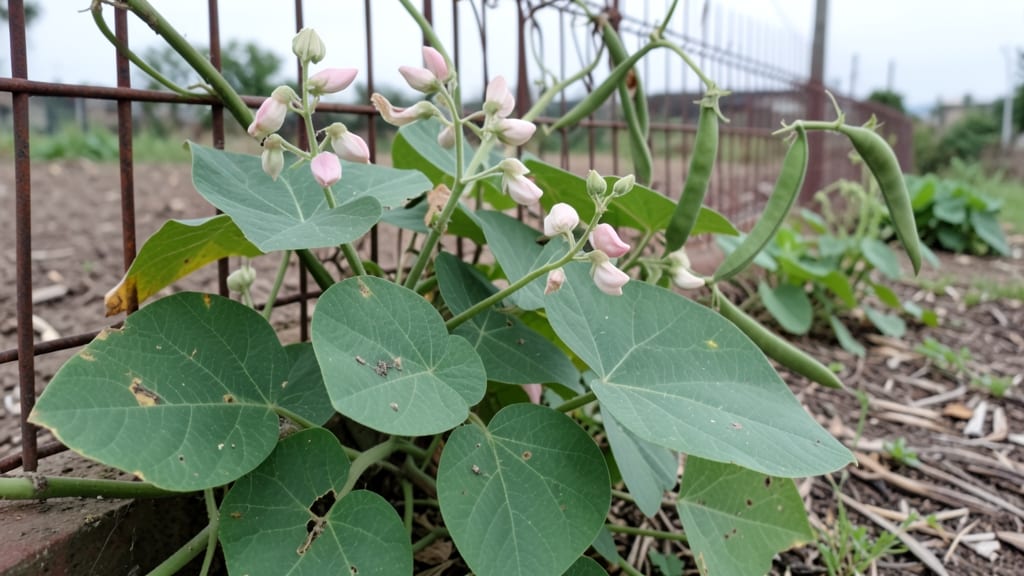
The jack bean plant grows faster than most vines, reaching 10-15 feet in a single season—and it thrives in heat and drought once established. 🌿 I’ve watched mine climb trellises in 90-degree soil where other plants wilt, producing edible pods and fixing nitrogen to boot.
This isn’t just another ornamental; it’s a hardworking perennial that rewards patience with both beauty and harvest.
Start with large seeds (they’re thick—soak overnight for faster germination) in well-draining soil with full sun exposure. Unlike fussy tropical plants, jack beans tolerate poor soil if it drains well, making them perfect for neglected corners or slopes.
A strong trellis or fence is essential—they’ll twine aggressively, but without support, vines sprawl and break under their own weight.
Water deeply once a week after establishment (they’re drought-tolerant but need moisture to climb). Fertilize lightly with compost or fish emulsion at planting, then let nature do the work—these plants pull nitrogen from the air, enriching the soil for future crops.
By mid-summer, you’ll see velvety green leaves and long, flat pods ready for harvest or drying.
Prune only to control spread or remove damaged vines—this plant grows too well, not too poorly. In colder zones, treat as an annual unless you have a sheltered microclimate. The real magic? Zero pesticides needed—birds and insects adore the flowers, and the pods deter most pests naturally.
Start with one, and you’ll soon wonder why you didn’t plant more years ago.
📚 In This Guide
- What you need
- Instructions
- Tips and common mistakes
- Wrapping up and next steps
What you need
- ● Jack Bean Seeds: 5–10 seeds (choose Canavalia ensiformis for best drought resistance)
- ● Large Pots or Containers: 12–18 inches deep (or a garden bed with well-draining soil)
- ● Potting Mix: 5–10 gallons of high-quality, well-draining soil (add perlite or sand for extra aeration)
- ● Watering Can or Hose: With a gentle spray nozzle for seedlings
- ● Fertilizer: Balanced organic fertilizer (e.g., 10-10-10) or compost
- ● Trellis or Support Stakes: 6–8 feet tall (jack beans are vining plants!)
- ● Pruning Shears: For trimming and harvesting
- ● Mulch: Straw or wood chips to retain moisture
- ● Soil pH Tester: Ideal pH range: 6.0–7.0
- ● Seedling Heat Mat: For faster germination in cooler climates
- ● Organic Pest Control: Neem oil or companion plants (e.g., marigolds)
Step-by-Step instructions for growing jack bean plants
Here's how to cultivate these hardy perennials quickly—ideal for hot climates and low-maintenance yards.
🌱 Step 1: Choose the Right Location and Prepare the Soil
Jack beans thrive in full sun—select a spot that receives at least 6-8 hours of direct sunlight daily. These plants tolerate poor soil but grow best in well-draining, slightly acidic to neutral soil with a pH between 6.0 and 7.5. Avoid heavy clay or waterlogged areas, as their roots need oxygen to expand.
Before planting, loosen the top 12 inches of soil with a garden fork to improve drainage. Mix in 2-3 inches of compost to enrich the soil naturally. Jack beans have deep taproots, so avoid disturbing the soil further once planted—they’ll establish themselves quickly once settled.
🌱 Step 2: Plant Seeds at the Correct Depth and Spacing
Sow seeds 1-2 inches deep in early spring, after the last frost date in your area. Since jack beans are large plants, space them 3-4 feet apart in rows 4-5 feet apart to allow for full growth. Plant 2-3 seeds per hole and thin to the strongest seedling once they reach 6 inches tall—this ensures you don’t lose yield if some seeds fail to germinate.
I like to plant them in slightly mounded soil to prevent water pooling around the seeds, which can cause rot. Water lightly after planting to settle the soil, but avoid soaking the seeds. Germination typically takes 7-14 days, depending on soil warmth—warmer soils speed up the process.
☀️ Step 3: Water Deeply but Infrequently
Jack beans are drought-resistant once established, but young plants need consistent moisture. Water deeply once a week during the first 4-6 weeks to encourage deep root growth. After that, reduce watering to every 2 weeks, allowing the top 2 inches of soil to dry out between waterings. Overwatering leads to root rot, especially in heavy soils.
Mulch around the base with 2-3 inches of organic mulch (like straw or wood chips) to retain moisture and suppress weeds. This also keeps the soil temperature stable, which jack beans appreciate. You’ll know your watering is right when the leaves stay a vibrant green without wilting or yellowing.
✂️ Step 4: Provide Minimal Maintenance for Fast Growth
Jack beans require little pruning, but you can remove any dead or diseased leaves promptly to prevent spread. These plants are vigorous and self-supporting, but if they grow too tall (up to 10 feet), you may need to stake them for stability—especially in windy areas. I use bamboo stakes or trellises to support the vines without restricting growth.
Fertilize lightly once in early summer with a balanced, slow-release fertilizer (like 10-10-10) to promote flowering and pod development. Avoid heavy nitrogen fertilizers, which encourage leafy growth at the expense of beans. You’ll see flowers appear 3-4 months after planting, followed by pods in 6-8 weeks.
🌿 Step 5: Harvest and Encourage Perennial Growth
Harvest beans when pods are firm and fully developed but before they turn hard or split open. Use pruning shears to cut pods from the vine, leaving a small stem attached. Harvest regularly to encourage more production—jack beans are prolific and will continue yielding for years if cared for properly.
In colder climates, cut back the foliage in late fall and mulch heavily to protect the roots. Jack beans are perennials in USDA zones 9-11 and will regrow each spring with minimal intervention. In colder zones, treat them as annuals or dig up tubers in fall to overwinter indoors.
Tips & tricks for perfect jack bean plant growth
Fast-growing jack beans reward patience with minimal effort—here's how to maximize their drought-resistant potential while avoiding common pitfalls.
Soil Prep Secret: The 12-inch soil loosening in Step 1 isn't just about drainage—it creates an oxygen-rich zone that jack beans' deep taproots absolutely crave. I've found that adding a handful of perlite to the 2-3 inches of compost helps maintain that aeration even in heavier soils. This prevents the dreaded "root suffocation" that can stunt growth, especially in the first critical 4-6 weeks when roots are establishing.
Germination Timing: Those 7-14 days for germination can feel like an eternity, but don't rush it! I've learned the hard way that soaking seeds overnight before planting actually slows germination by 3-4 days—just water lightly after planting to settle the soil. For faster sprouting, plant in slightly warmer soil (70-75°F) by using black plastic mulch to warm the soil before seeding. The difference in emergence time is noticeable.
Watering Wisdom: The deep weekly watering in Step 3 works wonders, but timing matters. Always water in the early morning so leaves have all day to dry—this prevents fungal issues that can crop up in humid climates. I've seen jack beans develop powdery mildew when watered in late afternoon, so this simple adjustment makes a huge difference in plant health. The goal is moist but never soggy soil at the root level.
Perennial Strategy: For true perennial performance in zones 9-11, cut back foliage in late fall but leave the stems intact—this protects the crown while allowing snow to insulate the roots. In colder zones, I've had success overwintering dug-up tubers in a cool, dark garage wrapped in damp peat moss. The tubers stay dormant but ready to replant in spring, giving you a head start on the 3-4 month flowering cycle.
Pro Tips for Jack Bean Plant
- Fast-growing jack beans reward patience with minimal effort—here's how to maximize their drought-resistant potential while avoiding common pitfalls.
- Soil Prep Secret: The 12-inch soil loosening in Step 1 isn't just about drainage—it creates an oxygen-rich zone that jack beans' deep taproots absolutely crave.
- Germination Timing: Those 7-14 days for germination can feel like an eternity, but don't rush it!
Frequently asked questions
Got questions about growing jack bean plants? You’re not alone—this hardy perennial is full of surprises! Here are answers to the most common queries to help you cultivate a thriving crop with ease.
How long does it take for jack beans to grow from seed?
Jack beans are fast growers! With the right conditions, you’ll see sprouts in 5–10 days, and plants can reach maturity (ready for harvest) in just 60–90 days. Their rapid growth makes them perfect for beginners or drought-prone areas where speed matters.
Can jack beans grow in containers or do they need a garden bed?
Yes! Jack beans thrive in containers as long as the pot is at least 12–18 inches deep and has drainage holes. Use a well-draining soil mix and place them in full sun. Just ensure the container stays moist but not soggy—they’re drought-tolerant but hate waterlogged roots.
How often should I water jack bean plants?
Jack beans are drought-resistant, but young plants need consistent moisture. Water every 2–3 days during the first 2 weeks, then reduce to once a week (or when soil feels dry 2 inches deep). Once established, they’ll survive on rainfall alone in most climates!
What pests or diseases should I watch for with jack beans?
These plants are pest-resistant, but keep an eye out for bean beetles or aphids. If spotted, spray with neem oil or introduce ladybugs. Overwatering can lead to root rot, so always prioritize well-draining soil. Healthy jack beans rarely face major issues!
Can I eat jack beans raw, or do they need cooking?
Jack beans are edible but must be cooked—raw beans contain toxins that disappear when boiled or roasted. Soak them for 12+ hours before cooking to improve digestibility. Once prepared, they’re a nutrient-packed addition to soups, stews, or even flour!
Wrapping up and next steps
Growing a jack bean plant is a rewarding way to boost your garden’s resilience and productivity—especially in dry climates! 🌱 With its fast growth, drought-resistant nature, and high yields, this perennial is a game-changer for both beginners and seasoned gardeners.
Whether you’re aiming for food security, soil improvement, or just a stunning green addition, the jack bean delivers.
Ready to take the next step? Start by gathering your supplies, then plant with confidence—your future harvest (and healthier soil!) will thank you. Happy gardening! 🌿