
Planting
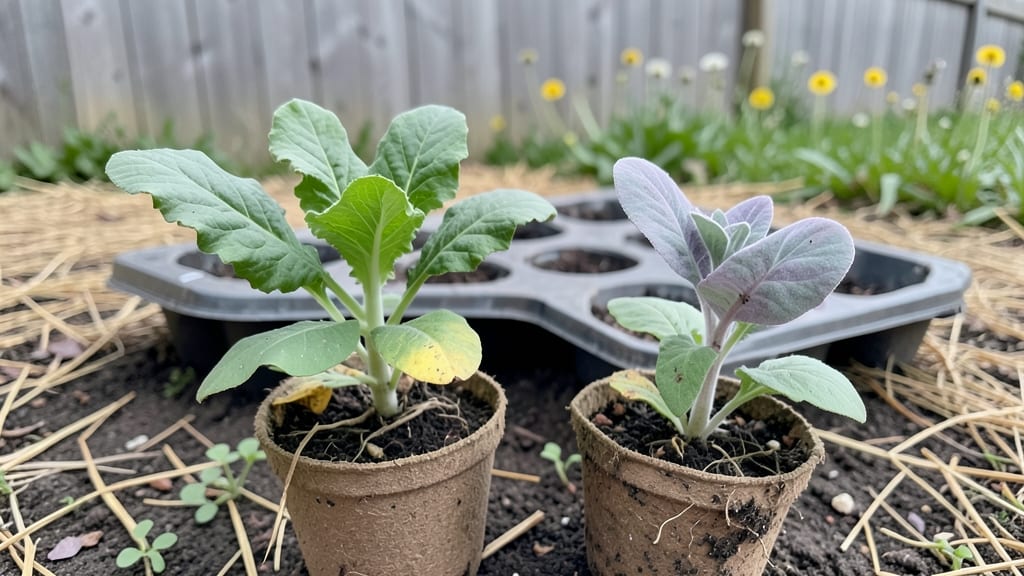
The right time for spring time planting isn’t just about sticking seeds in the dirt—it’s about catching that perfect window when soil warms, frost retreats, and plants wake up hungry. 🌱 I’ve learned the hard way that planting too early means sad, wilted seedlings, while... waiting too long risks bolting or stunted growth.
The difference between a thriving garden and a frustrating one often comes down to knowing exactly when to start each crop.
Cool-season crops like lettuce and peas can go in as soon as the soil is workable, often 4-6 weeks before your last frost date, while warm-season plants like tomatoes and peppers need to wait until nighttime temperatures stay above 50°F consistently.
Your local frost dates and microclimate matter more than general rules—so check a zone map and observe your own yard’s patterns. A simple soil thermometer ($10 at any garden center) becomes your best friend here.
When you nail the timing, you’ll see seedlings emerge within 7-14 days with vibrant green leaves, not the leggy, yellowing messes that happen when conditions are off. The payoff isn’t just pretty plants—it’s bigger harvests, fewer pests, and less stress as the season progresses.
Think of it as setting your garden up for success from day one.
This works for everything from backyard plots to container gardens—just adjust quantities and container sizes. The key is paying attention to your local climate and acting when the stars align. Let’s get those seeds in the ground at the right moment!
The Science Behind Planting Seasons
Springtime planting isn’t just about tossing seeds into the dirt and hoping for the best—it’s a finely tuned dance between biology, climate, and soil science. Understanding why plants thrive (or fail) when planted in spring reveals the hidden rules of nature.
Here’s a breakdown of the key factors that make timing everything.
Seeds are picky—they won’t sprout until the soil warms up to their ideal range. Most spring crops (like tomatoes, peppers, and beans) need soil temps between 60°F and 85°F (15°C–29°C) to germinate.
Why? Because cooler soil slows enzyme activity, delaying the breakdown of stored nutrients in the seed. If you plant too early, seeds may rot in cold, damp soil instead of sprouting.
💡 Pro Tip: Use a soil thermometer to check temps before planting. For cold-sensitive crops, wait until the last frost date (or use row covers to warm the soil faster).
Frost is the silent killer of young plants. While some hardy veggies (like peas or spinach) can handle light frosts, tender seedlings (tomatoes, cucumbers, basil) will crisp in temps below 32°F (0°C).
Spring planting timing accounts for average frost dates—but weather is unpredictable. A late frost can wipe out weeks of growth overnight.
🌡️ Key Factor: The 10-day average of low temps rising above freezing is your green light. Check your USDA Plant Hardiness Zone for local frost risks.
Spring soil is often soggy from winter rains, which can suffocate seeds and trigger fungal diseases like damping-off. But too-dry soil in early spring can also prevent seeds from absorbing water. The ideal balance? Warm soil + consistent moisture—this activates beneficial microbes that help roots establish.
🔥 Actionable Fix: Test soil moisture by squeezing a handful—it should hold together but not drip. If it’s too wet, amend with compost to improve drainage.
Plants are light-sensitive. As daylight hours increase in spring, they produce more auxin (a growth hormone) and enter rapid growth mode. But if you plant too early, short days + cold nights can stunt seedlings or trigger bolting (premature flowering in veggies like lettuce).
🎯 Timing Hack: For leafy greens (spinach, kale), plant in early spring when days are still short. For fruiting plants (tomatoes, squash), wait until after the summer solstice for optimal growth.
Understanding these factors lets you outsmart Mother Nature—not just follow a calendar. Next up: How to Adjust for Your Climate.
Fixing Common Planting Pitfalls
Spring planting can feel like a high-stakes game of chess—one wrong move, and your garden’s potential wilts before it even sprouts. But don’t stress! Most issues have simple, actionable fixes. Below, we’ve mapped the most frequent problems to their solutions, so you can turn setbacks into thriving greenery. 🌱✨
Fix: Loosen, amend, and test before planting.
- 🔪 Dig deep: Use a garden fork or tiller to break up compacted soil to at least 6–8 inches deep. This improves root penetration and water absorption.
- 🌱 Boost nutrients: Mix in compost (2–3 inches) or aged manure for organic matter. For quick fixes, add a balanced fertilizer (10-10-10) or bone meal for phosphorus-rich soil.
- 📊 Test your soil: A simple pH test kit ($10–$15) tells you if your soil is too acidic or alkaline. Adjust with lime (to raise pH) or sulfur (to lower it) if needed.
Prevention tip: 💡 Mulch after planting (2–3 inches of straw or wood chips) to lock in moisture and prevent future compaction.
Fix: Sync planting with frost dates and seed packet guidelines.
- ⏰ Check frost dates: Use the USDA Plant Hardiness Zone Map to find your last frost date. Most cool-season crops (like lettuce or peas) can go in 2–4 weeks before frost, while warm-season crops (tomatoes, peppers) need soil temps above 60°F.
- 📅 Follow seed timing: Seed packets list days to maturity—count backward from your first expected frost to avoid rushed harvests.
- 🌱 Extend seasons: Use row covers or cold frames to protect early plants from late frosts.
Prevention tip: ✨ Plant succession crops (like radishes or beans) every 2–3 weeks to ensure a continuous harvest.
Fix: Master the 1-inch rule and adjust for soil type.
- 💧 Water deeply but infrequently: Most plants need 1 inch of water per week (including rainfall). Use a rain gauge or tuna can to measure.
- 🌱 Check soil moisture: Stick your finger 1 inch deep—if it’s dry, water. If soggy, wait 1–2 days to avoid root rot.
- 🔥 Fix drainage issues: Amend heavy clay soil with sand or perlite, or plant in raised beds to prevent waterlogging.
Prevention tip: 🎯 Water in the morning to reduce evaporation and fungal diseases.
Fix: Prevent with cultural controls and act fast if spotted.
- 🐛 Stop pests early:
- Handpick slugs/snails (use beer traps or copper tape).
- Spray neem oil (diluted) for aphids, mites, or fungal issues like powdery mildew.
- Encourage predators: Plant marigolds (repel nematodes) or dill (attracts ladybugs).
- 🍄 Treat diseases:
- Prune infected leaves immediately and dispose of them.
- Space plants properly (3–6 inches apart) for airflow.
- Use copper fungicide for blight or rust on tomatoes/peppers.
Prevention tip: 💡 Rotate crops yearly to break pest/disease cycles.
Fix: Optimize moisture, temperature, and depth. - 💧 Keep seeds moist (not soggy): Use a spray bottle to mist soil, then cover with plastic wrap until sprouts appear. - 🌡️ Control warmth: Most seeds need 60–75°F soil.
Use a seedling heat mat ($15–$25) if your basement is too cold. - 🔍 Check depth: Plant seeds 2–3x their width deep (shallow for tiny seeds like lettuce, deeper for beans). - 🔥 Test seed viability: Soak seeds in warm water—if they sink, they’re likely good.
Old seeds? Try soaking in hydrogen peroxide (3%) for 5 minutes to boost germination.
Prevention tip: ✨ Store seeds in a cool, dry place (like the fridge) to extend their lifespan.
Fix: Thin seedlings and plan spacing before planting. - ✂️ Thin seedlings: Use scissors (not pull) to avoid disturbing roots.
Aim for: - Carrots/radishes: 1–2 inches apart - Lettuce: 6–12 inches apart - Tomatoes: 18–24 inches apart - 📏 Plan ahead: Check seed packet spacing guidelines and sketch a garden layout to avoid future chaos. - 🌱 Interplant smartly: Pair fast growers (radishes) with slow growers (carrots) to maximize space.
Prevention tip: 🎯 Use square-foot gardening for small spaces—just divide your bed into a grid and follow a spacing chart!
Fix: Protect and adapt with low-tech solutions. - 🧊 Shield from frost: Cover plants with frost cloth or old bedsheets when temps drop below 32°F. - 🔥 Beat heat stress: Provide shade cloth (30–50% coverage) for delicate crops like spinach. - 🌧️ Handle rain delays: If soil is waterlogged, skip watering and wait for it to dry.
For dry spells, water deeply every 2–3 days instead of daily shallow doses.
Prevention tip: 💡 Choose heat-tolerant varieties (like ‘Heatmaster’ tomatoes or ‘Malabar’ spinach) for your climate.
Frequently asked questions about spring planting
What’s the best way to prepare soil before spring planting?
Start by removing weeds and debris, then loosen the top 6–8 inches of soil with a garden fork or tiller. Mix in 2–3 inches of compost to improve fertility and drainage. Test soil pH (aim for 6.0–7.0) and adjust with lime or sulfur if needed. Mulch after planting to retain moisture and prevent weeds.
How do I know when it’s safe to plant warm-season crops?
Wait until soil temperatures reach 60°F (15°C) consistently and nighttime lows stay above 50°F (10°C). Check your local last frost date, but also monitor weather forecasts—late frosts can still damage tender seedlings. Use a soil thermometer for accuracy.
Can I plant spring vegetables in containers instead of a garden bed?
Use containers at least 6–12 inches deep with drainage holes. Choose compact varieties like ‘Bush Beans’ or ‘Cherry Tomatoes’ and ensure pots get 6–8 hours of sunlight daily. Water frequently (containers dry out faster) and use lightweight potting mix designed for vegetables.
What should I do if my seedlings look leggy and weak?
Leggy seedlings usually mean they’re reaching for light. Move them to a sunnier spot immediately and avoid overcrowding. If they’ve already stretched, bury them deeper (up to the first true leaves) to encourage stronger roots. Use grow lights (12–16 hours/day) if natural light is insufficient.
How can I extend my spring planting season for late crops?
Use row covers, cold frames, or mini greenhouses to protect plants from late frosts. For heat-sensitive crops, provide afternoon shade with 30–50% shade cloth. Succession planting (sowing new seeds every 2–3 weeks) ensures continuous harvests as the season progresses.