
Lawn
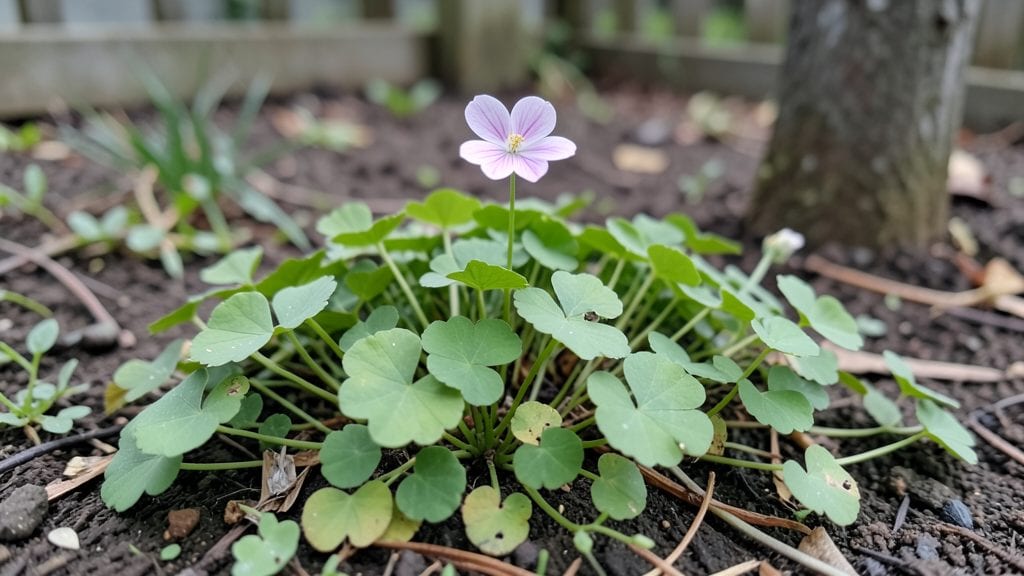
Growing sour grass plant (Oxalis spp.) is the secret to year-round green perfection that even forgetful gardeners can pull off. 🌱 I’ve had mine thrive for years with almost no effort—just the right spot and a little patience.
The clover-like leaves stay lush through winter, and the pop of purple or yellow flowers feels like a surprise every spring.
The key is mimicking its natural habitat: bright, indirect light (like an east-facing window) and well-draining soil that stays slightly moist but never soggy. Most people overwater, which causes those dreaded yellow leaves—just let the top inch dry out between waterings.
Propagation is foolproof too: divide clumps in spring or scatter seeds on top of damp soil.
You’ll end up with a plant that’s practically indestructible, filling your space with vibrant foliage and occasional blooms. The edible varieties even add a tangy kick to salads (though most growers keep them purely decorative). Once established, it’s a self-sustaining green machine that outlasts fussy houseplants by years.
Perfect for small spaces, offices, or sunny patios—this plant adapts to indoor or outdoor conditions as long as you keep it happy. Let’s get yours growing strong!
📚 In This Guide
- What you need
- Instructions
- Tips and common mistakes
- Wrapping up and next steps
What you need
- ● Sour Grass Seeds (Oxalis spp.) – 1–2 lbs (adjust based on lawn size; check seed packet for coverage rates). Opt for Oxalis acetosella (wood sorrel) or Oxalis stricta (common yellow sorrel) for best results.
- ● High-Quality Lawn Soil or Potting Mix – 2–3 cubic yards (if overseeding) or 1–2 bags (for containers). Ensure it’s well-draining and slightly acidic (pH 5.0–6.5).
- ● Garden Gloves – A pair to protect your hands from sharp seed packets and soil.
- ○ Broadcast Spreader – Handheld or walk-behind (for even seed distribution). Optional but highly recommended for large areas.
- ● Watering Can or Hose with Adjustable Nozzle – A gentle mist setting is ideal for seeds.
- ● Lawn Rake or Hand Fork – Fine-toothed for light soil aeration before planting.
- ○ Mulch or Straw – 1–2 inches (optional but helps retain moisture and suppress weeds).
- ● Soil pH Test Kit – To confirm acidity levels before planting. Adjust with sulfur if needed.
- ● Organic Fertilizer (Low-Nitrogen) – Balanced 10-10-10 or compost to avoid overfeeding sour grass.
- ● Shade Cloth – If your lawn gets intense afternoon sun (sour grass prefers partial shade).
- ● Container or Raised Bed – For small spaces or testing before full lawn planting.
- ● Weed Barrier Fabric – To prevent invasive grasses from crowding out your sour grass.
Step-by-Step instructions for cultivating sour grass plant
Here’s how to grow this striking, low-maintenance plant with lush foliage that thrives indoors.
🪴 Step 1: Select the Right Container and Soil Mix
The sour grass plant thrives in well-draining soil, so start with a 6-8 inch diameter pot that has drainage holes. I use a blend of 2 parts potting mix and 1 part perlite for aeration—this prevents root rot while mimicking its natural, slightly sandy habitat. Fill the pot to 1 inch below the rim and tap gently to settle the mix without compacting it.
Press a 2-inch deep hole in the center with your finger. The plant’s fibrous roots spread wide, so avoid deep pots—they encourage waterlogging. A terra cotta pot works best because it breathes, helping excess moisture evaporate naturally.
☀️ Step 2: Plant and Position for Optimal Light
Remove the sour grass plant from its nursery pot and gently loosen the roots if they’re circling. Place it in the prepared hole, ensuring the crown sits just above the soil line—burying it too deep suffocates the plant. Firm the soil around the base with your fingers to eliminate air pockets.
Position the plant in bright, indirect light—think east or west-facing windows. Direct sunlight scorches its delicate leaves, while too little light causes leggy growth. If your space lacks natural light, supplement with a grow light 12-14 inches above for 12 hours daily. You’ll see vibrant, upright growth within 2-3 weeks if light conditions are ideal.
💧 Step 3: Water and Maintain Humidity
Water the sour grass plant only when the top inch of soil feels dry—overwatering is the fastest way to kill it. Stick your finger into the soil; if it’s damp, wait another day. When watering, soak the soil until water drains from the bottom holes, then empty the saucer to prevent soggy roots.
Mist the leaves 2-3 times weekly or place the pot on a tray of pebbles with shallow water to increase humidity. The plant’s native habitat is tropical, so it appreciates moisture in the air. Wipe leaves with a damp cloth monthly to remove dust—this ensures maximum photosynthesis and keeps the foliage looking fresh.
✂️ Step 4: Prune and Fertilize for Lush Growth
Trim leggy stems back by one-third in early spring to encourage bushier growth. Use clean, sharp scissors to make cuts just above a leaf node. Avoid pruning in winter, as the plant enters a natural dormant phase. Deadhead spent flowers to redirect energy into foliage rather than seed production.
Feed the plant every 6 weeks during spring and summer with a balanced liquid fertilizer diluted to half strength. Skip fertilizer in fall and winter—this mimics its seasonal rest period. You’ll notice new growth within 2-3 weeks after fertilizing, with leaves staying vibrant and glossy.
🌿 Step 5: Monitor and Adjust for Year-Round Perfection
Check the plant’s leaves weekly for signs of stress: yellowing indicates overwatering, while brown tips mean low humidity. Rotate the pot quarter-turn weekly to prevent uneven growth toward light sources. If pests like spider mites appear, wipe leaves with a neem oil solution—this organic treatment works fast without harming the plant.
In winter, reduce watering to every 10-14 days and move the plant away from cold drafts or heating vents. With consistent care, your sour grass plant will reward you with year-round lushness, proving that even minimal effort yields perfect results.
Tips & tricks for perfect sour grass plant cultivation
A few subtle adjustments can transform your sour grass plant from merely surviving to thriving with vibrant, lush foliage all year.
Soil Mix Secrets: The 2:1 ratio of potting mix to perlite is non-negotiable for this plant's delicate roots. I've found that adding a handful of orchid bark to the mix enhances aeration even further—this mimics its natural sandy habitat while preventing compaction. When pressing that 2-inch hole in Step 1, use your thumb to create a loose, airy pocket rather than compacting the soil. The roots will appreciate the extra breathing room as they establish themselves.
Light Positioning Strategy: In Step 2, when positioning your plant, pay special attention to the angle of the light source. The ideal spot should provide bright, indirect light that gently grazes the leaves—think of it like positioning a canvas to catch soft morning sunlight. If you notice leaves stretching toward one window, rotate the pot quarter-turn weekly as instructed, but also consider moving the plant itself to a different window every few weeks to ensure even growth all around.
Watering Technique Mastery: The "top inch dry" rule in Step 3 is your golden standard, but here's the pro tip: use a moisture meter for the first few weeks to calibrate your finger's sensitivity. Different homes have varying humidity levels, and your finger might not always be accurate. Also, always water in the morning—this gives any excess moisture time to evaporate before nightfall, reducing the risk of fungal issues that can develop in damp conditions overnight.
Fertilizer Timing Precision: When feeding your plant every 6 weeks during spring and summer, I recommend setting calendar reminders for these feedings—consistency is key. But here's what nobody tells you: always dilute that liquid fertilizer to half strength, and consider alternating between a balanced formula and one slightly higher in nitrogen during active growth phases. The plant will reward you with noticeably greener leaves within those 2-3 weeks after fertilizing, as mentioned in Step 4.
Pro Tips for Sour Grass Plant
- A few subtle adjustments can transform your sour grass plant from merely surviving to thriving with vibrant, lush foliage all year.
- Soil Mix Secrets: The 2:1 ratio of potting mix to perlite is non-negotiable for this plant's delicate roots.
- Light Positioning Strategy: In Step 2, when positioning your plant, pay special attention to the angle of the light source.
Frequently asked questions
Got questions about growing and maintaining sour grass? You’re not alone! Here are some of the most common queries—plus straightforward answers to help you keep your lawn lush and low-maintenance.
What’s the best time of year to plant sour grass?
Sour grass thrives in cool seasons, so aim to plant in early spring (March–April) or late summer (August–September). Avoid extreme heat or frost—it prefers moderate temps (50–75°F). For year-round green, overseed in fall if your climate allows!
How often should I water sour grass?
Water deeply 2–3 times per week (about 1–1.5 inches total) during establishment. Once mature, it’s drought-tolerant—water once a week (or less in rainy climates). Morning watering prevents fungal issues. Pro tip: Let the soil dry slightly between waterings to avoid root rot!
Does sour grass need frequent mowing?
Nope! Mow every 3–4 weeks (or when it reaches 3–4 inches tall). Set your mower to 2–3 inches—taller grass shades roots, reducing weeds and moisture loss. Skip the bagging; clippings act as natural fertilizer!
What’s a good alternative if sour grass isn’t available?
If sour grass isn’t in stock, try buffalo grass (ultra-drought-tolerant) or fine fescue (shade-friendly). For warm climates, zoysia grass is another low-maintenance pick. Check local nurseries for climate-matched options!
How do I deal with pests or weeds in sour grass?
Sour grass is naturally pest-resistant, but grubs or chinch bugs can appear. Treat with neem oil or milky spore (for grubs). For weeds, hand-pull or spot-treat with vinegar-based herbicide (avoid systemic chemicals—sour grass is sensitive!). Prevention? Healthy soil = happy grass!
Still stumped? Drop your question in the comments—we’re happy to help you grow the perfect low-maintenance lawn!
Wrapping up and next steps
Growing sour grass (or Oxalis spp.) is a rewarding journey that brings vibrant, low-maintenance beauty to your space—whether it’s a sunny patio, shady garden, or even indoors! 🌿 With just a few simple steps, you can enjoy lush foliage year-round, proving that easy care doesn’t mean sacrificing style.
Whether you’re a seasoned gardener or a beginner, this resilient plant is your perfect green companion.
Ready to transform your outdoor (or indoor!) oasis? Start by gathering your supplies, then dive in with confidence—your sour grass paradise is just a few clicks (or steps) away! 🌱