
Pests
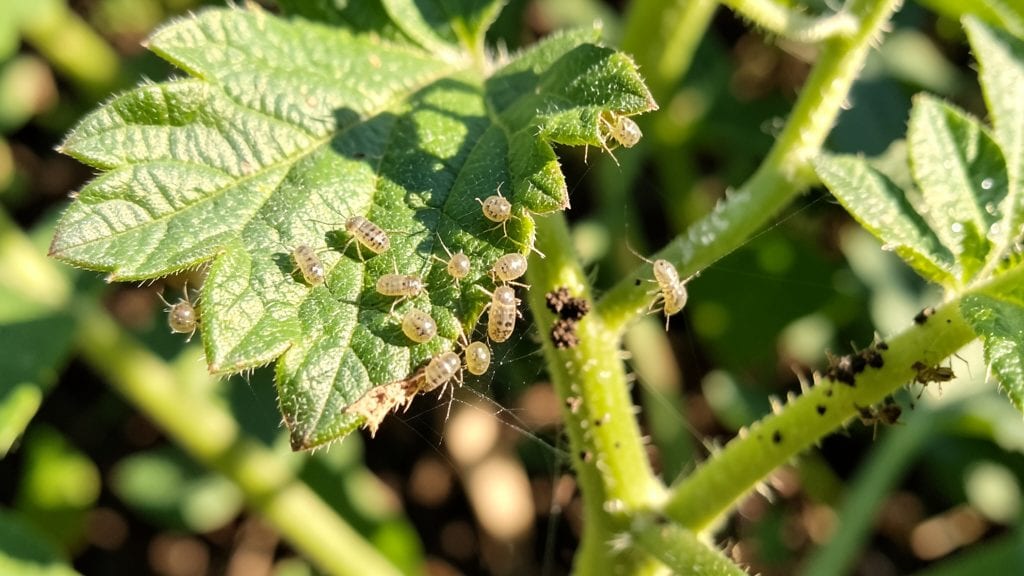
Small bugs on tomato plants can turn a thriving vine into a battleground faster than you'd think. 🌱 I’ve watched aphids strip leaves bare and spider mites turn foliage yellow in just a few days—until I learned the right way to spot them early and act fast.
The key isn’t brute force but understanding their habits and disrupting them before they multiply.
Most of these tiny troublemakers—aphids, whiteflies, or spider mites—love the undersides of leaves where they hide from prying eyes. A quick check with a magnifying glass (or even a phone camera) reveals their telltale signs: sticky residue, webbing, or tiny specks that scatter when you shake the plant.
The sooner you catch them, the easier they are to remove without harming your tomatoes.
You’ll end up with lush, healthy tomato plants that produce fruit instead of feeding pests. A strong spray of water, neem oil, or introducing ladybugs can keep them in check—no harsh chemicals needed. The secret? Consistency. Check your plants weekly, especially during warm, dry spells when bugs thrive.
This works for container gardens, raised beds, or in-ground plots—just adjust the scale. Once you master these techniques, your tomatoes will stay pest-free and productive all season long. Let’s get those plants back in balance!
Root Causes of Tiny Tomato Invaders
Understanding why small bugs infest your tomato plants is the first step to reclaiming your garden. These tiny pests don’t just appear out of nowhere—they’re drawn by specific conditions that make your plants look like an all-you-can-eat buffet. Let’s break down the science behind their unwelcome visits.
Tomato plants under stress—whether from poor spacing, nutrient deficiency, or disease—emit chemical signals that attract pests. When plants are crowded, airflow is restricted, creating a damp, humid microclimate that’s perfect for bugs like aphids, whiteflies, and thrips.
These pests thrive in environments where their natural predators (like ladybugs or lacewings) can’t easily patrol.
- Why it happens: Stress triggers plants to release volatile organic compounds (VOCs), which act like a dinner bell for hungry insects.
- Actionable fix: Space plants 18–24 inches apart, prune suckers to improve airflow, and ensure consistent watering to avoid drought stress.
Young tomato plants and those with soft, tender leaves are prime targets for sap-sucking insects like aphids and spider mites. These bugs insert their mouthparts into plant tissues to feed on phloem sap—a high-protein, low-fiber meal that’s easy to digest.
Weak plants can’t defend themselves as effectively, making them easy prey.
- Why it happens: Sap-sucking insects prefer plants with high nitrogen content (common in young growth) and thin cell walls.
- Actionable fix: Apply a balanced fertilizer (10-10-10) to strengthen plants, and avoid over-fertilizing with nitrogen, which attracts more pests.
Moisture-loving pests like fungus gnats, whiteflies, and even some beetles are drawn to damp soil and foliage. Overwatering or poor drainage creates the ideal breeding ground for these bugs, while fungal diseases (like early blight) can weaken plants, making them more susceptible to secondary insect attacks.
- Why it happens: Excess moisture slows down beneficial microbes in the soil, reducing natural pest resistance, and provides hiding spots for eggs and larvae. - Actionable fix: Water at the base (not overhead) and ensure containers or garden beds have drainage holes.
Mulch with straw or wood chips to regulate soil moisture.
A healthy garden is a balanced one, where natural predators (like ladybugs, parasitic wasps, and ground beetles) keep pest populations in check. If your garden lacks biodiversity—perhaps due to pesticide use or monoculture planting—tiny bugs can multiply unchecked.
- Why it happens: Pesticides kill both pests and their predators, creating a vacuum that pests rush to fill. Monoculture gardens offer fewer hiding spots for beneficial insects. - Actionable fix: Plant companion flowers (like marigolds or dill) to attract predator insects, and avoid broad-spectrum pesticides.
Introduce beneficial nematodes or ladybug larvae for targeted control.
Some pests are seasonal visitors, while others thrive in specific weather conditions.
For example: - Thrips love hot, dry weather and are often blown in by wind. - Whiteflies thrive in warm, humid conditions and can explode in numbers during summer. - Fungus gnats prefer cool, damp environments, especially in greenhouses or shaded areas.
- Why it happens: Weather patterns influence insect life cycles, migration, and reproduction rates.
- Actionable fix: Monitor local pest forecasts, use row covers in early season to block flying insects, and adjust irrigation schedules based on humidity levels.
Old plant debris, fallen leaves, and uneaten fruit harbor pest eggs, larvae, and even adult insects over winter. If you didn’t clean up last season’s tomato garden, you’re essentially rolling out the welcome mat for this year’s infestation.
- Why it happens: Many pests (like hornworms or cutworms) overwinter in soil or plant residue, emerging when new growth appears.
- Actionable fix: Remove all plant debris, rotate crops annually, and till the soil in fall to disrupt overwintering pests.
Pro Tip: 🔍 Early detection is key! Regularly inspect the undersides of leaves (a hotspot for eggs) and new growth—tiny bugs multiply fastest where you least expect them. A handheld magnifying glass or smartphone microscope can reveal early signs before an infestation spirals out of control.
Quick Fixes for Tiny Tomato Plant Invaders
Discovering small bugs nibbling on your tomato plants can feel like a gardening nightmare, but don’t panic—most infestations are manageable with the right approach. Below, we’ve mapped out targeted solutions based on the most common culprits, from aphids and spider mites to flea beetles and whiteflies.
Each fix is designed to be effective, humane, and easy to implement, even for beginners. Plus, we’ll share prevention tips to keep your tomato plants thriving long-term.
Aphids are tiny, soft-bodied insects that cluster on new growth, leaving behind a sticky residue called honeydew. If you spot them, act fast—they multiply quickly and can weaken your plants.
How to Remove Them:
🔥 Blast Them Off Use a strong stream of water from your hose to dislodge aphids from leaves and stems. Repeat every few days until they’re gone. 🍳 Soapy Water Spray Mix 1 tablespoon of mild liquid soap (like Castile soap) with 1 quart of water. Spray the solution directly on the infested areas, focusing on the undersides of leaves where aphids hide. Reapply every 3–4 days. 👨🍳 Introduce Beneficial Insects Ladybugs, lacewings, and parasitic wasps are natural aphid predators. Purchase them from garden centers or attract them by planting companion flowers like marigolds or dill.
Prevention Tips:
💡 Encourage Diversity – Plant herbs like basil or mint near tomatoes; their strong scents repel aphids. 🌡️ Monitor Regularly – Check plants weekly, especially after rain or high humidity, when aphids thrive. ✨ Use Reflective Mulch – Aluminum foil or reflective mulch can disorient aphids and deter them from landing.
Spider mites are so small you might only notice them when they spin fine webs or cause stippling (tiny yellow dots) on leaves. They thrive in dry, hot conditions, making them a common summer pest.
How to Treat Them:
🔥 Increase Humidity Spider mites hate moisture. Mist your plants daily or use a hose-end spray nozzle to create a fine mist over foliage. 🍳 Neem Oil Solution Mix 1 teaspoon of neem oil with 1 quart of water and a drop of dish soap. Spray thoroughly on both leaf surfaces, repeating every 5–7 days. Neem oil disrupts their life cycle and deters future infestations. 👨🍳 Release Predatory Mites Purchase phytoseiulus persimilis (a type of predatory mite) from garden stores. They’ll hunt down spider mites without harming your tomatoes.
Prevention Tips:
💡 Keep Plants Hydrated – Water deeply and consistently to maintain humidity. 🌡️ Prune for Airflow – Avoid overcrowding plants to reduce hiding spots for mites. ✨ Yellow Sticky Traps – Place these near your tomato plants to catch adult mites before they spread.
Flea beetles are tiny, jumping pests that create shot-hole patterns on tomato leaves. While they don’t usually kill plants, heavy infestations can stress them and reduce yields.
How to Eliminate Them:
🔥 Row Covers Use floating row covers (lightweight fabric) to physically block beetles from reaching your plants. Secure them tightly around the base to prevent entry. 🍳 Diatomaceous Earth Sprinkle food-grade diatomaceous earth around the base of your plants and on leaf surfaces. This powdery substance dehydrates the beetles on contact. Reapply after rain. 👨🍳 Handpick and Drop Check plants in the early morning when beetles are sluggish. Drop them into soapy water to kill them instantly.
Prevention Tips:
💡 Plant Trap Crops – Grow radishes or lettuce nearby; flea beetles prefer these over tomatoes. 🌡️ Use Mulch – A thick layer of organic mulch (like straw) can deter beetles from laying eggs. ✨ Interplant with Strong-Scented Herbs – Basil, thyme, and oregano can mask the scent of tomatoes, confusing beetles.
Whiteflies are small, winged insects that flutter away when disturbed, leaving behind honeydew and sooty mold. They’re most active on the undersides of leaves.
How to Control Them:
🔥 Yellow Sticky Cards Hang yellow sticky traps near your plants to catch adult whiteflies. Place them at the height of your tomato foliage. 🍳 Insecticidal Soap Spray a homemade insecticidal soap (2 tablespoons of soap per quart of water) directly on the undersides of leaves where whiteflies hide. Repeat every 3–5 days. 👨🍳 Encourage Parasitic Wasps Release encarsia formosa, a parasitic wasp that lays eggs inside whitefly larvae, killing them from within.
Prevention Tips:
💡 Remove Infested Leaves – Prune heavily infested leaves and dispose of them in sealed bags. 🌡️ Avoid Overwatering – Whiteflies love damp soil; water plants at the base and avoid wetting foliage. ✨ Use Kaolin Clay – Spray kaolin clay (a natural mineral) on leaves to create a barrier that repels whiteflies.
No matter the pest, these universal tips will help keep your tomato plants healthy and bug-free:
- Rotate Crops – Avoid planting tomatoes in the same spot year after year to disrupt pest life cycles.
- Keep Your Garden Clean – Remove weeds and debris where pests hide and breed.
- Inspect New Plants – Always quarantine new additions for 2–3 weeks before introducing them to your garden.
- Healthy Soil = Healthy Plants – Use compost and balanced fertilizer to grow strong, resilient tomatoes that pests avoid.
With these targeted solutions, you’ll be well on your way to a pest-free tomato harvest. Remember, consistency is key—most fixes require multiple applications, but the effort pays off in delicious, thriving tomatoes! 🍅🌿
Frequently asked questions about tiny tomato plant pests
What are the most common tiny bugs found on tomato plants?
Aphids, spider mites, whiteflies, and flea beetles are the usual suspects. Aphids cluster on new growth, while spider mites create fine webbing and leave yellow stipples. Whiteflies flutter away when disturbed, and flea beetles create shot-hole damage on leaves. Check undersides of leaves first—they’re prime hiding spots!
How do I tell if my tomato plants have a serious pest problem?
Look for visible damage like holes in leaves, sticky honeydew residue, or webbing. If you see more than 5-10 bugs per leaf or new growth is curling/yellowing, it’s time to act. Early intervention prevents infestations from spreading—don’t wait until you’re seeing 50+ bugs!
Are there any natural predators that can help control these pests?
Ladybugs, lacewings, and parasitic wasps are your best allies. Release them near infested plants or plant companion flowers like marigolds/dill to attract them naturally. Even a single ladybug can eat 50-100 aphids in a day—no chemicals needed!
Can I use homemade sprays to get rid of these bugs?
Yes! A soapy water spray (1 tbsp mild soap per quart of water) works well for aphids and whiteflies. For spider mites, try neem oil (1 tsp per quart) mixed with a drop of dish soap. Spray undersides of leaves thoroughly and reapply every 3-5 days for best results.
Will these pests harm my tomato fruits?
Most tiny pests focus on leaves, but heavy infestations can stress plants and reduce yields. Aphids and whiteflies produce honeydew that attracts mold, while spider mites can weaken vines. Flea beetles rarely eat fruit, but their leaf damage reduces photosynthesis. Act fast to protect both foliage and harvest!