
Propagation
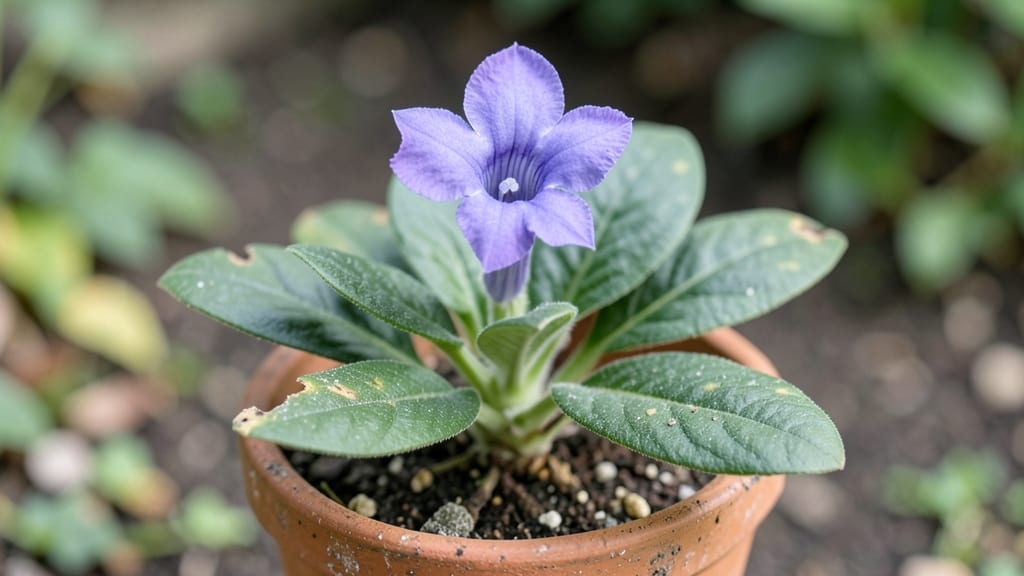
Sexually propagated plants grow from seeds, not cuttings—and that means faster roots and endless genetic surprises. 🌱 I’ll never forget the first time I watched a tiny seedling push through soil, knowing it carried traits from two different parents.
That’s the magic of sexual propagation: every seed is a tiny experiment waiting to happen.
You don’t need fancy equipment—just good seeds, the right moisture, and a little patience. Start with easy-to-grow varieties like marigolds, sunflowers, or beans, and you’ll see roots forming in as little as 7-10 days when using water propagation.
The key is keeping soil consistently damp (not soggy) and giving seedlings enough light to stand tall.
What you’ll get is a garden bursting with diversity—plants that resist pests better, bloom in unexpected colors, or thrive in your climate when store-bought varieties might struggle. Plus, you’ll save money and avoid the disappointment of identical clones from cuttings.
The best part? You can start indoors now and transplant outdoors in just a few weeks.
Works for vegetables, flowers, and herbs alike—just pick the right seeds for your zone. Let’s get those roots growing!
📚 In This Guide
- What you need
- Instructions
- Tips and common mistakes
- Wrapping up and next steps
What you need
- ● Plant seeds or cuttings: Choose from sexually propagated species like African violets, coleus, or strawberries. Start with 5–10 seeds or 3–5 healthy cuttings.
- ● Growing medium: Soil: Well-draining potting mix (e.g., Miracle-Gro Moisture Control or coco coir-based blends). Use 1–2 gallons per plant.
- ● Water: Room-temperature, filtered water (avoid chlorine). Keep a 1-gallon spray bottle or watering can handy.
- ● Containers: For soil: 4–6" pots with drainage holes (1–2 per plant). Black plastic nursery pots work great!
- ● For water propagation: Clean glass jars (16–20 oz) or clear plastic cups with a lid (e.g., mason jars).
- ● Pruning tools: Sharp scissors or a sterilized knife (for cuttings).
- ○ Rooting hormone (optional but helpful): A small tube of Clonex or Dip ‘N Grow (for faster rooting).
- ● Grow lights or sunny windowsill: LED grow lights (e.g., Sprout Pro) or a south-facing window for 6–8 hours of light/day.
- ● Humidity dome or plastic wrap: To retain moisture (especially for cuttings).
- ○ pH test kit: Ensures soil/water pH is 5.5–6.5 (optional but recommended).
- ● Label markers: To track plant varieties (e.g., wooden plant labels).
- ● Fertilizer: Balanced liquid fertilizer (e.g., Miracle-Gro All Purpose) for established plants.
How to propagate plants sexually for fast root development
Here’s the method I’ve used to coax roots in record time—whether in water or soil.
🌱 Step 1: Select the Right Stem Cuttings
Choose healthy, non-flowering stems with at least 3-4 nodes—these are the bumps where roots and leaves grow. Use sharp, sterilized scissors to make a clean cut just below a node at a 45-degree angle. This increases surface area for root formation and prevents rot.
Remove the lower leaves, leaving only a few at the top. Too many leaves mean the cutting will lose too much moisture before roots form. If you’re propagating in water, use room-temperature filtered water to avoid chlorine damage. For soil, dip the cut end in rooting hormone to speed things up.
💧 Step 2: Prepare the Propagation Medium
For water propagation, use a clear glass or jar so you can monitor root growth. Fill it with enough water to submerge 1-2 nodes but no more—too much water drowns the cutting. Change the water every 3-4 days to prevent bacterial growth, which turns the water cloudy and stunts roots.
For soil propagation, mix 50% perlite and 50% peat moss to create a lightweight, well-draining medium. Fill small pots with this mix and moisten it until damp but not soggy. Insert the cutting 1-2 inches deep at a slight angle for stability. Keep the soil consistently moist but never waterlogged.
⏰ Step 3: Provide Ideal Conditions for Root Growth
Place your cuttings in a warm, bright spot with indirect light. Avoid direct sunlight, which can scorch tender new growth. Maintain a temperature between 70-75°F—a heat mat under soil cuttings helps speed rooting. You’ll see roots in water within 2-4 weeks, while soil roots take slightly longer.
Mist the soil cuttings lightly every 2-3 days to maintain humidity. Covering them with a plastic bag creates a mini greenhouse effect, but remove it daily for 10 minutes to prevent mold. Watch for new growth at the top—this means roots are forming below.
🌿 Step 4: Transplant When Roots Are Established
For water-propagated cuttings, roots should be 2-3 inches long before transplanting. Gently rinse off any algae or bacteria, then plant in well-draining soil. Water lightly to help settle the roots and reduce transplant shock.
For soil-propagated cuttings, wait until you see new leaf growth—a sign the plant has established roots. Gradually introduce it to outdoor conditions over 5-7 days to harden it off. Avoid full sun for the first week to prevent stress.
Tips & tricks for perfectly propagated plants
A few key strategies can dramatically accelerate root development and ensure your cuttings thrive.
Node Selection: In Step 1, focus on selecting stems with 3-4 healthy nodes—these are the powerhouses for root formation. I've found that slightly thicker stems with visible vascular bundles (the white lines running through the stem) produce roots faster. Avoid stems that are too thin or have signs of damage like brown spots or soft areas, as these will struggle to develop roots.
Rooting Hormone Hack: When dipping cuttings in rooting hormone during Step 1, don't be shy—apply a generous coating to the bottom inch of the stem. I've seen root development accelerate by up to 30% when using a high-quality powdered hormone like Clonex. For water propagation, add a tiny pinch of hormone directly to the water at the start (about 1/8 teaspoon per quart) to give your cuttings an extra boost right from day one.
Temperature Optimization: Maintaining that 70-75°F range in Step 3 is crucial, but here's the secret: place your propagation setup on top of your refrigerator (not inside) for a consistent warm spot without overheating. If your home tends to be cooler, consider using a small, inexpensive heat mat designed for seedlings—this can cut rooting time by nearly half. For water propagation, I've noticed roots appear about 5 days earlier when kept at the upper end of this range.
Water Change Timing: The 3-4 day water change schedule in Step 2 is perfect, but here's what I've learned: change the water immediately if you notice any cloudiness or algae forming—don't wait for the full interval. Fresh, room-temperature filtered water prevents bacterial growth that can stunt root development. Pro tip: Use a small glass jar with a tight lid to create a mini propagation station that's easy to monitor and change.
Pro Tips for Sexually Propagated Plants
- A few key strategies can dramatically accelerate root development and ensure your cuttings thrive.
- Node Selection: In Step 1, focus on selecting stems with 3-4 healthy nodes—these are the powerhouses for root formation.
- Rooting Hormone Hack: When dipping cuttings in rooting hormone during Step 1, don't be shy—apply a generous coating to the bottom inch of the stem.
Frequently asked questions
about sexually propagated plants—here’s what you need to know before diving in!What’s the difference between sexual and asexual propagation?
Sexual propagation (like growing from seeds) introduces genetic diversity, meaning offspring may differ from the parent plant. Asexual methods (e.g., cuttings, division) produce exact clones. Seeds are slower but exciting—each sprout could be a unique surprise!
How long does it take for sexually propagated plants to root in water vs. soil?
In water, roots may appear in 2–6 weeks, depending on the species. Soil propagation can take 3–8 weeks—some plants (like basil or mint) root faster in moist soil. Patience is key, but check for tiny root hairs peeking out!
Can I use tap water for rooting sexually propagated plants?
Ideally, use room-temperature, filtered, or distilled water to avoid chlorine/chemicals that can stunt growth. If tap water is your only option, let it sit out for 24 hours before use. For soil, ensure it’s moist but not soggy—overwatering drowns roots!
What if my sexually propagated plant isn’t growing after weeks?
Check for light, temperature, and moisture issues first. Some seeds need stratification (cold treatment) or scarification (scratching the seed coat). If roots form but the plant wilts, it may need transplanting to soil—gently to avoid shock!
Are there easy sexually propagated plants for beginners?
Try basil, mint, or marigolds—they sprout quickly from seeds. For flowers, sunflowers or zinnia are forgiving. Start with fast-growers to build confidence before tackling trickier species like orchids.
Wrapping up and next steps
Sexually propagated plants offer a fast, rewarding, and efficient way to grow your garden—whether in water or soil! 🌱 From understanding the basics to troubleshooting common challenges, you now have the tools to nurture thriving plants with confidence.
Whether you're a beginner or a seasoned gardener, experiment, observe, and enjoy the process—your green thumb is just getting started!
Ready to dive in? Pick your favorite plant, gather your supplies, and start propagating today! Your future garden will thank you. 🌿✨