
Propagation
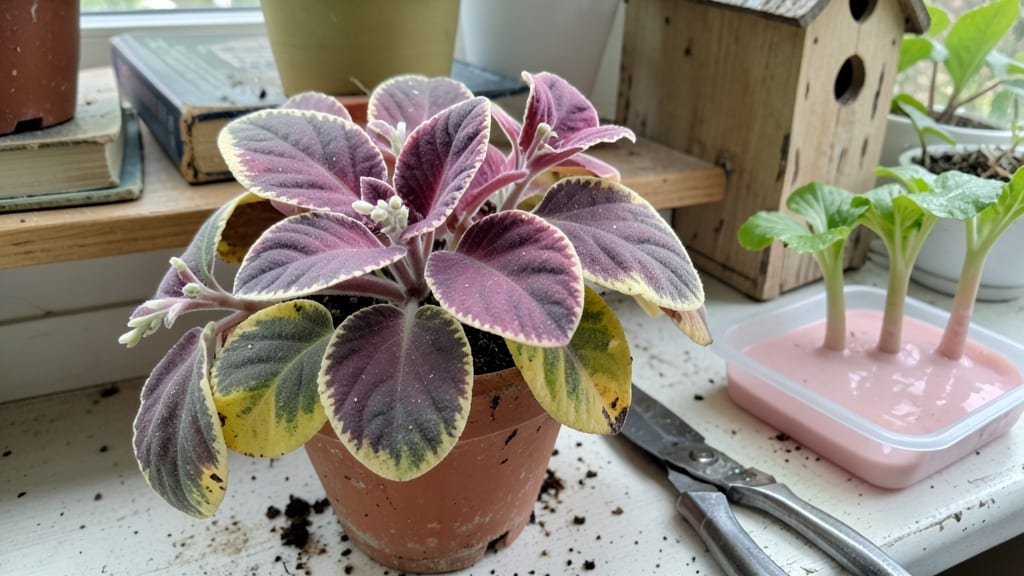
Root propagation plants are the easiest way to multiply your garden without spending a dime—just grab a cutting, stick it in water, and watch roots appear in weeks. 🌱 I’ve propagated everything from pothos to willow trees using this method, and the best part?
You don’t need a green thumb to make it work. The secret lies in choosing the right plants and giving them the right conditions, whether that’s a simple glass of water or a cozy spot in moist soil.
Start with easy-to-root plants like mint, coleus, or ivy—they’ll grow roots in 2-4 weeks with minimal fuss. You’ll need just a few tools: sharp scissors, a clean container, and some water or soil.
The key is cutting stems just below a leaf node, where roots naturally form, and keeping the environment warm and humid. Even if you’ve killed plants before, this method is foolproof for beginners.
Once roots appear, you’ll see thick, white strands reaching into the water or soil—proof that your cutting is thriving. These new plants will grow just like the mother plant, and you’ll end up with lush, identical copies without buying a single new one.
The best part? You can propagate year-round, so there’s no wrong time to start.
Works for indoor plants, houseplants, and even outdoor shrubs—just adjust the setup for light and temperature. Whether you’re filling gaps in your garden or gifting plants to friends, this method delivers instant gratification and long-term rewards. Let’s get those cuttings growing!
📚 In This Guide
- What you need
- Instructions
- Tips and common mistakes
- Wrapping up and next steps
What you need
- ● Healthy parent plant: Choose a non-flowering stem (4–6 inches long) with at least 2–3 leaf nodes.
- ● Sharp pruning shears or scissors: Sterilized to prevent disease (1 pair).
- ○ Rooting hormone (optional but recommended): Powder or gel (small jar).
- ● Water propagation: Clean glass or jar (8–12 oz, transparent).
- ● Room-temperature water (filtered or distilled preferred).
- ● Soil propagation: Well-draining potting mix (e.g., perlite + peat moss blend).
- ● Small pots (3–4 inches in diameter, 2–3 pots).
- ● Plastic bag or humidity dome: To retain moisture (1–2 bags).
- ● Spray bottle: For misting (8 oz).
- ● Grow lights or bright indirect sunlight (for faster growth).
- ● Fertilizer (diluted seaweed or rooting tonic, 1–2 drops).
- ○ Heat mat (for tropical plants, optional).
- ● Labels & markers (to track plant types).
Step-by-Step instructions for root propagation plants
Here's how to propagate four foolproof plants—no special equipment needed.
🌱 Step 1: Select and Prepare the Cuttings
Choose healthy stems with at least 3-4 leaf nodes and no flowers. Use sharp scissors to cut 4-6 inches below a node at a 45-degree angle—this increases surface area for root growth. I always make the cut just above a leaf node where roots will form naturally.
Remove the lower leaves, leaving only the top 2-3 sets to reduce water loss. If the stem is woody, peel away a thin strip of bark 1 inch below the node—this trick encourages faster rooting. For herbaceous stems, just strip the leaves and dip the cut end in water.
💧 Step 2: Root in Water or Soil
For water propagation, fill a clean glass with room-temperature water and place the cutting so only the lower node is submerged. Change the water every 3-5 days to prevent bacteria. You'll see roots in 2-4 weeks—wait until they're 1-2 inches long before transplanting.
For soil propagation, mix the potting mix with perlite (I use a 50/50 ratio) to improve drainage. Dip the cut end in rooting hormone (optional), then plant the cutting 2 inches deep in the mix. Water gently until moisture runs from the bottom of the pot.
☀️ Step 3: Provide Ideal Growing Conditions
Place cuttings in bright, indirect light—direct sun can scorch new growth. Keep the temperature between 65-75°F for best results. If using water, cover the glass with a plastic bag to maintain humidity, but remove it daily for 10 minutes to prevent mold.
For soil-grown cuttings, keep the mix consistently moist but never soggy. You'll know it's right when the top inch feels damp to the touch. Mist the leaves lightly every 2-3 days to maintain humidity without overwatering the soil.
✂️ Step 4: Transplant and Maintain New Plants
Once roots reach 1-2 inches in water or show new growth in soil, it's time to transplant. For water-rooted cuttings, rinse off any white mold that may form on the roots, then plant in potting mix at the same depth they were rooted.
After transplanting, water lightly for the first week and keep the new plants in bright, indirect light for 7-10 days to help them adjust. You'll notice fresh leaves appearing within 2-3 weeks—that's your sign the propagation worked!
Tips & tricks for perfect root propagation plants
A few simple tricks will help you avoid common pitfalls and maximize success with your plant cuttings.
Cutting Technique: When making that 45-degree angle cut in Step 1, use a sharp pair of scissors or pruning shears—dull blades crush the stem and make rooting harder. I like to make the cut just above a leaf node where new growth emerges naturally. For woody stems, that 1-inch strip of bark you peel away should be thin—just enough to expose the cambium layer without damaging the stem. This small detail makes all the difference in how quickly roots form.
Water Propagation Secret: In Step 2, when using water propagation, don't let the cutting sit in direct sunlight—it can cause algae growth in just 3-5 days. I place my glasses on a counter near a window but not in direct sun. Also, change that room-temperature water exactly every 3-5 days to prevent bacteria buildup. The key is keeping it clean and fresh while maintaining that perfect humidity environment.
Temperature Matters: Maintaining that 65-75°F range in Step 3 is crucial, especially if your home tends to get chilly at night. I've found that placing cuttings on top of the fridge works well if your kitchen gets too cool. For water propagation, that daily 10-minute uncovered time prevents mold while still maintaining humidity. If you notice white fuzz forming, increase the uncovered time to 15 minutes.
Transplanting Timing: In Step 4, those 1-2 inch roots are your cue to transplant—but don't rush! I wait until I see at least 3-4 roots that are pencil-thick before moving to soil. For soil-grown cuttings, watch for new growth at the top rather than relying solely on root length. The 7-10 days of bright, indirect light after transplanting helps them establish without shock. You'll notice fresh leaves appearing within 2-3 weeks as a sign everything's working.
Pro Tips for Root Propagation Plants
- A few simple tricks will help you avoid common pitfalls and maximize success with your plant cuttings.
- Cutting Technique: When making that 45-degree angle cut in Step 1, use a sharp pair of scissors or pruning shears—dull blades crush the stem and make rooting harder.
- Water Propagation Secret: In Step 2, when using water propagation, don't let the cutting sit in direct sunlight—it can cause algae growth in just 3-5 days.
Frequently asked questions
Got questions about root propagation?
You’re not alone! Here are answers to the most common concerns—so you can grow confidently with cuttings, whether in water or soil.
What’s the best time of year to take cuttings for root propagation?
The ideal window is late spring or early summer when plants are actively growing. Herbs and succulents thrive in warmer months, while woody plants (like willow or rose) benefit from late winter dormancy breaks. Avoid extreme heat or cold—aim for 60–75°F (15–24°C) for optimal rooting.
How long does it take for roots to form in water vs. soil?
Timelines vary by plant:
- Water: 2–6 weeks (e.g., pothos or mint). Change water every 3–5 days to prevent bacteria.
- Soil: 3–8 weeks (faster for humidity-loving plants like ferns). Keep soil lightly moist—not soggy!
Patience is key! Some tropical plants (like coleus) root in 10 days, while woody stems may take months.
My cutting is rotting—what went wrong?
Rot usually signals overwatering or poor airflow. Fix it by:
- Water: Trim mushy roots, repot in fresh water, and add a rooting hormone (optional).
- Soil: Let the cutting dry slightly between waterings and improve drainage with perlite.
Yellow leaves? It’s often stress—trim damaged foliage to redirect energy to roots.
Can I propagate plants without rooting hormone?
Many plants (like basil, mint, or snake plant) root easily without it. For stubborn cuttings (e.g., orchids or lavender), try:
- Heat: Place cuttings near a warm vent or use a propagation mat.
- Humidity: Cover with a plastic bag (ventilate daily) or use a humidity dome.
- Natural stimulants: Soak cuttings in cinnamon powder or willow water (a DIY rooting tea).
Experiment to find what works for your plant!
Which plants are easiest to propagate from cuttings?
Start with these beginner-friendly picks:
Plant
Method
Time to Root
Pothos (Devil’s Ivy)
Water or soil
2–3 weeks
Mint
Water (fastest!)
1–2 weeks
Coleus
Soil (high humidity)
3–4 weeks
African Violet
Leaf cuttings in soil
4–6 weeks
Pro tip: Succulents (like jade plant) root best in soil—skip water to avoid rot!
Wrapping up and next steps
Root propagation is a game-changer for plant lovers—whether you're a beginner or a seasoned gardener! With the right techniques and a little patience, you can easily multiply your favorite plants in water or soil.
The key is choosing the right species, providing consistent care, and watching those roots grow with excitement.
Ready to expand your green thumb? Start with one of the no-fail plants listed above, then experiment with others as you gain confidence. Happy propagating—your future garden (and wallet!) will thank you! 🌱✨