
Planting
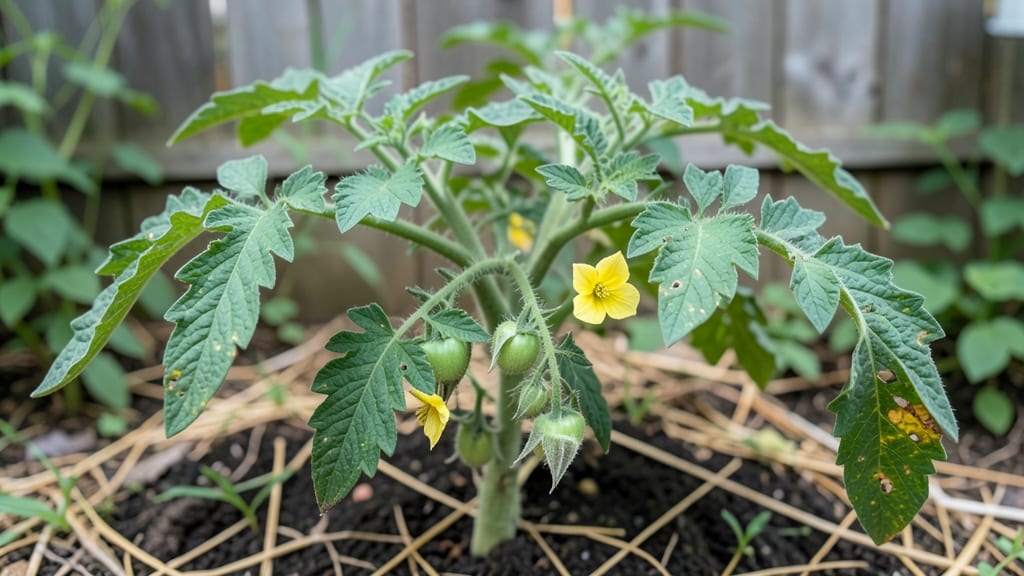
Growing husk tomato plants in containers turns your balcony into a tropical harvest. 🌿 These sun-loving vines produce not just fruits but edible husks too, and they’re surprisingly easy to manage once you know the basics.
I’ve grown them for three summers now, and my 5-gallon pots never fail to deliver—even in small spaces.
The key is matching their needs to your setup: 6+ hours of direct sun daily, well-draining soil with compost, and containers at least 12 inches deep. They’re self-pollinating but love a gentle shake to boost fruit set. Water consistently but avoid soggy roots—these plants hate wet feet.
By midsummer, you’ll be harvesting both the bright orange fruits and crisp, tangy husks—great for salads or stir-fries. The vines grow 6-8 feet long, so trellising keeps them contained and improves airflow. With proper care, one plant can yield enough for a family of four all season.
They thrive in zones 8-11 but can be grown as annuals in cooler areas. The biggest challenge? Keeping pests like aphids off the tender new growth. A weekly spray of neem oil usually does the trick. Ready to grow your own edible vines?
📚 In This Guide
- What you need
- Instructions
- Tips and common mistakes
- Wrapping up and next steps
What you need
- ● Husk tomato seeds or seedlings: Choose disease-resistant varieties like Physalis ixocarpa or Physalis peruviana. Buy 3–5 seeds or 1–2 healthy seedlings to ensure a good yield.
- ● Containers (if growing in pots): Use 5-gallon or larger containers with drainage holes. Opt for fabric grow bags or ceramic pots for better aeration.
- ● Well-draining potting mix: A blend of 60% compost, 30% coconut coir or peat moss, and 10% perlite or vermiculite works best. Avoid heavy garden soil.
- ● Balanced fertilizer (5-10-5 or 10-10-10): Use 1 tablespoon per plant at planting and every 4–6 weeks during the growing season.
- ● Organic mulch: Straw or shredded leaves to retain moisture and suppress weeds.
- ● Garden trowel or small shovel for transplanting.
- ● Watering can or hose with a gentle spray nozzle (husk tomatoes dislike soggy roots!).
- ● Pruning shears to trim leggy vines and encourage bushier growth.
- ○ Support stakes or trellis (optional): Husk tomatoes can grow 3–5 feet tall—use bamboo stakes or a small cage for stability.
- ○ pH test kit (optional): Aim for a soil pH of 6.0–7.0 for optimal growth.
- ● Full sun exposure: At least 6–8 hours of direct sunlight daily—husk tomatoes are sun-worshippers!
- ● Warmth: Plant after the last frost when soil temps are above 60°F (15°C).
- ● Patience: Husk tomatoes take 80–100 days to mature, so plan accordingly!
Step-by-step instructions for growing husk tomatoes in containers
Here's how to coax these sun-loving vines into producing their signature papery husks and sweet fruit.
🌱 Step 1: Select the Right Container and Soil Mix
Choose a 5-gallon container with drainage holes—husk tomatoes need room for roots to spread. The wider the pot, the better, as these vines can sprawl 3-6 feet if left unchecked. Fill the bottom 2 inches with gravel or broken pottery to prevent soil compaction and improve drainage.
Use a well-draining potting mix (never garden soil) blended with 20% perlite or vermiculite. This prevents the roots from sitting in soggy conditions, which husk tomatoes absolutely hate. I always add a slow-release fertilizer (like 10-10-10) to the mix—these plants are heavy feeders and will reward you with bigger husks and fruit.
☀️ Step 2: Plant and Position for Maximum Sunlight
Dig a hole in the center of the pot, place the husk tomato plant so the top of the root ball sits 1 inch below the soil line, and backfill with the potting mix. Gently press the soil around the roots to remove air pockets, but don’t compact it—husk tomatoes need loose, aerated soil to thrive.
Position your container in a spot that gets full sun (6-8 hours daily). Husk tomatoes are sun-drivers, and without enough light, their vines will stretch weakly, and the husks won’t form properly. If you’re growing in a patio or balcony, rotate the pot a quarter turn weekly so the plant grows evenly toward the light.
💧 Step 3: Water Deeply and Maintain Consistent Moisture
Water deeply until it drains from the bottom of the pot—this encourages roots to grow downward instead of sitting at the surface. Let the top 1-2 inches of soil dry out between waterings; husk tomatoes are drought-tolerant once established but hate soggy roots. Overwatering is the fastest way to invite disease, especially in containers where drainage is critical.
I like to water in the early morning so the foliage dries quickly. Avoid wetting the leaves, as this can lead to fungal issues. If you notice the leaves curling or wilting slightly in the afternoon, that’s normal—husk tomatoes are succulent and store water well. But if the soil feels bone-dry, it’s time to water again.
✂️ Step 4: Prune and Train for Better Airflow and Fruit Production
Pinch off the first few sets of leaves near the base to encourage stronger growth higher up on the vine. This redirects energy toward producing more robust stems and larger husks. Once the plant reaches 12-18 inches tall, start pruning side shoots (suckers) that grow in the leaf axils—remove them up to 6 inches down the main stem to prevent overcrowding.
Train the main vine along a trellis or sturdy stake to keep it vertical. Husk tomatoes produce heavy fruit, and unsupported vines can snap under the weight. If you’re growing in a container, a tomato cage works well, but I prefer a flexible spiral tie to guide the vine gently. This also improves airflow, reducing the risk of disease.
🌿 Step 5: Fertilize and Harvest for Continued Growth
Feed your husk tomato plant with a balanced liquid fertilizer (10-10-10) every 2-3 weeks once flowers appear. These plants are prolific producers, and they’ll signal when they need more nutrients—look for smaller leaves or slower growth as a cue to fertilize. Stop fertilizing 4-6 weeks before your first frost to let the plant harden off.
Harvest husks when they’re fully dried and papery, usually in late summer to early fall. The fruit inside should be firm and ripe. Twist gently to remove the husk—don’t pull, or you might damage the vine. With proper care, one plant can produce dozens of husks over the season, making it a rewarding container crop.
Tips & tricks for perfect husk tomato growth in containers
These sun-loving vines reward patience with unique husks and sweet fruit—here's how to maximize your container garden's potential.
Container Size Matters: While a 5-gallon container works, consider going up to 7 gallons if possible. The extra space gives roots room to establish before the sprawling vines reach their 3-6 foot potential. I've seen plants in smaller containers produce fewer husks because their roots get cramped—think of it like giving your plant a spacious apartment rather than a shoebox.
Soil Science: The 20% perlite or vermiculite ratio is non-negotiable for container growth. I've tried skipping this and ended up with soggy roots and fungal issues within weeks. If you're short on perlite, coconut coir works too—just make sure your mix drains water in under 10 minutes when poured into a container. The goal is to mimic the well-draining conditions husk tomatoes crave in their native habitats.
Sunlight Strategy: Those 6-8 hours of daily sun are critical, but quality matters more than quantity. If your balcony gets intense afternoon sun, consider moving the container to a slightly shaded spot during peak hours (1-4pm). The leaves will thank you with fewer sunburn spots and more energy for producing those signature husks. I've noticed plants in direct afternoon sun often develop yellowing leaves while those with filtered light stay vibrant.
Pruning Pro Tip: When pinching those first few leaves near the base, aim to leave about 4-6 inches of stem below each pinch. This creates stronger growth points higher up where the plant can focus its energy on producing husks rather than leafy growth. I start pruning side shoots when they're about 2 inches long—smaller ones are harder to spot and can lead to overcrowding you won't notice until it's too late.
Pro Tips for Husk Tomato Plant
- These sun-loving vines reward patience with unique husks and sweet fruit—here's how to maximize your container garden's potential.
- Container Size Matters: While a 5-gallon container works, consider going up to 7 gallons if possible.
- Soil Science: The 20% perlite or vermiculite ratio is non-negotiable for container growth.
Frequently asked questions
Got questions about growing husk tomatoes? You’re not alone!
Here are answers to the most common queries from gardeners—whether you’re a beginner or a seasoned container gardener.
How long does it take for husk tomato plants to bear fruit?
Husk tomatoes (also called jewel box tomatoes) typically take 70–90 days from transplanting to produce fruit, depending on your climate. Start seeds indoors 6–8 weeks before the last frost to give them a head start. In warmer regions, you might see fruit in as little as 60 days if planted early. Patience pays off—these vines reward you with bursting flavor!
Can husk tomatoes grow in containers without support?
While husk tomatoes are vining plants (they can grow 6–10 feet tall!), they can thrive in containers—with support. Use a 5-gallon pot or larger (at least 12 inches deep) and provide a trellis, cage, or stakes to guide their growth. Without support, vines may sprawl, leading to fewer fruits or disease risks. Pro tip: Prune suckers to encourage upward growth and better air circulation.
Are husk tomatoes frost-tolerant? How do I protect them from cold?
Husk tomatoes are tender perennials but not frost-hardy. They thrive in USDA Zones 9–11 and may die back in temps below 40°F (4°C). To extend the season:
If your husk tomatoes stay green or fail to ripen, check these common issues:
If your area is too cool or short on growing days, try these container-friendly tomato alternatives with similar flavors:
In colder zones, treat them as annuals and start fresh each spring.
Why aren’t my husk tomatoes ripening? Troubleshooting tips.
Pro tip: Pick green tomatoes when they’re firm and slightly colored—they’ll ripen indoors in 1–2 weeks!
What’s a good alternative if husk tomatoes don’t thrive in my climate?
All thrive in containers and offer bursting flavor with less fuss!
Wrapping up and next steps
Growing husk tomato plants in containers is a rewarding way to enjoy vibrant blooms and unique, edible husks—all while embracing a low-maintenance, sun-loving plant! 🌞 With the right soil, sunlight, and a little patience, these vines will thrive even in small spaces.
Whether you’re a beginner or a seasoned gardener, their resilience and beauty make them a fantastic addition to patios, balconies, or windowsills.
Ready to dive in? Start by gathering your supplies, pick a sunny spot, and plant your seeds or seedlings—your container garden awaits! Happy growing! 🌱