
Vegetables
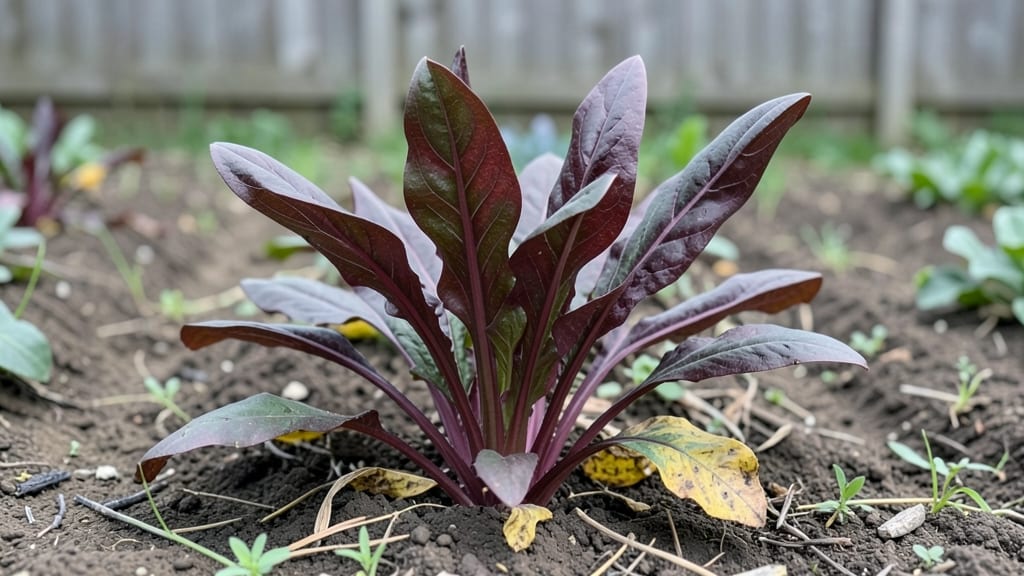
Growing red romaine lettuce plants that keep producing through summer heat and winter chills is the secret to a salad bowl that never runs dry. 🌿 I finally cracked the code after years of bolting lettuce by mastering three simple pruning tricks that reset growth and keep plants happy year-round.
The key starts with rich, well-draining soil mixed with compost—romaine thrives when its roots stay cool and moist. Plant in partial shade during summer to prevent bolting, and give it at least 6 hours of morning sun daily.
Most gardeners overwater, but romaine prefers consistent moisture rather than soggy soil, which leads to rot.
By pruning the outer leaves at the base every 2-3 weeks, you trigger bushier regrowth and extend harvests for months longer than store-bought plants. The first cut yields tender leaves, while later prunes keep the plant compact and productive.
Even in winter, a row cover adds 10-15°F protection for continuous harvests.
This method works in containers, raised beds, or in-ground gardens—just adjust spacing to 12-18 inches apart for full-sized plants. The same principles apply whether you're growing in Zone 3 or Zone 10, though summer shade becomes critical in hotter climates. Let's get those red romaine plants thriving!
📚 In This Guide
- What you need
- Instructions
- Tips and common mistakes
- Wrapping up and next steps
What you need
- ● Seeds: Red Romaine lettuce seeds (e.g., 'Red Sails' or 'Outredgeous') – 1 packet (500+ seeds) for a full harvest.
- ● Potting mix or garden soil: Lightweight, well-draining mix (e.g., 50% potting soil + 50% perlite/compost). 1 cubic yard for in-ground planting or 10-gallon bags for containers.
- ○ Containers (optional but handy): 5–7 gallon pots with drainage holes (or a 4’x8’ raised bed for larger batches).
- ● Fertilizer: Balanced organic fertilizer (10-10-10) or compost tea for nutrient-rich soil.
- ● Mulch: Straw or shredded leaves to retain moisture and suppress weeds.
- ● Hand trowel – For planting seeds and transplanting seedlings.
- ● Pruning shears – Sharp, clean pair for strategic trimming (sterilize with rubbing alcohol between uses!).
- ● Watering can or hose with nozzle – Fine mist setting to avoid damaging delicate leaves.
- ● Garden gloves – Protect your hands from soil and thorns (yes, romaine can have tiny ones!).
- ○ pH testing kit (optional) – Aim for 6.0–7.0 pH for optimal growth.
- ● Sunlight: 6–8 hours of direct sun daily (partial shade in hot climates).
- ● Watering routine: Keep soil consistently moist (1–1.5 inches per week; more in heat).
- ● Temperature: Cool season crop—ideal germination at 45–75°F (avoid planting in frost or extreme heat).
- ● Patience: 6–8 weeks to maturity (but you’ll harvest leaves as early as 30 days!).
Instructions for growing a productive red romaine lettuce plant
Here's how to coax bold, crisp red romaine harvests all year by mastering the art of strategic pruning.
🌱 Step 1: Plant in Well-Draining Soil With Full Sun Exposure
Start by selecting a location with 6-8 hours of direct sunlight daily—romaine thrives in bright conditions but wilts in scorching afternoon heat. Amend your garden bed with 2-3 inches of compost mixed into the top 6 inches of soil to improve drainage and nutrient availability. Romaine hates soggy roots, so if your soil stays damp for more than 24 hours after rain, raise the planting area in a mound or use raised beds.
Sow seeds ¼ inch deep in rows 12 inches apart, spacing individual plants 8-12 inches apart to allow for leaf expansion. Thin seedlings to the strongest plant per spot once they reach 2 inches tall, using clean scissors to avoid disturbing roots. You'll know you've done it right when the remaining plants have vibrant red stems and deep green leaves with no gaps between them.
💧 Step 2: Maintain Consistent Moisture and Fertilize Lightly
Water deeply 2-3 times weekly, aiming for 1 inch of water per week, and always water at the base to keep leaves dry. Wet foliage invites fungal diseases like downy mildew, which turns romaine leaves yellow and slimy. Use a drip irrigation system or soaker hose to deliver water slowly at soil level—this prevents runoff and ensures even moisture penetration.
Feed plants with a balanced liquid fertilizer (10-10-10) every 3-4 weeks during active growth. I dilute it to half-strength to avoid burning tender leaves. Stop fertilizing 4-6 weeks before your first harvest—you want the plant to focus on flavor and crispness, not rapid leaf production. You'll notice the difference immediately: leaves stay tender and sweet rather than tough and bitter.
✂️ Step 3: Apply the First Strategic Prune for Bushier Growth
When your romaine reaches 6-8 inches tall, it's time for the first prune. Using clean, sharp pruning shears, snip off the outer ⅓ of the plant, cutting just above a set of leaves. This encourages lateral branching and prevents the plant from bolting (going to seed) prematurely. The goal is to trigger bushier growth by removing the terminal bud that would otherwise signal the plant to mature.
Harvest these outer leaves immediately—they're perfectly tender and ready to eat. Store them in the fridge wrapped in a damp paper towel to maintain crispness. After pruning, water deeply to help the plant recover. Within 7-10 days, you'll see new side shoots emerging from the base. This is your plant responding exactly as intended, putting energy into producing more edible growth rather than flowering.
🌿 Step 4: Continue Pruning Every 3-4 Weeks for Year-Round Harvests
The key to continuous harvests lies in repeating the pruning process every 3-4 weeks. Each time, cut back the outer leaves just above a set of inner leaves, leaving the center growth intact. This method ensures the plant never gets stressed enough to bolt, and you'll enjoy fresh romaine for 6-8 months in ideal conditions. I always prune on a cloudy day or in the evening to reduce stress on the plant.
Watch for signs of stress: if leaves start to yellow or the plant grows leggy, it's either too hot or not getting enough water. In summer, provide afternoon shade with a lightweight row cover to protect the plant from intense sunlight. You'll know your pruning strategy is working when the plant consistently produces new growth within 10-14 days after each cut, maintaining its vibrant red color and crisp texture.
⏰ Step 5: Time Your Final Harvest Before Bolting
As days grow shorter in late summer or early fall, your romaine will naturally slow growth. This is the signal to harvest more aggressively. Cut the entire plant 1-2 inches above the soil when outer leaves reach 8-10 inches long. The remaining stub will often regrow for a final small harvest, but don't expect the same size as previous cuts. Compost the old plant to return nutrients to the soil.
To extend the season, start a new batch of seeds indoors 8-10 weeks before your first frost date. Use grow lights to provide 14-16 hours of light daily and transplant outdoors after the last frost. With this method, you'll enjoy fresh red romaine from early spring through late fall, with minimal gaps in supply. The secret is consistency: regular pruning, proper watering, and attentive care keep the plant productive longer than most gardeners expect.
Tips & tricks for perfect red romaine lettuce growth
Mastering these key strategies will transform your romaine from a one-time harvest to a year-round salad staple.
Soil Preparation Secret: The 6-8 hours of sunlight requirement is non-negotiable, but what most gardeners miss is the soil's moisture balance. After amending with 2-3 inches of compost, create small mounds or use raised beds if your area stays damp beyond 24 hours. Romaine roots need that quick drainage to prevent rot—think of it as giving your plants a dry basement rather than a swampy foundation. I've seen plants double their yield just by addressing this one factor.
Thinning Technique: When thinning seedlings to that 8-12 inch spacing at 2 inches tall, don't just yank them out—use clean scissors to snip at soil level. This prevents disturbing the roots of your remaining plants, which is crucial for their early development. The goal is to leave them with vibrant red stems and no gaps between leaves. I've learned this the hard way after seeing plants struggle when their roots were damaged during thinning.
Pruning Precision: That first strategic prune at 6-8 inches tall isn't just about cutting leaves—it's about removing the outer ⅓ while leaving the terminal bud intact. This might seem counterintuitive, but it triggers bushier growth by forcing the plant to redirect its energy. After pruning, you'll notice new side shoots emerge within 7-10 days, which is your plant's way of saying "thank you" for the strategic intervention. The key is to always cut just above a set of leaves, not at a random point.
Season Extension Strategy: For that final harvest before bolting, wait until outer leaves reach 8-10 inches long—this ensures maximum leaf development. The remaining stub often produces one last small harvest, but don't count on it being substantial. To truly extend your season, start new seeds indoors 8-10 weeks before your first frost date using grow lights for 14-16 hours daily. This indoor head start gives you a jump on spring planting and ensures continuous harvests when outdoor conditions become challenging.
Pro Tips for Red Romaine Plant
- Mastering these key strategies will transform your romaine from a one-time harvest to a year-round salad staple.
- Soil Preparation Secret: The 6-8 hours of sunlight requirement is non-negotiable, but what most gardeners miss is the soil's moisture balance.
- Thinning Technique: When thinning seedlings to that 8-12 inch spacing at 2 inches tall, don't just yank them out—use clean scissors to snip at soil level.
Frequently asked questions
Got questions about growing your own red romaine lettuce? You’re not alone!
Here are answers to the most common queries from gardeners—whether you’re a newbie or a seasoned green thumb.
How long does it take for red romaine to grow from seed?
Red romaine typically takes 45–60 days to reach maturity from seed, depending on your climate and growing conditions. For faster harvests, opt for transplants (ready in ~30 days). Cool weather (50–70°F) speeds growth, while extreme heat can slow it down. Pruning also encourages bushier, faster regrowth!
Can I grow red romaine in winter?
Red romaine is a cool-season crop, thriving in temps as low as 20°F (with frost protection). For winter harvests:
The key is strategic cutting! Trim outer leaves 1–2 inches above the base when they’re 6–8 inches tall, leaving the inner leaves intact. Avoid cutting more than ⅓ of the plant at once—this encourages bushier regrowth. For year-round harvests, prune every 2–3 weeks during the growing season. Learn more about timing in our pruning guide! Bitter taste or bolting (premature flowering) usually happens due to:
If red romaine isn’t your thing, try these similar leafy greens for salads and sandwiches:
Pro tip: Try succession planting every 2–3 weeks for a continuous supply!
What’s the best way to prune red romaine for regrowth?
Why is my red romaine turning bitter or bolting?
Pro tip: If bolting starts, harvest the lower leaves first—they’re still tender!
What’s a good substitute if I can’t grow red romaine?
For year-round options, consider kale or swiss chard—they handle heat and cold better!
Wrapping up and next steps
Growing your own red romaine lettuce is a rewarding journey that brings fresh, crisp greens straight to your plate—no matter the season! By mastering the art of strategic pruning, you’ll enjoy a year-round harvest with minimal effort.
Whether you’re a seasoned gardener or just starting, this plant thrives with the right care, and your kitchen will thank you for it.
Ready to take the next step? Experiment with companion plants like herbs or radishes to maximize your garden space, or try growing a few extra plants to share with neighbors. Happy harvesting! 🌱✨