
Pruning
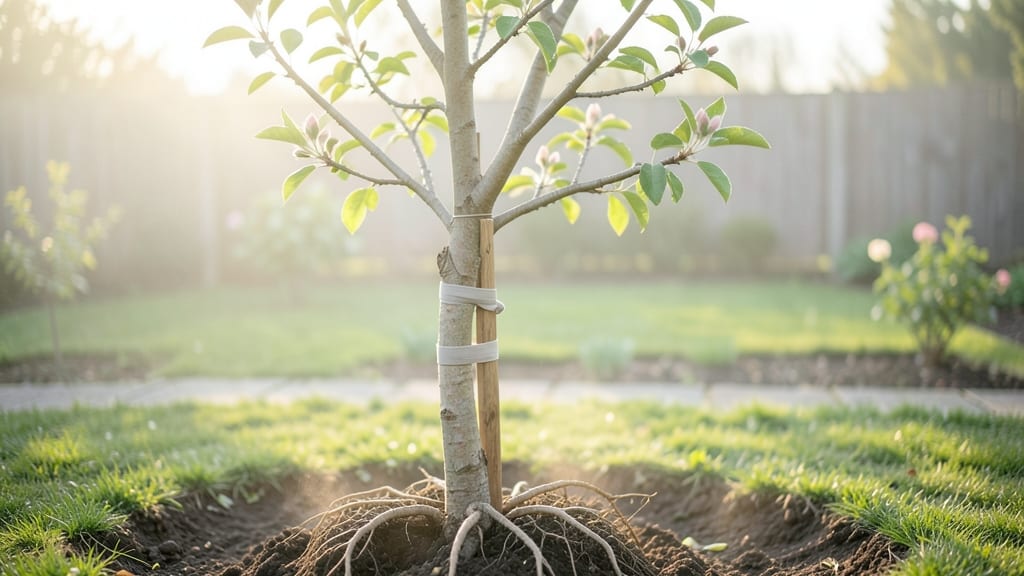
Supporting a newly planted tree isn't just about staking—it's about giving its roots the confidence to spread deep and wide. I've learned that the right setup makes all the difference between a tree that thrives and one that struggles against wind or drought.
The stakes, the watering schedule, and even how you mulch can turn a fragile sapling into a sturdy young plant within its first growing season.
You'll need just a few supplies: two sturdy tree stakes, soft ties (never wire), mulch, and a watering can or hose with a gentle spray. The stakes should be placed diagonally from the trunk, not touching it, to let the tree sway slightly—this actually strengthens its stem.
Watering should be deep, not frequent, to encourage roots to grow downward where they'll find lasting moisture.
Within a few months, you'll see the difference: a tree that stands tall on its own, with roots reaching out beyond the planting hole. The stakes can come out after the first year if the tree is holding steady, but the watering routine should continue for at least two seasons.
The payoff? A tree that's already on its way to becoming a long-term part of your landscape.
Works for everything from young fruit trees to ornamental varieties—just adjust the staking time based on your tree's growth rate. Here's how to get it right the first time.
📚 In This Guide
- What you need
- Instructions
- Tips and common mistakes
- Wrapping up and next steps
What you need
- ● Tree stake: 1–2 wooden or metal stakes (1–2 inches in diameter, 4–6 feet tall). Opt for untreated wood or galvanized metal to prevent rot or corrosion.
- ● Tree tie: 1–2 soft, wide straps (2–3 inches wide) made of recycled fabric or rubber to avoid girdling the trunk.
- ● Mulch: 2–3 inches of organic mulch (wood chips, straw, or shredded bark) to retain moisture and regulate soil temperature.
- ○ Watering can or hose: A soaker hose or drip irrigation system (optional but ideal for deep watering).
- ● Pruning shears: Small, sharp shears to trim any damaged branches or roots.
- ● Gloves and knee pads: For comfort and protection while working.
- ● Soil conditioner: Compost or mycorrhizal fungi to boost root growth.
- ● Tree guard: A protective barrier (e.g., tree collar) to prevent lawnmower or animal damage.
- ● Moisture meter: To check soil hydration levels (especially in dry climates).
- ● Stake driver or mallet: For securing stakes without damaging the tree.
Step-by-Step instructions for supporting a newly planted tree
Here’s how to give your young tree the best start with proper staking and watering.
Choose and Install the Right Support System
Start by selecting two sturdy stakes—typically 4-6 feet tall—made of wood or metal. Drive them into the ground 6-12 inches from the tree’s trunk, on opposite sides, about 12-18 inches away from the base. The stakes should slope slightly toward each other at the top to create a natural triangle of support. Use a T-post driver or mallet to avoid damaging the tree’s roots as you insert them.
Next, attach a tree support strap or rubber tree tie to the stakes, looping it around the tree’s trunk. Position the strap 6-12 inches above the ground, where the tree’s main stem begins to thicken. Tighten it just enough to hold the tree upright—you should be able to fit two fingers between the strap and the trunk. This prevents too much pressure, which can girdle the bark as the tree grows.
Water Deeply Immediately After Planting
After installing the support, water the tree deeply and slowly—about 10-15 gallons for a small tree—until the soil 6-12 inches deep is thoroughly moistened. You’ll know it’s enough when water begins to pool on the surface. This encourages roots to grow downward rather than staying shallow. Use a soaker hose or drip irrigation to avoid disturbing the soil around the base.
Check the soil every 2-3 days during the first 2-3 weeks—it should feel damp but not soggy. Overwatering can suffocate roots, while underwatering stresses the tree. If the top 1-2 inches of soil feel dry, water again. Mulch the base with 2-3 inches of organic mulch (like wood chips) to retain moisture and regulate soil temperature.
Monitor and Adjust Support Over Time
After 6-12 months, the tree’s root system will strengthen, and the stakes can be removed. Before doing so, gently wiggle the tree to test stability—if it resists movement, it’s ready. If the stakes are still needed, loosen the straps every few months to allow the trunk to flex slightly. This helps the tree develop stronger structural support naturally.
Watch for signs of stress, like leaning away from the stakes or trunk damage from the strap. If the tree starts to grow around the strap, remove it immediately to prevent girdling. Keep the support system in place until the tree can stand firmly on its own, usually by its second or third growing season.
Maintain a Consistent Watering Routine
Once the tree is staked, establish a weekly watering schedule during dry spells. A mature tree may need 15-20 gallons per week, depending on the species and climate. Water slowly and deeply, focusing on the outer edges of the root zone—about 12-18 inches from the trunk. This encourages roots to spread outward rather than staying concentrated near the base.
Reduce watering slightly in fall and winter, as trees enter dormancy and require less moisture. Always water in the early morning to minimize evaporation and fungal risks. If the tree’s leaves yellow or wilt, it may be overwatered or underwatered—adjust accordingly. A healthy tree will show vibrant green foliage and steady growth.
Tips & tricks for supporting a newly planted tree
A few simple adjustments can make all the difference in helping your tree grow strong and healthy.
Stake Placement Matters: When installing your stakes in Step 1, make sure they're positioned just far enough from the trunk to allow room for root growth—about 12-18 inches away. The stakes should slope inward at the top to create a natural triangle of support. This positioning prevents the stakes from interfering with the tree's natural movement and root expansion as it grows.
Check Strap Tightness Regularly: In Step 1, when you attach the support strap, it's crucial to check it every few months. The strap should be tight enough to hold the tree upright but loose enough to allow two fingers to fit between it and the trunk. If the strap becomes too tight over time, it can girdle the bark and restrict the tree's growth. This simple check can save your tree from potential damage.
Watering Technique is Key: During Step 2, when you're watering deeply, focus on the outer edges of the root zone—about 12-18 inches from the trunk. This encourages roots to spread outward rather than staying concentrated near the base. Using a soaker hose or drip irrigation helps prevent soil disturbance and ensures even water distribution. Remember, the goal is to moisten the soil 6-12 inches deep, not just the surface.
Monitor for Seasonal Adjustments: In Step 4, as you establish your watering routine, remember that seasonal changes affect water needs. While you might need 15-20 gallons per week during dry spells, reduce watering slightly in fall and winter when the tree enters dormancy. Always water in the early morning to minimize evaporation and fungal risks. This seasonal awareness helps maintain consistent moisture without overwatering.
Pro Tips for Support A Newly Planted Tree
- A few simple adjustments can make all the difference in helping your tree grow strong and healthy.
- Stake Placement Matters: When installing your stakes in Step 1, make sure they're positioned just far enough from the trunk to allow room for root growth—about 12-18 inches away.
- Check Strap Tightness Regularly: In Step 1, when you attach the support strap, it's crucial to check it every few months.
Frequently asked questions
Got questions about keeping your newly planted tree thriving?
Here are some of the most common concerns—plus quick, actionable answers to help you avoid stress and grow a healthy tree.
How long should I support a newly planted tree with stakes?
Most trees need staking for 1–2 years to stabilize roots while they establish. Remove stakes too soon (especially in windy areas), and you risk uprooting; leave them too long, and the tree may become dependent. Check the trunk’s girth—once it’s 1–2 inches thick, it’s likely sturdy enough to stand alone.
When is the best time to plant a tree for maximum survival?
The fall (September–November) is ideal in most climates—cool temps reduce stress, and roots grow without competing with summer heat. Spring (March–May) is a close second, but avoid planting in extreme heat or frost. Pro tip: Water deeply 1–2 weeks before planting to prep the soil!
How often should I water a newly planted tree?
Water 2–3 times per week for the first year (more in extreme heat/drought). Aim for 1–1.5 gallons per inch of trunk diameter—soak the root zone (not just the surface!) to encourage deep growth. Mulch heavily (2–4 inches) to retain moisture. Signs of overwatering: yellowing leaves, moldy soil.
What if my tree leans or sways after staking?
A slight lean (10–15 degrees) is normal, but if it’s extreme or the tree wobbles, adjust the stakes or add a third stake diagonally for support. Loosen the ties every few months—they should be snug but not cutting into the bark. If the trunk cracks or splits, contact an arborist immediately.
Can I use alternatives to traditional tree stakes (like bamboo or metal)?
Yes! Bamboo stakes are eco-friendly and flexible, while metal or plastic stakes last longer but may conduct heat (avoid in hot climates). For small trees, plant near a fence or wall for natural support. Just ensure whatever you use is at least 1/3 the tree’s height and buried 1/3 of its length for stability.
What should I do if my tree’s leaves turn brown or wilt?
Brown/wilted leaves often signal underwatering, overwatering, or root stress. Check the soil—it should be moist but not soggy. If the problem persists, inspect for pests (aphids, borers) or disease (fungus). Trim damaged leaves and adjust watering; if severe, consult a local nursery for soil amendments or treatments.
Wrapping up and next steps
Supporting a newly planted tree is all about giving it the best start—sturdy stakes, consistent watering, and patience will pay off with a thriving, resilient tree. 🌱 Remember, proper care now means fewer headaches later, and your green investment will reward you for years to come!
Ready to take action? Start by checking your tree’s stakes and watering schedule this weekend—your future shade (or fruit!) will thank you. Happy planting! 🌳✨