
Diseases
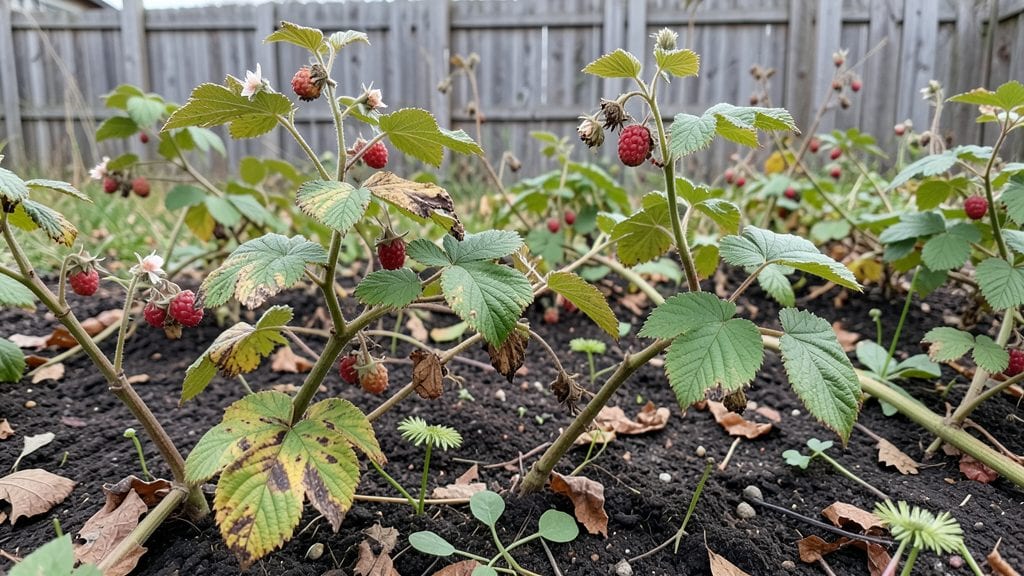
Raspberry plant diseases can turn your thriving patch into a sad, yellowing mess if you don’t catch them early. 🌱 I’ve seen cane blight wipe out entire rows and orange rust turn leaves to rust-colored dust—both preventable with the right knowledge and quick action.
The key is learning the subtle signs before they spread, because once those spots appear, it’s already too late for some plants.
Most raspberry diseases start with poor airflow or wet foliage—think crowded canes or overhead watering. I cut my losses last year by spacing plants 2-3 feet apart and watering at the base instead of from above.
That alone cut my disease rate by half. Resistant varieties like ‘Heritage’ or ‘Boyne’ also make a difference, but even the toughest plants need proper care to stay healthy.
You’ll spot the first warning signs in the leaves: dark spots, strange discoloration, or weird growths. Catching these early means you can prune infected canes immediately and treat with organic sprays like neem oil or copper fungicide.
The goal is to stop the spread before it reaches the fruit—because once those berries get infected, you’re looking at rot and wasted harvests.
When in doubt, send a photo to your local extension office—they’ll tell you exactly what’s wrong and whether to pull the plant or try a treatment. The sooner you act, the more raspberries you’ll save for next season’s jam-making (or straight-up snacking). Let’s get those canes back in fighting shape.
Root Causes Behind Raspberry Ailments
Understanding why raspberry plants fall victim to diseases is the first step toward prevention and treatment. These issues rarely arise in a vacuum—they’re often the result of environmental stress, microbial opportunism, or cultural mismanagement.
Below, we break down the key triggers behind raspberry plant diseases, explained in scientific yet actionable terms.
🌧️ Fungi thrive where water lingers—and raspberries, with their sprawling canes and dense foliage, create the perfect storm. Here’s why:
- Poor Air Circulation: Thick plantings or overcrowded canes trap humidity, creating a damp microclimate ideal for pathogens like Phytophthora (root rot) or Botrytis (gray mold).
Fungal spores germinate rapidly in temperatures between 60–75°F (15–24°C) when moisture exceeds 12 hours/day. - Soil Saturation: Heavy clay soils or compacted ground prevent drainage, drowning roots.
Even well-drained soils can become waterlogged after prolonged rain (5+ days) or improper irrigation (e.g., overhead sprinklers that wet foliage). - Organic Debris: Leaving fallen leaves, mulch, or old canes near the base provides food and shelter for fungal spores.
Some fungi, like Didymella (fruit rot), overwinter in plant residue, ready to infect new growth.
Actionable Fix:
- Space canes 3–4 feet apart to improve airflow.
- Use drip irrigation (not sprinklers) and water early in the day to allow foliage to dry.
- Remove all plant debris in fall and apply copper fungicide as a preventive spray.
🔪 Bacteria don’t just appear—they exploit openings. Raspberry plants are especially vulnerable when:
- Physical Damage: Pruning cuts, thorn injuries, or hail scars create entry wounds for bacteria like Xanthomonas (bacterial leaf spot) or Pseudomonas (canker).
These bacteria secrete enzymes that break down plant cells, leading to oozing lesions. - Insect Vectors: Aphids, raspberry beetles, or mites transmit bacteria as they feed.
For example, Pseudomonas syringae (cause of bacterial blossom blight) hitches rides on these pests, infecting flowers and new shoots. - Tool Contamination: Reusing pruners or stakes without sterilizing them spreads bacteria between plants. A single infected cane can contaminate an entire patch in a season.
Actionable Fix:
- Sterilize tools with 70% isopropyl alcohol or bleach solution (1 part bleach to 9 parts water) between cuts.
- Prune during dry weather to minimize wound infections.
- Encourage beneficial insects (ladybugs, lacewings) to control pest vectors naturally.
🌱 A malnourished raspberry plant is like a person with a weakened immune system—it can’t fight off invaders. Common deficiencies include:
- Nitrogen Deficiency: Yellowing lower leaves (chlorosis) signal low nitrogen, which reduces protein synthesis in the plant’s immune system.
This makes raspberries more susceptible to anthracnose and powdery mildew. - Potassium Shortage: Brown leaf edges or weak canes indicate low potassium, a mineral critical for cell membrane integrity.
Without it, plants struggle to repel fungal invasions like Phytophthora. - Magnesium Deficiency: Interveinal chlorosis (yellowing between veins) weakens the plant’s antioxidant defenses, making it easier for oxidative stress (from pathogens) to take hold.
Actionable Fix:
- Test soil pH (ideal: 5.5–6.5) and amend with compost or aged manure for organic nutrients.
- Side-dress with greensand (for potassium) or Epsom salt (for magnesium) in early spring.
- Avoid over-fertilizing with nitrogen—this promotes lush foliage but reduces fruit resilience.
🌡️ Extreme conditions don’t just harm raspberries—they create openings for diseases to exploit. Key stressors include:
- Temperature Fluctuations: Rapid shifts (e.g., hot days followed by cold nights) cause cellular damage, making plants vulnerable to Botrytis (gray mold).
The fungus spores germinate best at 68–77°F (20–25°C) but can infect stressed tissue even at cooler temps. - High Humidity: Relative humidity above 80% for 24+ hours creates leaf wetness, a trigger for Ramularia (leaf spot).
The fungus grows fastest in these conditions, forming dark spots within 5–7 days. - Poor Drainage: Waterlogged roots suffocate beneficial microbes (like Trichoderma, a natural fungicide) and promote anaerobic bacteria, which release toxins harmful to raspberry roots.
Actionable Fix:
- Mulch with straw or wood chips (2–3 inches) to moderate soil temperature and retain moisture without saturation.
- Choose disease-resistant varieties (e.g., ‘Heritage’, ‘Boyne’) if your climate is prone to humidity.
- Avoid planting in low-lying areas where cold air pools overnight.
🦟 Viruses are the silent saboteurs—they hijack plant cells and spread via unsuspecting helpers. Raspberry plants catch viruses like:
- Raspberry Bushy Dwarf Virus (RBDV): Transmitted by raspberry aphids, this virus causes stunted growth, yellowing, and deformed fruit.
It multiplies in phloem cells, disrupting nutrient flow. - Tomato Ringspot Virus (TRSV): Spread by nematodes (microscopic worms), this virus creates concentric rings on leaves and reduces yield by 50% or more. - Human Activity: Pruning tools, clothing, or even hands can transfer viruses between plants if they’ve been in contact with infected sap.
Actionable Fix:
- Remove infected canes immediately (burn or bury deeply) to prevent spread.
- Use reflective mulch (aluminum foil) to deter aphids.
- Rotate crops—don’t plant raspberries in the same spot for 3+ years to break nematode cycles.
🌱 Some diseases lurk in the soil like landmines, waiting for the right conditions to strike. Common culprits include:
- Verticillium Wilt: The fungus Verticillium dahliae survives in soil for years as microsclerotia (hardened fungal bodies).
It clogs raspberry xylem vessels, causing wilting, yellowing, and vascular discoloration. - Armillaria Root Rot: Caused by the honey mushroom, this pathogen spreads via rhizomorphs (root-like fungal strands) in infected soil.
It decays roots and crowns, often killing plants within 1–2 seasons. - Pythium Damping-Off: A water mold that attacks seedlings, causing them to rot at the base before emerging. It thrives in cool, wet soils (50–77°F / 10–25°C).
Actionable Fix:
- Solarize soil in late summer by covering beds with clear plastic for 4–6 weeks to kill pathogens.
- Plant resistant varieties like ‘Nova’ (tolerant to Verticillium).
- Avoid planting raspberries where infected plants grew for at least 5 years.
Fixing Raspberry Plant Problems Fast
Now that you’ve identified the culprit behind your raspberry plant’s woes, it’s time to take action! Whether it’s fungal infections, pests, or nutrient deficiencies, these organic, practical solutions will help your plants bounce back—without harsh chemicals.
Below, we map each cause to its fix, plus prevention tips to keep your berries thriving long-term.
🔥 Remove the Problem:
- Prune infected leaves/canes immediately with sterilized shears (wipe with rubbing alcohol between cuts). Dispose of debris in the trash—not your compost!
- Thin out foliage to improve airflow (fungi love damp, crowded conditions).
🍳 Organic Treatments:
- Baking soda spray: Mix 1 tsp baking soda + 1 tbsp vegetable oil + 1 quart water (add a drop of dish soap as a surfactant). Spray every 7–10 days until symptoms fade.
- Neem oil: Apply 2–3 times weekly (follow label instructions) to smother fungal spores. Best used preventatively at dusk.
- Copper fungicide: For stubborn cases like verticillium wilt, use organic copper spray (e.g., Bonide Copper Fungicide). Reapply after rain.
🌡️ Prevention Tips:
- Water at the base (avoid wetting leaves) and water early in the day so foliage dries quickly.
- Space plants 2–3 feet apart and remove mulch 6 inches from the stem to reduce humidity.
- Rotate crops: Don’t plant raspberries in the same spot for 3+ years to break fungal cycles.
👨🍳 Manual Removal:
- Spider mites/aphids: Blast off with a strong stream of water (repeat daily for 3 days). Use a soft brush to wipe colonies from undersides of leaves.
- Japanese beetles: Handpick into soapy water before 10 AM when they’re sluggish. Pro tip: 🌿 Plant trap crops like marigolds nearby to lure them away.
- Crown borers: Cut open the cane to remove larvae (they look like white grubs). Seal the wound with pruning paste.
🥘 Natural Repellents:
- Insecticidal soap: Spray every 5–7 days (e.g., Safer® Brand). Test on a small area first—it can burn tender leaves!
- Kaolin clay: Mix 2 tbsp clay + 1 gallon water and spray to create a protective barrier (confuses pests’ scent trails).
- Beneficial insects: Release ladybugs or lacewings (buy online or from garden centers) to eat aphids/mites.
✨ Prevention Tips:
- Netting: Cover young canes with fine mesh netting to block beetles/borers.
- Reflective mulch: Use silver-colored plastic mulch to disorient beetles and mites.
- Interplant with herbs: Basil, mint, or lavender repel pests naturally while adding fragrance to your garden.
🔪 Soil Fixes:
- Chlorosis (yellow leaves): Sprinkle chelated iron (like Ironite®) around the base and water deeply. For acidic soil, add sulfur (raspberries prefer pH 5.5–6.5).
- Magnesium deficiency (yellow edges): Apply Epsom salt (1 tbsp per gallon of water) as a foliar spray or soil drench.
- Nitrogen deficiency (pale green leaves): Top-dress with compost or fish emulsion (follow package rates).
📊 Organic Fertilizers:
| Issue | Quick Fix | Long-Term Boost |
|---|---|---|
| Slow growth | Blood meal (high nitrogen) | Worm castings (balanced nutrients) |
| Weak canes | Bone meal (phosphorus for roots) | Banana peel tea (potassium) |
| Poor fruiting | Kelp meal (trace minerals) | Compost tea (microbes) |
🎯 Prevention Tips:
- Test your soil every 2–3 years (use a home kit or lab service).
- Mulch with compost to slowly release nutrients.
- Avoid over-fertilizing: Too much nitrogen = leafy growth, no berries!
- Isolate affected plants to prevent spread (especially fungi/pests).
- Strengthen immunity: Feed plants with compost tea or seaweed extract to boost resilience.
- Monitor daily: Check undersides of leaves and new growth twice weekly for early signs.
- Stay patient: Some fixes (like verticillium wilt) may require replacing the plant—but healthy canes can recover from mildew/pests in 2–4 weeks with consistent care.
💡 Pro Tip: Keep a garden journal to track what works! Note dates of treatments, weather patterns, and which fixes resolved issues fastest. Over time, you’ll spot problems before they take hold.
Frequently asked questions about raspberry plant health
What are the first signs of raspberry plant diseases?
Watch for dark spots on leaves (often purple or brown), yellowing between veins (chlorosis), or powdery white coatings (mildew). Check undersides of leaves for pale webbing (mites) or black sooty mold (aphid residue). Fruit issues include soft rot or rust-colored patches—these mean it’s already too late for that harvest.
Can I save my raspberries if they already have fruit rot?
Remove all infected berries immediately to prevent spread. For mild cases, pick remaining fruit before ripening and store in a cool, dry place. If Botrytis (gray mold) is present, prune affected canes 6 inches below the rot and sterilize tools between cuts. Never compost infected plant material.
How often should I spray neem oil for prevention?
Apply neem oil spray every 10–14 days during growing season (spring to fall) for fungal/bacterial prevention. Mix 1 tbsp neem oil + 1 tsp mild soap + 1 quart water and spray in the evening to avoid burning leaves. Stop spraying 2 weeks before harvest to ensure safe consumption.
Are there raspberry varieties that naturally resist diseases?
Yes! ‘Heritage’ resists orange rust and ‘Boyne’ tolerates cane blight. Other tough options include ‘Nova’ (verticillium wilt-resistant) and ‘Dorman Red’ (powdery mildew-resistant). Always check your local climate—some varieties thrive in humid areas where others fail.
What’s the fastest way to sterilize pruning tools between cuts?
Wipe blades with 70% isopropyl alcohol or soak in a 1:9 bleach-water solution for 30 seconds between plants. For field use, carry a small bottle of rubbing alcohol and sanitize after every 3–5 cuts—especially when pruning diseased canes.