
Companion Plants
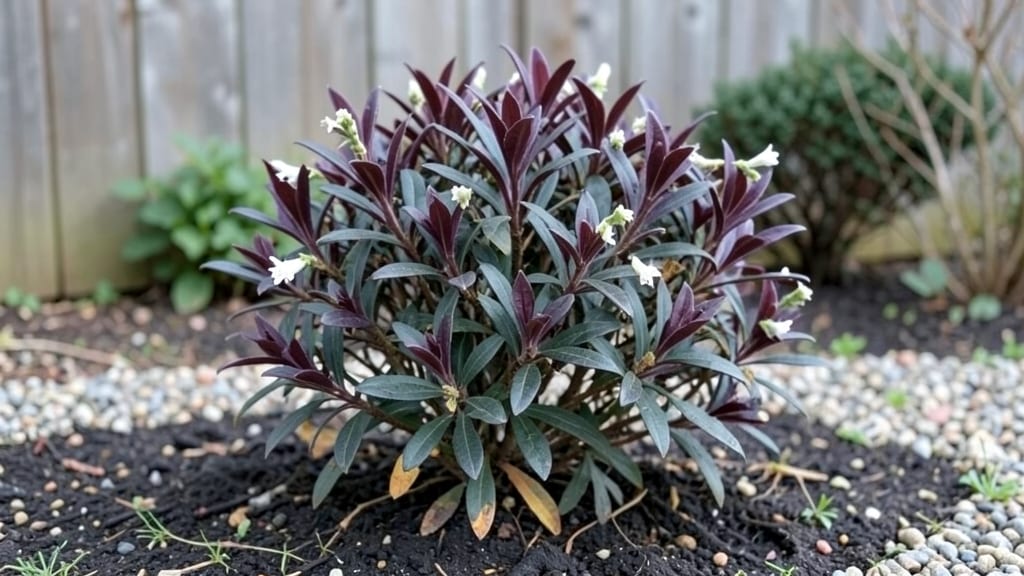
Purple evergreen plants bring drama to gardens without ever fading. 🌿 I’ve designed borders and containers with these showstoppers, and the difference is night and day—deep burgundy foliage that pops against green, silver, or even white blooms.
Their rich color holds up through all four seasons, making them the backbone of low-maintenance, high-impact designs.
Heuchera ‘Palace Purple’ and Skimmia japonica ‘Girard’s Variety’ are my go-tos—they thrive in partial shade, handle cold snaps down to 10°F, and attract pollinators year-round. Pair them with silver foliage like lamb’s ear or white flowers like ajuga for a striking contrast that never goes out of style.
These plants also play well in containers, adding height and texture to patios or balconies.
You’ll end up with a garden that feels lush and intentional, even in winter. The deep purple tones create a moody, sophisticated look while supporting bees, butterflies, and birds.
Plus, they’re drought-tolerant once established, so once you plant them, they’ll reward you with minimal effort. Here’s how to make them the star of your design.
Works in borders, mixed beds, or even as standalone focal points. Whether you’re refreshing an existing garden or starting fresh, these evergreens deliver color that never quits—no seasonal replacements needed. Let’s get planting!
📚 In This Guide
- What you need
- Instructions
- Tips and common mistakes
- Wrapping up and next steps
What you need
- ● Purple evergreen plants: 1–5 plants (depending on space; popular choices: Heuchera, Ilex ‘Glasnevin’, Cotoneaster ‘Royal Purple’, or Skimmia japonica ‘Veitchii’)
- ● Seedlings or bare-root plants (if starting from scratch—check local nurseries for cold-hardy varieties).
- ● Soil amendments: 1–2 bags of well-draining potting mix (for containers) or compost (for in-ground planting).
- ○ Optional: Perlite or sand (1 part to 3 parts soil) for sandy soil improvement.
- ● Tools: 1 garden trowel or shovel (for planting).
- ● 1 pruning shears (for shaping or trimming).
- ● 1 watering can or hose with a gentle spray nozzle.
- ● 1 gloves (to protect hands from soil or thorns, if applicable).
- ● Location: Full sun to partial shade (6+ hours of light for most varieties; check plant tags!).
- ● Protected spot from strong winds (especially for delicate foliage like Heuchera).
- ● Mulch: 2–3 inches of wood chips or pine straw to retain moisture and suppress weeds.
- ● Fertilizer: Slow-release balanced fertilizer (10-10-10) or organic compost tea (apply in early spring).
- ● Container gardening: 1–2 10–15 gallon pots with drainage holes (for patio or balcony setups).
- ● Pollinator-friendly companions: Plant lavender, salvia, or bee balm nearby to attract butterflies and hummingbirds!
How to create a stunning purple evergreen garden year-round
This vibrant, low-maintenance approach brings bold color and pollinator support to your landscape without seasonal fuss.
🌱 Step 1: Select the Right Purple Evergreen Plants
Start with four proven varieties that thrive in your climate zone. I recommend Heuchera 'Plum Pudding' for its deep burgundy foliage, Lavender 'Hidcote' for fragrant purple blooms, Dwarf Mondo Grass for ground cover, and Purple Leaf Steelgrass for airy texture. These plants offer different heights and textures—Heuchera and Steelgrass reach 12-18 inches, while Mondo Grass stays under 6 inches. Check your zone's hardiness ratings before purchasing.
Look for healthy plants with firm stems and no yellowing leaves. Purple foliage should appear vibrant, not faded. I always inspect the undersides of leaves for pests—early detection prevents infestations. Place these plants in partial shade to full sun, depending on your region. In hotter climates, protect them from midday sun to prevent leaf scorch.
☀️ Step 2: Prepare the Planting Site
Choose a location with well-draining soil—purple evergreens hate soggy roots. Amend heavy clay soil with 2-3 inches of compost and a handful of perlite to improve drainage. Test your soil's pH; most purple evergreens prefer slightly acidic to neutral (6.0-7.0). If your soil is alkaline, mix in peat moss to lower the pH gradually.
Dig holes twice as wide as the root ball but only as deep. This encourages roots to spread outward rather than sitting too deep. Space plants 12-18 inches apart to allow airflow and prevent disease. I like to water the holes deeply before planting to help roots settle into moist soil. If planting in containers, use pots with drainage holes and fill with a mix of potting soil and perlite.
💧 Step 3: Plant and Establish for Year-Round Color
Remove plants from their containers and loosen the roots gently if they're circling. Place each plant in its hole, ensuring the top of the root ball sits level with the soil surface. Fill the hole with soil, pressing lightly to remove air pockets. Water deeply until the soil is evenly moist to a depth of 6 inches. This helps the roots establish quickly.
Mulch around the base with 2-3 inches of shredded bark or pine needles to retain moisture and suppress weeds. Keep mulch 2 inches away from plant stems to prevent rot. Water once a week for the first month, then reduce to every 2 weeks once established. Purple evergreens are drought-tolerant once rooted, but consistent moisture during the first season ensures strong growth.
✂️ Step 4: Maintain and Encourage Pollinators
Prune in early spring to shape plants and remove any dead or damaged foliage. I use clean, sharp pruners to make cuts just above a leaf node. Avoid heavy pruning—purple evergreens grow slowly, and aggressive cuts can take years to recover. If you notice leggy growth, trim back by one-third to encourage bushier habits.
To attract pollinators, add native wildflowers like purple coneflower or bee balm nearby. These plants complement your evergreens and create a year-round pollinator haven. Avoid chemical fertilizers—they can burn delicate foliage. Instead, top-dress with compost annually in early spring. This feeds the soil naturally and supports healthy growth without harsh chemicals.
🪴 Step 5: Overwinter for Long-Term Success
In colder zones, protect plants from freezing winds by grouping them together or using burlap windbreaks. Evergreen foliage can dry out in winter, so water sparingly during dry spells. I check soil moisture in late winter—if it's dry, I give a light watering to prevent stress. Avoid heavy watering, as it can leach nutrients from the soil.
In spring, remove any winter mulch and replace it with fresh. This prevents soil compaction and encourages new growth. Watch for spider mites or aphids—common pests on purple foliage. Spray plants with neem oil if you spot early signs of infestation. With proper care, your purple evergreen garden will thrive for years, offering bold color and pollinator support in every season.
Tips & tricks for perfect purple evergreen plantings
Creating a vibrant purple evergreen garden takes more than just planting—it's about the little details that make all the difference. Here are my go-to strategies for achieving that stunning, low-maintenance look.
Plant Selection Insight: When choosing your purple evergreens, pay special attention to the Heuchera 'Plum Pudding'—it's the showstopper of this combination. Look for plants with deep, rich purple foliage that doesn't have any brown or yellow edges. I always check the undersides of leaves for spider mites before bringing them home. These tiny pests can spread quickly, and catching them early saves you from dealing with a full-blown infestation later.
Soil Preparation Strategy: The 2-3 inches of compost and perlite in Step 2 aren't just random measurements—they're designed to create that perfect well-draining environment. If you're working with heavy clay soil, consider adding an extra handful of perlite to each hole. This prevents waterlogging, which can cause root rot in these sensitive plants. I've seen too many beautiful purple gardens ruined by soggy roots!
Watering Wisdom: That first month of weekly watering is crucial for establishing your plants. I recommend using a rain gauge or tuna can to measure exactly 1 inch of water per week. This ensures consistent moisture without overwatering. After the initial month, you can reduce to every 2 weeks, but always check the soil first—stick your finger about 2 inches down. If it feels dry, water again.
Pollinator Power-Up: The native wildflowers mentioned in Step 4 don't just look pretty—they create a complete ecosystem. I like to add purple coneflower and bee balm in clusters of 3-5 plants around your evergreens. This creates visual impact while providing continuous nectar for pollinators. Plus, the purple flowers echo your evergreen foliage beautifully, tying the whole garden together.
Pro Tips for Purple Evergreen Plants
- Creating a vibrant purple evergreen garden takes more than just planting—it's about the little details that make all the difference.
- Plant Selection Insight: When choosing your purple evergreens, pay special attention to the Heuchera 'Plum Pudding'—it's the showstopper of this combination.
- Soil Preparation Strategy: The 2-3 inches of compost and perlite in Step 2 aren't just random measurements—they're designed to create that perfect well-draining environment.
Frequently asked questions
Got questions about keeping your purple evergreen plants thriving? Here are some common ones—plus the answers you need to keep your garden vibrant all year!
What’s the easiest purple evergreen plant for beginners?
Start with Heuchera (corne lily) or Liriope muscari (monkey grass). Both are low-maintenance, drought-tolerant, and packed with deep purple foliage. Heuchera thrives in partial shade, while Liriope handles full sun—perfect for testing your green thumb!
How do purple evergreens survive winter?
Most purple evergreens are cold-hardy (zones 4–9), but mulch their bases with 2–3 inches of shredded bark or leaves to insulate roots. Avoid heavy snow buildup on delicate leaves—gently brush it off. Evergreen Perovskia atriplicifolia (Russian sage) and Carex morrowii (Japanese sedge) are winter warriors!
Do these plants attract pollinators?
While their foliage is the star, many (like Salvia nemorosa or Caryopteris × clandonensis) produce fragrant flowers that draw bees, butterflies, and hummingbirds. Plant them near herbs or annuals for a pollinator powerhouse combo.
Can I grow purple evergreens in containers?
Yes! Dwarf varieties like Pennisetum ‘Purple Majesty’ or Sedum ‘Autumn Joy’ (purple-tinged) thrive in pots. Use well-draining soil, a container with drainage holes, and fertilize lightly in spring. Just remember: containers dry out faster—water deeply when the top inch of soil feels dry.
Why are my purple evergreen leaves turning yellow?
Yellowing often signals overwatering, nutrient deficiency, or poor drainage. Check soil moisture (stick your finger in—it should be slightly damp, not soggy). Amend soil with compost or use a balanced fertilizer. If roots look mushy, repot or improve drainage immediately!
Wrapping up and next steps
Purple evergreen plants bring vibrant color, low-maintenance beauty, and vital support for pollinators all year long—whether you’re a seasoned gardener or just starting out. From the hardy Heuchera to the striking Purple Smoke Bush, these plants prove that year-round charm doesn’t require constant effort. 🌿✨
Ready to transform your garden? Start small—pick one purple evergreen to test your space, then expand as you gain confidence. Your pollinator friends will thank you!
- Next step: Research local nurseries or online seed shops for varieties that thrive in your climate.
- Bonus tip: Snap a photo of your progress—share it with fellow plant lovers for extra inspiration!