
Companion Plants
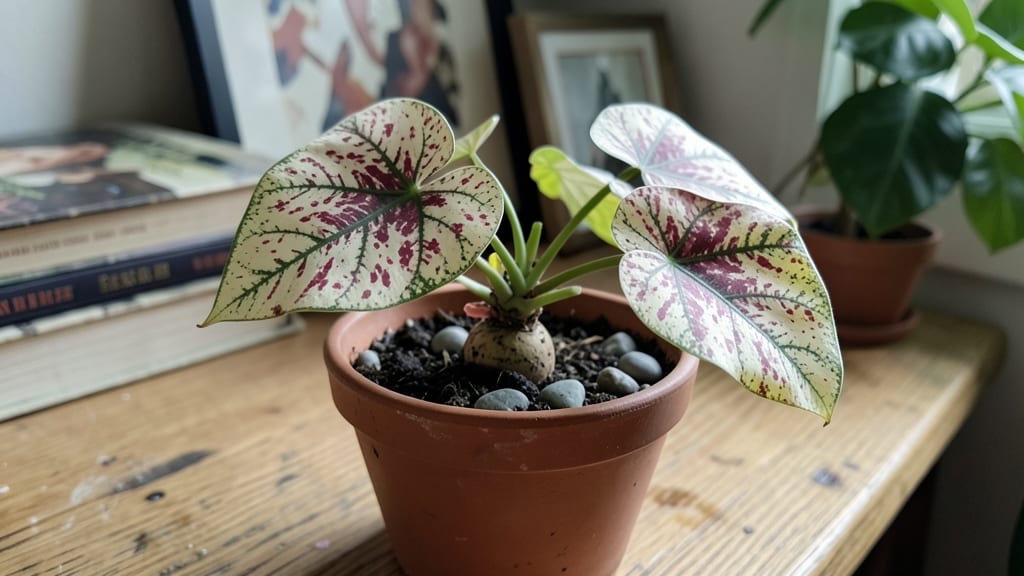
The pink ladies plants you’ll love are the striped tomatoes that turn your garden into a summer dream—juicy, reliable, and impossible to resist. struggled with finicky tomatoes before.
The secret starts with rich, well-draining soil mixed with compost, and planting them in full sun where they’ll get at least 6-8 hours of light daily. These tomatoes love warmth but hate soggy roots, so raised beds or containers work best if your soil stays heavy after rain.
Once established, they’ll reward you with vibrant pink-and-red striped fruit that’s sweeter than store-bought and packed with flavor.
Pruning isn’t just about shaping—it’s about directing energy toward fruit production. Pinch off early suckers and focus on air circulation to prevent disease. By midsummer, you’ll be harvesting 10-12 pounds of tomatoes per plant, and with proper care, they’ll keep producing until frost.
The key is consistency: water deeply once a week, fertilize lightly, and watch them thrive.
Troubleshooting common issues like blossom end rot or cracked fruit is simple once you know the triggers—usually uneven watering or calcium deficiency. I’ll walk you through how to spot problems early and fix them before they derail your harvest. Ready to grow tomatoes that look as stunning as they taste?
📚 In This Guide
- What you need
- Instructions
- Tips and common mistakes
- Wrapping up and next steps
What you need
- ● Pink Ladies tomato seeds or seedlings: Choose Solanum lycopersicum ‘Pink Lady’ seeds (or certified disease-free seedlings). Aim for 3–5 plants per gardener for a bountiful harvest.
- ● Well-draining potting mix: Use a high-quality, organic blend (e.g., 60% peat moss, 20% perlite, 20% compost). 5–10 gallons per plant is ideal.
- ● Containers or garden bed: Containers: 5-gallon pots (minimum) with drainage holes. Opt for fabric grow bags or plastic pots with breathable sides.
- ● Garden beds: Ensure 6+ hours of sunlight and loamy, slightly acidic soil (pH 6.0–6.8).
- ● Fertilizer: Balanced starter fertilizer: 5-10-5 or 10-10-10 NPK ratio (1 tbsp per gallon of water).
- ● Organic slow-release option: Fish emulsion (1-2-2 ratio) or composted manure (apply every 4–6 weeks).
- ● Support system: Cages or stakes: 5–6 ft tall tomato cages or bamboo stakes (2–3 per plant).
- ○ Trellis (optional for vertical gardening): Galvanized wire or A-frame trellis.
- ● Mulch: Straw or shredded leaves (2–3 inches thick) to retain moisture and suppress weeds.
- ● Hand trowel or transplanting spade (for planting seedlings).
- ● Watering can or hose with adjustable nozzle (gentle watering prevents soil erosion).
- ● Pruning shears (for removing suckers and dead leaves).
- ● Gloves (to protect hands from thorns and soil-borne pathogens).
- ● pH testing kit (to monitor soil acidity).
- ○ Optional but helpful: Drip irrigation system (for consistent moisture).
- ● Shade cloth (30–50% coverage for seedlings in hot climates).
- ● Row covers (to deter pests like hornworms).
Step-by-step instructions for growing Pink Ladies tomatoes
Here's how to cultivate those striking striped beauties—with a foolproof method for maximum flavor and yield.
Select and Prepare Your Planting Site
Pink Ladies thrive in full sun—choose a location receiving at least 8 hours of direct sunlight daily. If growing in containers, position them where they won’t be shaded by nearby structures or plants. I always test the spot for a full day first; these tomatoes need unobstructed light to develop their signature bold stripes.
Work 2-3 inches of compost into the top 6 inches of soil to enrich it with organic matter. Pink Ladies are vigorous growers, so they demand fertile ground. If your soil drains poorly, amend it with sand or perlite to prevent waterlogging, which can stunt their growth or invite disease. A soil pH of 6.0-6.8 is ideal—test it with a simple kit if unsure.
Plant with Proper Spacing and Support
Set out your Pink Ladies seedlings when nighttime temperatures stay above 55°F, usually 2-3 weeks after your last frost date. Space plants 24-36 inches apart in rows 3 feet apart to allow airflow and prevent fungal issues. These tomatoes grow large, so crowding will lead to weak stems and poor fruit development.
Install sturdy cages or stakes at planting time—Pink Ladies can reach 4-5 feet tall and produce 1-2 pound fruits. I use 5-foot tomato cages buried 6 inches deep to provide stability. If staking, tie the main stem loosely to the support with soft cloth strips to avoid damaging the plant as it grows.
Water Deeply and Consistently
Water deeply once or twice weekly, aiming for 1-1.5 inches of moisture per week. Pink Ladies are drought-sensitive; inconsistent watering leads to blossom-end rot or cracked fruit. I water at the base of the plant in the morning to allow foliage to dry quickly, reducing disease risk. Avoid wetting the leaves, especially in humid conditions.
Use drip irrigation or soaker hoses to deliver water directly to the roots. Mulch with 2-3 inches of straw or shredded leaves to retain moisture and suppress weeds. Check soil moisture by sticking your finger 1-2 inches deep—if it feels dry, it’s time to water. Overwatering is just as harmful as underwatering.
Prune and Fertilize for Optimal Growth
Prune suckers—those small shoots growing in the leaf axils—weekly to direct energy into fruit production. Remove any leaves touching the soil to prevent disease. I also pinch off the first few flowers to encourage stronger vine development, especially in early growth. This ensures the plant matures enough to support its heavy harvest.
Fertilize every 3-4 weeks with a balanced tomato fertilizer (10-10-10 or similar). Once flowers appear, switch to a low-nitrogen, high-phosphorus formula to boost fruiting. I also side-dress with compost tea mid-season for a nutrient boost. Stop fertilizing 4-6 weeks before the first frost to allow the plant to harden off naturally.
Harvest and Store for Maximum Flavor
Harvest Pink Ladies when they’re fully colored and slightly soft to the touch. These tomatoes ripen unevenly, so check plants every 2-3 days in peak season. Use pruning shears to avoid damaging the vine. I always pick early in the morning when the fruit is coolest—this preserves flavor and texture.
Store harvested tomatoes at room temperature for 3-5 days to ripen further. For longer storage, refrigerate and bring to room temperature before eating. Pink Ladies are best enjoyed fresh, but you can also slice them for sandwiches or sauces. Their sweet, tangy flavor peaks when fully ripe—don’t rush the process!
Tips & tricks for perfect Pink Ladies tomatoes
These practical insights will help you cultivate vibrant, productive Pink Ladies plants that deliver the bold flavors and striking stripes they're famous for.
Sunlight Strategy: The 8 hours of direct sunlight requirement is non-negotiable for those signature stripes. I recommend testing your chosen spot for a full day before planting—shade from nearby structures or trees can appear minimal but still compromise fruit development. For container growers, position pots where they receive morning sun and afternoon shade in hot climates to prevent leaf scorch while still meeting the sunlight requirement.
Soil Preparation Insight: When amending your soil with 2-3 inches of compost, don't just mix it in superficially. Work it down to the 6-inch depth specified—this creates a nutrient-rich zone where roots can access what they need throughout the growing season. For particularly heavy clay soils, I've found adding perlite at this stage dramatically improves drainage while maintaining moisture retention, which Pink Ladies appreciate.
Planting Temperature Timing: The 55°F nighttime temperature threshold is crucial—planting too early when nights are cooler can stunt growth. I've learned to check local frost date forecasts and then count back 3 weeks to determine my planting window. For container growers, this timing is even more critical since pots cool down faster than in-ground plantings. Consider using a soil thermometer to verify nighttime soil temperatures if you're unsure.
Pruning Precision: When pruning suckers weekly, focus on removing only those growing in the leaf axils—they're the ones that will compete with your main stem for energy. I've found that using clean, sharp pruning shears (disinfected with rubbing alcohol) prevents disease transmission between cuts. For the first few flowers, pinch them off when they're still small—this might feel counterintuitive, but it redirects the plant's energy into building a stronger structure that can support the heavy 1-2 pound fruits these tomatoes produce.
Pro Tips for Pink Ladies Plants
- These practical insights will help you cultivate vibrant, productive Pink Ladies plants that deliver the bold flavors and striking stripes they're famous for.
- Sunlight Strategy: The 8 hours of direct sunlight requirement is non-negotiable for those signature stripes.
- Soil Preparation Insight: When amending your soil with 2-3 inches of compost, don't just mix it in superficially.
Frequently asked questions
Got questions about growing Pink Ladies tomatoes? You’re not alone!
Here are the most common ones—plus quick, expert-backed answers to help you cultivate bold, striped harvests with confidence.
How do I tell if my Pink Ladies plant is healthy?
A thriving Pink Ladies plant has deep green, glossy leaves with no yellowing or spots. Check the stems for firmness (no mushy or discolored areas) and roots for white, fibrous growth when repotted. Pro tip: Prune suckers (side shoots) regularly to boost airflow and fruit production!
When should I expect my Pink Ladies tomatoes to ripen?
With proper care, Pink Ladies tomatoes typically ripen 70–80 days after transplanting. Start harvesting when the fruit turns a vibrant pink with those iconic yellow stripes—no need to wait for full redness! For year-round harvests, use grow lights (14–16 hrs/day) in cooler months.
Can I grow Pink Ladies indoors? What do I need?
You’ll need a sunny window (south-facing) or grow lights, a 5-gallon pot with drainage, and nutrient-rich potting mix. Keep temps between 65–85°F and pollinate by gently shaking the plant or using a small brush. Troubleshoot: Yellow leaves? Boost light or check for overwatering!
Why aren’t my Pink Ladies tomatoes striped like they should be?
Stripe intensity fades with too much shade or inconsistent sunlight. Ensure your plant gets 6–8+ hours of direct sun daily. Poor nutrition (low potassium/magnesium) can also dull colors—feed with a balanced fertilizer (like 10-10-10) every 2–3 weeks. Bonus: Mulch with straw to retain moisture and enhance flavor!
What companion plants pair well with Pink Ladies tomatoes?
Pink Ladies love these neighbors:
- Basil – Repels pests and boosts flavor!
- Marigolds – Natural pest deterrent.
- Avoid: Fennel or brassicas (compete for nutrients).
Plant companions 12–18 inches away to prevent crowding. Pro tip: Interplant with lettuce or spinach for efficient space use!
Wrapping up and next steps
Growing Pink Ladies tomato plants is a rewarding journey that brings bold, striped beauty to your garden—and your plate! 🌱 Their vibrant flavor and striking appearance make them a standout choice for both beginners and seasoned gardeners.
With the right care, companion plants, and a little patience, you’ll enjoy a year-round harvest that’s as delicious as it is eye-catching.
Ready to dive in? Start by planting your seeds or seedlings this season and watch your garden transform. Happy growing—your future tomato feasts are waiting! 🍅✨