
Blooming
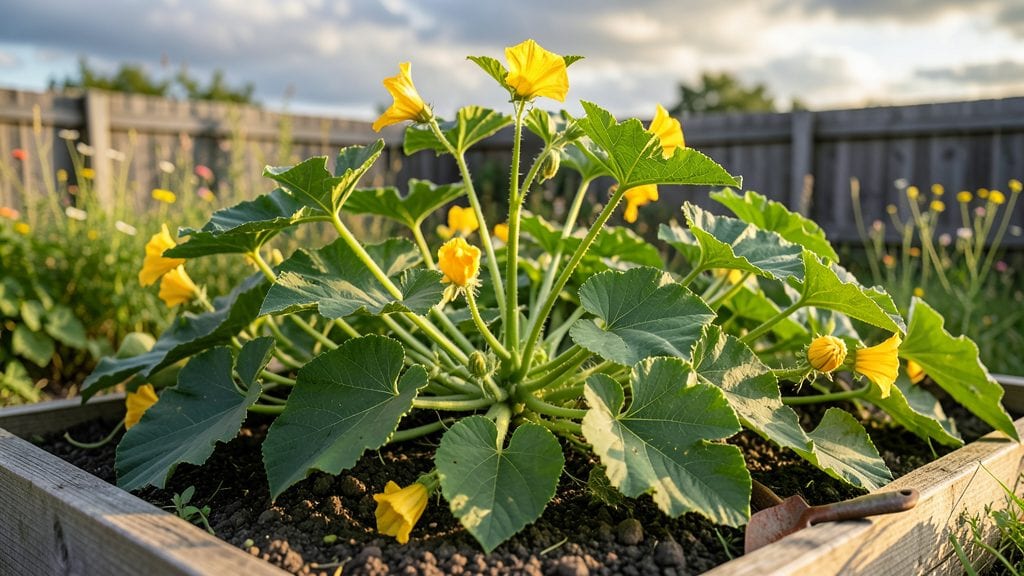
Pumpkin plants blooming like crazy means you're on the right track—but only if you know how to guide that energy toward fruit. 🌻 I've seen gardeners waste weeks of blooms because they didn't understand the difference between male and female flowers, or how to prune for more flowers and better fruit set.
The secret isn't complicated: it's about timing, a few strategic cuts, and knowing which flowers to watch.
Here's the thing—pumpkins produce dozens of male flowers first, then fewer female flowers where the fruit forms. Most gardeners just let them go wild, but pruning the right vines at the right time doubles your blooms and improves fruit quality.
You'll need sharp pruners, a sunny spot with at least 6 hours of light daily, and a watering can—no fancy tools, just smart cuts. Start pruning when vines hit 3 feet long, and you'll see the difference in just a few weeks.
By the end of summer, you'll have vines heavy with bright yellow blooms and developing pumpkins. The flowers won't just be pretty—they'll turn into fruit that actually matures. Pruned plants also resist disease better and produce fewer straggly vines that shade the fruit.
The key is working with the plant, not against it, and I'll show you exactly how to do that without sacrificing next year's harvest.
This works for both bush and vining varieties, whether you're growing in a raised bed or sprawling across a trellis. The same principles apply to squash and gourds too—once you master the blooms, you can apply it to the whole cucurbit family.
Let's turn those flowers into pumpkins the right way.
📚 In This Guide
- What you need
- Instructions
- Tips and common mistakes
- Wrapping up and next steps
What you need
- ● Pumpkin seeds or seedlings: Choose disease-resistant varieties like Howden or Jack Be Little (3–5 plants for optimal blooms).
- ● Well-draining soil: Mix 1 part compost with 2 parts garden soil (pH 6.0–6.8).
- ● Fertilizer: Balanced (10-10-10) or organic: 1 tbsp per plant every 2–3 weeks.
- ● Bloom booster: Low-nitrogen (5-10-10) fertilizer when flowers appear.
- ● Pruning shears: Sharp, bypass-style (avoid dull tools—they crush stems!).
- ○ Gloves: Heavy-duty for thorny vines (optional but highly recommended!).
- ● Watering can or hose: With a gentle spray nozzle (pumpkins hate soggy feet!).
- ● Mulch: Straw or shredded leaves (2–3 inches thick) to retain moisture.
- ● Sunlight: Full sun (6–8+ hours daily)—no shade allowed!
- ● Space: Vines need 50–100 sq. ft. per plant (trellises save space!).
- ● Warmth: Soil temps above 60°F (15°C) for germination.
- ● Patience: Blooms appear 45–60 days after planting (varies by variety).
- ● Trellis or cage: For vertical growth (saves space + improves airflow).
- ● Hand lens: To inspect flowers for pests (early detection = happy pumpkins!).
- ● Compost tea: Homemade or store-bought for a nutrient boost.
- ● Pollinator-friendly plants: Marigolds or nasturtiums nearby to attract bees.
Step-by-Step pruning for pumpkin plants to keep them blooming all summer
Watch your pumpkin vines explode with flowers instead of just leaves—here's how to prune for maximum blooms.
🌱 Step 1: Wait Until Vines Establish 3-4 Leaves Before Pruning
Hold off on cutting anything until your pumpkin plants have 3-4 mature leaves and a 6-inch stem. This ensures the plant has enough energy to support both growth and flowering. I know it's tempting to trim early, but young vines need all their strength to develop roots and foliage first.
Look for the first true leaves (the larger ones after the initial seed leaves) as your signal. These leaves indicate the plant has moved past the vulnerable seedling stage. Once you see them, you're ready to start shaping the vine for better flowering.
✂️ Step 2: Remove Only the Bottom Leaves and Weak Growth
Use clean, sharp pruning shears to snip off only the lowest leaves—about the first 6 inches of stem. These leaves are the least productive and often block airflow, creating conditions for powdery mildew. I aim to keep the stem bare for 6-12 inches at the base.
Also cut back any weak, leggy growth that's stretching toward the sun without leaves. These shoots drain energy that could go toward flower production. You'll know a stem is weak if it's thinner than a pencil or has fewer than 2 leaves. Never remove more than 1/3 of the plant's foliage at once—this stresses the vine.
☀️ Step 3: Encourage Airflow by Pruning Crowded Vines
Pumpkin vines sprawl fast, and thick foliage traps moisture, leading to disease. Every 7-10 days, inspect your plants for overlapping leaves or vines growing directly on top of each other. Cut back the topmost vine in these clusters, leaving 2-3 leaves on the remaining stem.
I focus on the outer edges of the vine first—these get the most sunlight and airflow. You'll see a difference within a week: fewer yellow leaves and more bright green, healthy foliage. This pruning also directs energy toward producing more flowers instead of dense, shaded growth.
🌿 Step 4: Pinch Off Male Flowers to Boost Female Production
Male pumpkin flowers appear first and have a long, slender stem. Female flowers develop a tiny pumpkin at the base of the blossom. Once your plant has 5-6 female flowers, start removing every male flower that appears for 2-3 weeks.
This might seem counterintuitive, but male flowers drain energy that could go toward female flowers—the ones that actually produce pumpkins. Remove them by twisting gently at the stem base. You'll know you're doing it right when you see more female flowers forming within 10-14 days. Stop this practice once you have a steady supply of female blooms.
💧 Step 5: Prune After Harvesting to Stimulate New Growth
After you harvest a pumpkin, cut the fruit stem back to a leaf node about 6 inches down the vine. This redirects the plant's energy from supporting the spent fruit to producing new flowers and vines. I always use sterilized pruners to make clean cuts and avoid disease.
Watch for new shoots emerging from the leaf nodes within 3-5 days. These will become your next round of flowering vines. Keep pruning aggressively but strategically—remove any dead or diseased leaves immediately to prevent spread. With consistent pruning, your pumpkin plants will keep blooming until the first frost.
Tips & tricks for perfect pumpkin plant blooms
These pruning secrets will transform your pumpkin vines into flowering powerhouses—no more leafy monsters, just endless blooms!
Timing is Everything: In Step 1, resist the urge to prune too early. Those first 3-4 mature leaves and 6-inch stem are your plant's energy reserves. I've seen gardeners rush this step and end up with stunted growth—wait for those true leaves to appear before touching your shears. The first true leaves are your green light to begin shaping the vine.
Tool Prep Matters: Before you start Step 2, sterilize your pruning shears with rubbing alcohol. I learned this the hard way when I reused shears from my tomato plants—suddenly my pumpkins had a mysterious leaf spot. Clean tools prevent disease spread between plants. For large vines, I also keep a small spray bottle of water nearby to mist cuts, which helps prevent fungal infections.
Airflow Strategy: When you're pruning crowded vines in Step 3, think of your plant like a forest canopy—you want sunlight to reach all layers. Focus on removing the topmost vines in clusters first, leaving 2-3 leaves on the remaining stem. This creates vertical space for air to circulate. I notice the biggest difference in flower production when I prioritize the outer edges of the vine—these get the most sunlight and airflow.
Post-Harvest Revival: After harvesting in Step 5, that 6-inch cut back is your secret weapon. I've seen plants that looked completely spent produce new flowers within days after this pruning. Keep an eye out for those new shoots emerging from leaf nodes—these are your plant's last-ditch effort to keep blooming until frost. Remove any dead or diseased leaves immediately to prevent spread to these new growth points.
Pro Tips for Pumpkin Plants Blooming
- These pruning secrets will transform your pumpkin vines into flowering powerhouses—no more leafy monsters, just endless blooms!
- Timing is Everything: In Step 1, resist the urge to prune too early.
- Tool Prep Matters: Before you start Step 2, sterilize your pruning shears with rubbing alcohol.
Frequently asked questions
Got questions about coaxing those stunning pumpkin plant blooms to keep coming all summer? You’re not alone—gardeners often wonder about timing, techniques, and troubleshooting. Here’s what you need to know:
Why aren’t my pumpkin plants blooming yet?
Pumpkin plants need warmth, sunlight (6+ hours/day), and patience—they often bloom 4–6 weeks after sprouting. If it’s still cool (<50°F/10°C), wait. Check soil moisture too; stress from drought or overwatering can delay flowers. Pro tip: Use black plastic mulch to warm the soil faster!
How long do pumpkin flowers last before wilting?
Pumpkin blooms typically last 1–3 days—male flowers (with long stems) wilt first, while female flowers (with tiny pumpkins at the base) may linger slightly longer. Prune spent blooms to redirect energy to new flowers. Fun fact: Bees love them! Hand-pollinate if pollinators are scarce.
Can I prune pumpkin vines to encourage more blooms?
Yes! Prune selectively—remove only weak, leggy vines or suckers (side shoots) to focus energy on main stems. Avoid heavy pruning (keep 3–4 main vines max). Do this early morning to reduce stress. Warning: Over-pruning can reduce fruit yield—balance blooms and harvest goals!
What if my pumpkin flowers keep falling off?
Dropping blooms often signal stress—check for pests (squash vine borers, aphids), poor soil (add compost!), or sudden weather shifts. Ensure vines have support (trellises or cages) to prevent breakage. Hot tip: Mulch heavily to retain moisture and cool roots in heatwaves.
Can I grow pumpkins without flowers for edible parts?
If blooms are scarce, focus on leafy greens (young leaves are edible) or shoots (like okra). Some varieties (e.g., ‘Jack Be Little’) produce edible flowers too. Just avoid over-fertilizing with nitrogen—it boosts leaves at the expense of blooms. Bonus: Harvest male flowers for tempura or garnishes!
Wrapping up and next steps
Watching your pumpkin plants bloom is a rewarding experience, and with the right pruning tricks, you can extend that floral magic all summer long! 🌸 The key lies in balancing growth, removing excess vines, and supporting pollination—small efforts that yield big, beautiful results.
Now that you’re armed with the know-how, grab those shears and get pruning!
Ready to take it further? Experiment with deadheading spent blooms or training vines for better airflow—your pumpkin patch will thank you! 🌱 Happy gardening!