
Pruning
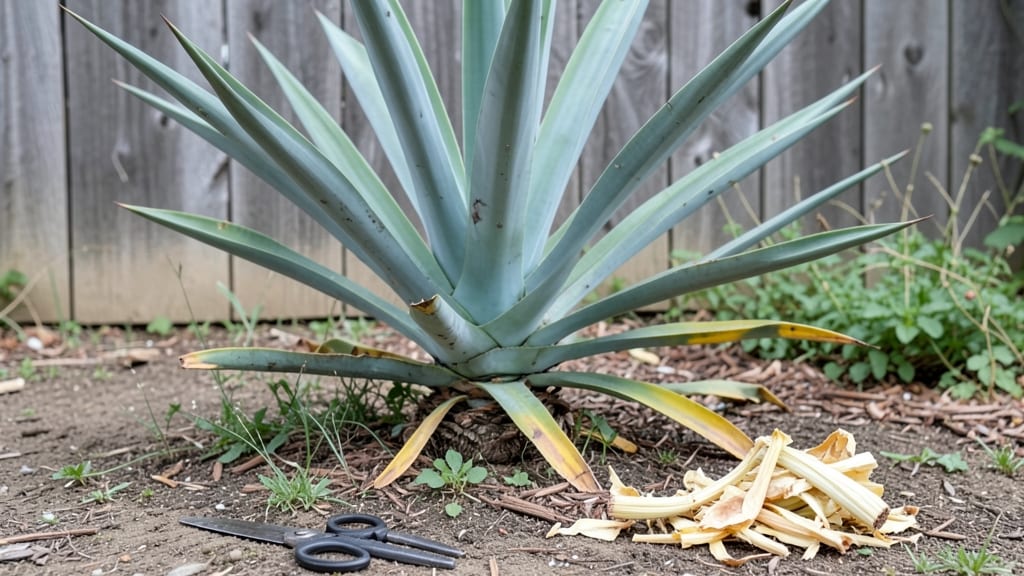
Pruning yucca plants outside isn’t just about tidying up—it’s the secret to keeping them sturdy and blooming for years. 🌿 I’ve watched my yuccas go from scraggly to showstopping just by making three strategic cuts each season, and the difference is night and day.
The key? Timing it right and cutting where it matters most.
You’ll need sharp pruners, rubbing alcohol to sterilize them, and a clear day when the plant’s not stressed by heat or cold. Most people wait until late winter or early spring, but if you spot dead leaves anytime, snip them off immediately.
The goal is to remove anything brown, yellow, or mushy—those are energy drains for your plant.
After each cut, you’ll notice new growth within weeks, often with fresh green shoots pushing through the center. The plant will look fuller, stand taller, and even produce those dramatic flower spikes it’s known for.
Just avoid cutting into the thick, woody trunk—those cuts won’t heal, and you’ll risk inviting pests or disease.
This method works year-round in warm climates, but in colder zones, hold off until after the last frost. Whether you’re dealing with a small potted yucca or a towering landscape specimen, these cuts keep your plant healthy without sacrificing its iconic desert charm.
📚 In This Guide
- What you need
- Instructions
- Tips and common mistakes
- Wrapping up and next steps
What you need
- ● Sharp pruning shears or loppers – Bypass pruners (8-10" blade) for clean cuts on smaller stems; loppers (12-16" blade) for thicker stalks (1-2" diameter).
- ● Disinfectant (70% isopropyl alcohol or bleach solution) – 1 part bleach to 9 parts water (for sterilizing tools between cuts).
- ○ Gloves (heavy-duty gardening or pruning gloves) – Optional but recommended to protect against sharp edges and sap.
- ○ Pruning saw (optional but helpful) – For very thick, woody stalks (>2" diameter).
- ● Compost or mulch – For disposing of pruned material or enriching the soil post-pruning.
- ● Hose with nozzle or bucket of water – To clean tools and rinse sap off cuts.
- ● Hand sanitizer or rubbing alcohol wipes – For quick tool sterilization on the go.
- ● Marking paint or tape – To label cuts for future reference (e.g., identifying dead vs. live growth).
- ● Plant sealant (pruning paste) – For sealing large cuts to prevent disease (apply sparingly).
- ● Wheelbarrow or trash bags – For hauling away debris efficiently.
- ● Sunscreen and hat – If pruning in direct sunlight (yucca plants thrive in full sun, but you don’t have to!).
- ● Choose a dry, overcast day or prune in the early morning/late afternoon to reduce stress on the plant.
- ● Ensure your yucca is healthy enough to handle pruning—avoid heavy cuts if the plant is already struggling (e.g., yellowing leaves from overwatering).
- ● Have a clear plan for your cuts (refer to the 3 key pruning types in the article!).
Step-by-Step instructions for pruning yucca plants outside
Here’s how to keep your yucca thriving year-round with just three strategic cuts.
✂️ Step 1: Remove Dead or Damaged Growth in Late Winter
Start by inspecting your yucca in late winter before new growth begins. Look for brown, crispy, or blackened leaves—these are dead and won’t recover. Use clean, sharp pruning shears to cut dead fronds at the base, just above a healthy section of the stem. Avoid leaving stubs longer than ½ inch, as they can attract pests or rot.
Here’s the thing—yuccas are tough, but dead growth can harbor diseases. If you see yellowing leaves with mushy stems, that’s a sign of rot. Snip those off immediately and discard them in the trash (don’t compost). Healthy yucca leaves should feel firm and slightly leathery—if they crumble at the touch, they’re ready to go.
✂️ Step 2: Trim Overgrown Fronds in Early Spring
Once new growth starts in early spring, focus on overgrown or leggy fronds that spoil the plant’s shape. Cut back any fronds that are too long, crowded, or growing at odd angles—these compete for nutrients and weaken the plant. Make your cuts just above a leaf node (the bump where leaves attach) to encourage new growth from that point.
Don’t go overboard—yuccas store water in their leaves, so removing too many at once can stress the plant. Aim to reduce fronds by no more than ⅓ of the total plant in one session. If you’re unsure, hold back and trim more later. You’ll see fresh, upright growth within 4-6 weeks if the timing’s right.
✂️ Step 3: Shape and Thin in Mid-Summer for Airflow
By mid-summer, your yucca should look fuller and healthier. Now’s the time to shape the plant and improve airflow by thinning out crossing or rubbing fronds. These are the ones that grow toward each other and create friction, leading to tears or disease. Cut them at the base with a single, clean slice—no need for fancy techniques here.
Real talk: This is where most people mess up. They either trim too little (leaving a messy, unkempt look) or over-prune (shocking the plant). Stop when the yucca’s structure looks balanced and open. After shaping, give the plant a light watering (yuccas hate soggy roots) and watch for new growth in 2-3 weeks.
⏰ Step 4: Light Pruning After Flowering (Optional)
If your yucca blooms in late spring or summer, you might see a tall flower stalk emerge. Once the bloom fades, cut the stalk back at the base—this redirects energy to leaf and root growth. Skip this step if the stalk is still green and healthy, as it may produce pups (baby yuccas) at the base.
Here’s what I do: I wait until the stalk turns completely brown before cutting. This ensures all nutrients have returned to the plant. If you’re growing yucca for propagation, leave the stalk until it dries out—pups will form at the base, ready to transplant in early fall.
Tips & tricks for pruning yucca plants outside
These simple strategies will help you keep your yucca looking its best without stressing the plant.
Timing is Everything: Late winter is the perfect time for Step 1 because yuccas are dormant and won't regrow damaged fronds. If you miss this window, wait until early spring when new growth begins. The key is to prune before the plant puts energy into new leaves—this prevents shock and helps it focus on recovery.
Tool Prep Matters: Before you start cutting in Step 1, sterilize your pruning shears with rubbing alcohol. Yuccas are prone to bacterial infections, and dirty tools can introduce problems. I also recommend using a sharp pair of shears—dull blades crush stems instead of making clean cuts, which can damage the plant and invite rot.
Visual Cues for Healthy Cuts: In Step 2, when cutting overgrown fronds, look for the leaf node—the small bump where leaves attach. Cut just above this point at a slight angle to prevent water from pooling. If you're unsure about what a healthy stem looks like, healthy tissue should be firm with a slight greenish tint, while damaged areas will feel mushy or have dark spots.
Post-Pruning Care: After shaping in Step 3, avoid heavy watering for at least a week. Yuccas store water in their leaves, so they don't need frequent watering. Instead, give them a light watering (just enough to moisten the soil) to help them recover. This is especially important if you've done significant pruning—it gives the plant time to redirect energy to new growth without stress.
Pro Tips for Pruning Yucca Plants Outside
- These simple strategies will help you keep your yucca looking its best without stressing the plant.
- Timing is Everything: Late winter is the perfect time for Step 1 because yuccas are dormant and won't regrow damaged fronds.
- Tool Prep Matters: Before you start cutting in Step 1, sterilize your pruning shears with rubbing alcohol.
Frequently asked questions
Got questions about pruning your yucca plants outside? You’re not alone!
Here are the most common concerns—plus straightforward answers to keep your plants thriving year-round.
When is the best time to prune yucca plants outdoors?
Prune yucca plants in early spring (just before new growth starts) or late winter to avoid stressing the plant during extreme cold or heat. If you spot dead or damaged foliage anytime, remove it promptly to prevent pests or disease. Avoid heavy pruning in summer—yuccas need energy to recover!
Do I need special tools to prune yucca plants outside?
Basic tools like clean, sharp pruners or a pruning saw (for thicker stems) work great. Sterilize tools with rubbing alcohol to prevent bacterial infections. Skip shears—they crush stems instead of making clean cuts. A glove is optional but helpful if your yucca has sharp spines!
What should I do if my yucca plant looks sad after pruning?
Don’t panic! Yuccas are tough. If leaves yellow or wilt slightly, it’s normal—focus on watering deeply but infrequently (let soil dry out between waterings). Avoid fertilizing for 6–8 weeks post-prune. If all leaves die back, the plant may be dormant or stressed; wait until spring for new growth.
Can I prune yucca plants in winter, or will it freeze?
Light pruning (removing only dead or broken fronds) is safe in winter, but avoid heavy cuts. Yuccas are cold-hardy (USDA zones 4–11), but fresh cuts can’t heal as fast in cold weather. If temps drop below 20°F, wait until spring. Mulch the base to protect roots—it helps!
What’s the difference between pruning and dividing yucca plants?
Pruning = trimming dead, damaged, or overgrown foliage/stems. Dividing = splitting a mature yucca into smaller clumps (best in spring). To divide: Dig up the plant, separate pups with roots, and replant. Pruning is quick; dividing takes more effort but helps rejuvenate crowded yuccas.
Wrapping up and next steps
Pruning your yucca plants outside isn’t just about keeping them tidy—it’s a game-changer for their health, growth, and even their stunning blooms! 🌿 With the right tools, timing, and techniques (like removing dead leaves, shaping for airflow, and cutting back old flower stalks), you’ll transform your yucca into a thriving, low-maintenance star.
Now that you’re armed with the know-how, there’s only one next step: grab those shears and give your yucca the care it deserves! Your plant—and your garden—will thank you.