
Pruning
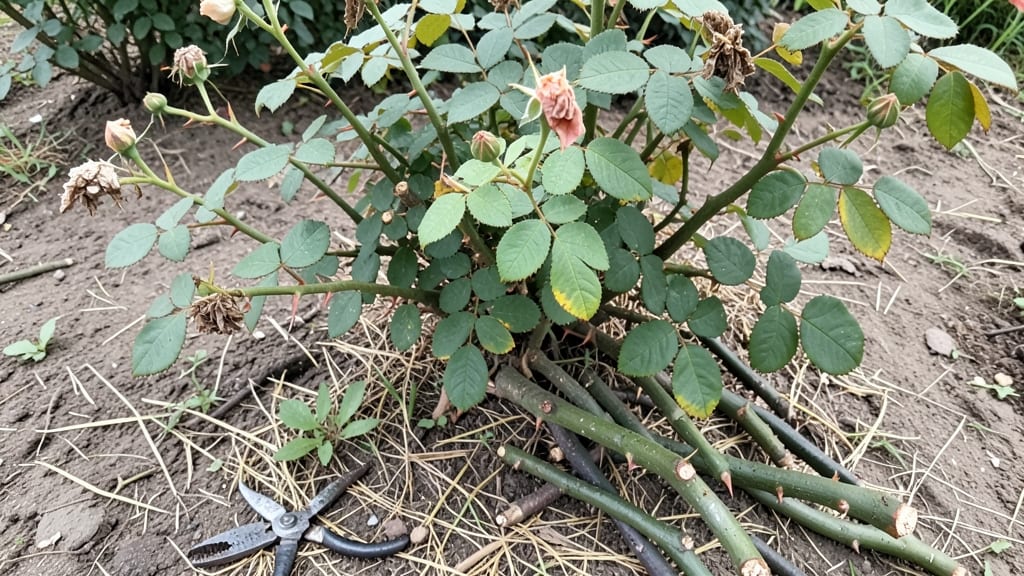
Understanding pruning plants meaning is about more than just cutting branches—it’s a deliberate way to shape growth, boost fruit production, and maintain plant health by removing dead or overcrowded stems while encouraging stronger, more productive branches. Timing and precision make all the difference in achieving the best results.
Pruning isn’t just about tidying up your garden; it’s a science that influences how your plants grow and produce.
When you strategically remove branches, you redirect the plant’s energy toward new growth, thicker stems, and even better fruit yields. 🌿 For example, fruit trees often need selective pruning to improve air circulation, which reduces disease risk and lets sunlight reach all parts of the plant.
The key is knowing when to cut—some plants thrive when pruned in late winter, while others need attention right after flowering.
Different plants respond best to specific techniques, like heading back shrubs to encourage bushier growth or thinning out crowded branches to prevent disease. Using the right tools—like sharp pruners for clean cuts—also makes a huge difference in recovery time.
Over-pruning can stress a plant, so always aim for balance: remove no more than 25-30% of the plant’s foliage in one session.
💡 In This Article
- How Pruning Affects Plant Growth and Fruit Development
- Best Pruning Techniques for Different Plant Types
How pruning affects plant growth and fruit development
When you prune, you're essentially rewiring a plant's growth system. The key mechanism involves auxin, a natural plant hormone that regulates cell elongation and root development. Removing branches reduces auxin concentration in the remaining stems, triggering a hormonal cascade that stimulates lateral bud growth.
This is why pruned plants often develop thicker, more robust stems—what scientists call "compensatory growth."
For example, a citrus tree pruned to an open-center shape (like a vase) will redirect energy toward producing more fruit-bearing branches along its perimeter, while an espaliered tree (trained flat against a wall) focuses growth horizontally for easier harvesting. 🌱
Pruning also influences flowering and fruiting cycles by altering the plant's energy allocation. In fruit-bearing plants like tomatoes, selective pruning removes non-productive suckers (side shoots) and directs resources toward the main stem and fruit clusters.
Studies show that pruned tomato plants can yield 20-30% more fruit due to improved air circulation and reduced competition for nutrients. The timing matters too: pruning too late in the season can delay flowering, while early pruning (like in late winter for deciduous trees) promotes vigorous spring growth.
Over-pruning, however, can stunt a plant by removing too much leaf surface area, which is where photosynthesis happens—think of it like cutting off a worker's hands before they finish their tasks.
Different pruning styles create distinct growth patterns. Open-center pruning (common in fruit trees) removes inward-growing branches to create a central void, improving light penetration and reducing disease risk.
Espalier pruning, on the other hand, trains branches along a flat plane, which maximizes sunlight exposure and makes harvesting easier—ideal for small spaces. The angle of your cuts matters too: always cut at a 45-degree angle just above a bud or lateral branch to encourage proper regrowth.
This precision ensures the plant doesn't waste energy sealing large wounds, which can become entry points for pests and diseases. 🌿
What most gardeners don't realize is how pruning affects root development. When you remove above-ground growth, the plant's roots often expand to compensate, seeking more water and nutrients. This is why pruned shrubs like hydrangeas can recover quickly from heavy cuts—they're already preparing for new growth underground.
However, this mechanism has limits: over-pruning can force roots to work harder than they're designed to, leading to stress and potential decline.
The golden rule is to never remove more than one-third of a plant's foliage in a single session, unless you're dealing with a severely overgrown specimen that needs drastic measures.
Consider the case of grapevines, where pruning techniques vary dramatically by variety. For example, a Canadice grapevine (used for juice) might be pruned to retain 8-12 buds per vine to maximize fruit production, while a Concord vine (for eating) could keep 16-20 buds for larger clusters.
The difference comes down to the plant's natural growth habit and intended use—juice grapes prioritize quantity, while table grapes often need fewer but larger berries. This level of specificity shows how pruning isn't one-size-fits-all; it's a tailored approach that considers the plant's biology and your goals. ✂️
The science behind pruning even extends to how plants "remember" past cuts. Some species, like fruit trees, develop a predictable growth pattern after years of consistent pruning. This is why professional orchards maintain the same pruning schedule annually—the trees learn to anticipate the cuts and allocate resources efficiently.
For home gardeners, this means starting pruning habits early in a plant's life can pay dividends for decades. The first few years of pruning a young tree, for instance, establish the framework that determines its productivity for years to come. 🌳