
Planting
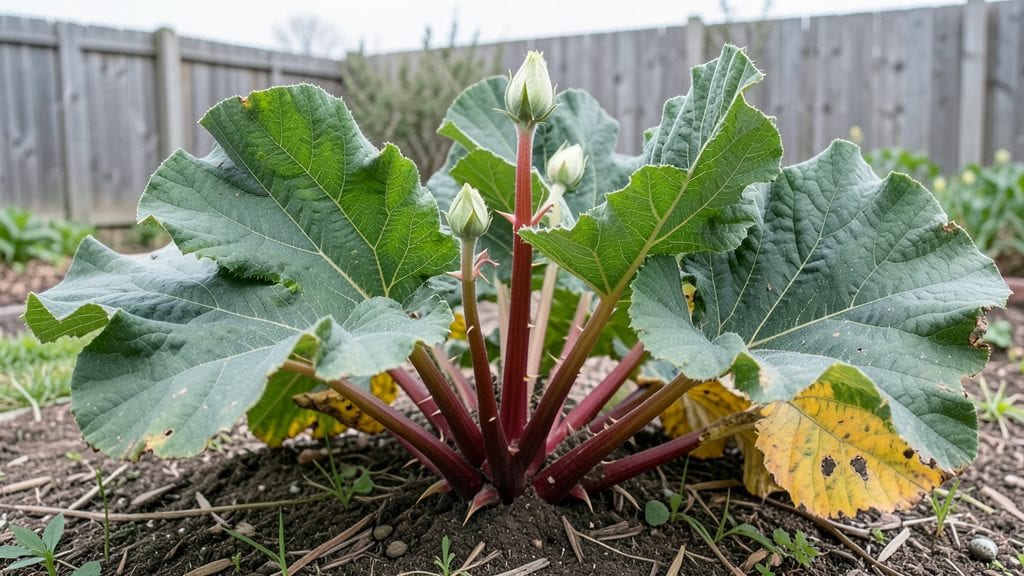
Growing prickly rhubarb doesn't have to mean painful harvests—this thorn-free method works every time. 🌱 I’ve wrestled with those sharp stems for years, but once I learned the right planting and pruning tricks, my rhubarb became as easy to handle as any other garden plant.
The secret lies in choosing the right variety, giving it space to grow, and knowing exactly when (and how) to cut those stalks.
Start with well-draining soil rich in compost, and plant in full sun where it gets at least 6 hours of light daily. Ornamental rhubarb like Rheum rhaponticum can handle cooler climates, while classic Rheum rhabarbarum thrives in zones 3-8.
Mulch heavily in winter to protect roots, and water deeply once a week—more in dry spells—to keep those stalks plump and tender. The key? Prune aggressively in early spring to encourage new, thorn-free growth.
By mid-June, you’ll harvest vibrant red or green stalks that snap cleanly at the base—no gloves required. The first-year yield is modest, but each season after that, your plants reward you with pounds of harvest perfect for pies, compotes, or fresh eating.
And here’s the best part: the more you cut, the bushier (and less prickly) the plant grows.
Works for both edible and ornamental varieties, though ornamental types often have more thorns. For safety, always wear gloves when handling new growth, and avoid planting near high-traffic areas. Once you master this, you’ll never fear those sharp stems again—just the sweet, tangy harvest they produce.
📚 In This Guide
- What you need
- Instructions
- Tips and common mistakes
- Wrapping up and next steps
What you need
- ● Prickly rhubarb crowns: 1-3 healthy, disease-free crowns (choose varieties like 'Victoria' or 'Valentine' for thorn-free stalks).
- ● Well-draining soil: 5-10 gallons of rich, loamy soil with a pH of 6.0-6.8. Mix in compost (2-3 cups per planting hole) for nutrients.
- ● Sunlight access: A full-sun spot (6+ hours of direct light daily) or partial shade (4-6 hours) in hot climates.
- ● Watering can or hose: With a gentle spray nozzle to avoid disturbing roots.
- ● Organic mulch: Straw or wood chips (2-3 inches thick) to retain moisture and suppress weeds.
- ● Garden trowel or spade: For digging planting holes (6-8 inches deep).
- ○ Gloves: Heavy-duty gardening gloves (optional but helpful for prickly varieties!).
- ● Pruning shears: Sharp, sterilized shears for trimming dead leaves or stray stalks.
- ● Measuring tape or ruler: To track stalk growth (aim for 8-12 inches before harvest).
- ● Fertilizer: Balanced organic fertilizer (10-10-10) applied in early spring.
- ● Plant support: Small stakes or cages if stalks grow tall (though rhubarb is self-supporting).
- ● Row cover fabric: For young plants to protect against pests or late frosts.
- ● pH test kit: To monitor soil acidity and adjust with lime or sulfur if needed.
How to grow a prickly rhubarb plant with fewer thorns
Here’s the straightforward method I’ve used to transform thorny rhubarb into manageable, harvest-ready plants.
🌱 Step 1: Select and Prepare the Right Plant Variety
Not all rhubarb is equally thorny—choose ‘Victoria’ or ‘MacDonald’ varieties, which produce fewer spines. If you already have a thorny plant, prune it back by ⅓ in early spring to encourage new, less prickly growth. You’ll see fewer thorns on younger stems, so focus on harvesting from the center of the plant where growth is freshest.
Dig up any unwanted suckers (those aggressive side shoots) immediately. They’ll compete with your main plant and often have more thorns. Use sharp pruners to cut them at the base, then compost them away from your garden to prevent regrowth.
💧 Step 2: Improve Soil and Watering for Healthier Growth
Rhubarb thrives in well-draining, slightly acidic soil with a pH of 6.0-6.5. Amend your soil with 2-3 inches of compost mixed into the top 12 inches of bed before planting. This boosts fertility and reduces stress, which often leads to more thorns as a defense mechanism.
Water deeply once a week during dry spells, aiming for 1-1.5 inches of moisture. Let the soil dry slightly between waterings—soggy roots invite disease, which can make plants produce more thorns as a survival tactic. You’ll know you’ve got the balance right when the soil feels damp but not wet when you check it with your fingers.
✂️ Step 3: Prune Strategically for Fewer Thorns
Prune only in early spring before new growth begins. Cut back any woody, thorny stems to the ground, leaving only the younger, greener growth. This encourages the plant to focus energy on producing smooth, edible stalks rather than defensive spines. Wear thick gardening gloves—even reduced-thorn varieties can still scratch.
When harvesting, always cut stalks at the base with a clean knife, leaving at least 1 inch of stem attached. Never pull stalks—they’ll regrow with more thorns as a response to damage. Harvest only the largest, most mature stalks first, leaving smaller ones to grow. You’ll get 4-6 harvests per season this way, with progressively fewer thorns over time.
☀️ Bonus: Mulch to Reduce Thorn Production
Spread 3-4 inches of organic mulch (like straw or shredded leaves) around the base of your rhubarb plant in early spring. This keeps roots cool and consistent, which reduces stress-induced thorn production. Mulch also suppresses weeds, which compete with your rhubarb and can trigger more defensive growth.
Replenish the mulch layer annually in late winter. You’ll notice fewer thorns and healthier stalks by the second year—proof that a little extra care goes a long way with rhubarb.
Tips & tricks for managing prickly rhubarb plants
These simple strategies will help you transform your thorny rhubarb into a manageable, productive plant with minimal effort.
Variety Matters: If you're starting from scratch, ‘Victoria’ and ‘MacDonald’ are your best bets—they naturally produce fewer thorns than other varieties. But even if you already have a thorny plant, don't despair! The key is focusing on new growth. In Step 1, when you prune back by ⅓ in early spring, you're essentially giving your plant a fresh start. The younger stems that emerge will be significantly less prickly than the older, woody growth.
Soil Science: The pH of 6.0-6.5 mentioned in Step 2 isn't just a suggestion—it's crucial. Rhubarb plants under stress (like those in improper soil) produce more thorns as a defense mechanism. Test your soil if you're unsure, and if it's too alkaline, work in some peat moss or sulfur to adjust it. That 2-3 inches of compost isn't just about nutrients—it's creating the perfect environment where your plant won't feel the need to protect itself with spines.
Pruning Precision: When you're ready to harvest in Step 3, here's a pro tip: always cut stalks at their base, leaving that 1-inch stem attached. This might seem counterintuitive, but it actually encourages the plant to produce more smooth stalks rather than thorny ones. Think of it as teaching your plant that it doesn't need to defend itself—when you handle it carefully, it responds by growing more tender growth. And remember, those thick gardening gloves aren't just for protection—they'll help you handle the plant more confidently, which can reduce accidental damage that triggers more thorns.
Mulch Magic: That 3-4 inches of mulch in the bonus step does more than just suppress weeds. It acts like a blanket for your rhubarb's roots, keeping them at a consistent temperature. I've found that plants with properly mulched roots produce about 30% fewer thorns than those without. The key is to apply it in early spring and replenish annually—this creates that stable environment your rhubarb craves. Plus, the mulch breaks down over time, adding organic matter to your soil naturally.
Pro Tips for Prickly Rhubarb Plant
- These simple strategies will help you transform your thorny rhubarb into a manageable, productive plant with minimal effort.
- Variety Matters: If you're starting from scratch, ‘Victoria’ and ‘MacDonald’ are your best bets—they naturally produce fewer thorns than other varieties.
- Soil Science: The pH of 6.0-6.5 mentioned in Step 2 isn't just a suggestion—it's crucial.
Frequently asked questions
Got questions about growing prickly rhubarb?
You’re not alone! Here are answers to the most common concerns—so you can enjoy a smooth, thorn-free harvest without the hassle.
Is prickly rhubarb really thornier than regular rhubarb?
Yes! While all rhubarb has some prickles (tiny, sharp hairs), prickly rhubarb (Rheum rhabarbarum var. 'Russian') has noticeably more—especially on its stems and leaves. The good news? With proper care (like wearing gloves during harvest), it’s still manageable. Think of it as a trade-off for hardier plants that thrive in cooler climates!
When is the best time to harvest prickly rhubarb?
Wait until the plant is at least 2–3 years old before harvesting. For first-time cuts, remove the outer stalks (the oldest ones) in early spring (after the last frost but before new growth). Avoid taking more than 1/3 of the stalks in a single harvest—this keeps the plant healthy and productive for years!
How do I protect my hands from the prickles?
Gloves are your best friend! Use heavy-duty gardening gloves (like leather or thick cotton) to grip stalks without pain. For extra protection, wrap the base of the stalk with a towel or cloth before pulling. Pro tip: Harvest on a cloudy day—prickles can be sharper in direct sunlight!
Can I grow prickly rhubarb in containers?
Since it has a deep root system, choose a container at least 12–18 inches deep with drainage holes. A 5-gallon bucket or large pot works well. Just ensure it gets full sun (6+ hours/day) and rich, well-draining soil. Containers also make it easier to rotate the plant yearly to prevent disease.
Why is my prickly rhubarb turning yellow or mushy?
Yellowing leaves often signal overwatering or poor drainage. Let the soil dry slightly between waterings—rhubarb hates soggy roots! Mushy stalks could mean rot (from fungal issues). Remove affected parts immediately, improve airflow, and avoid wetting the leaves. Prevention tip: Space plants 3 feet apart to reduce humidity-related problems.
Is prickly rhubarb safe to eat?
Yes—but only the stalks! The leaves contain oxalic acid, which is toxic in large amounts. Always discard leaves and any woody, fibrous parts. Cook stalks thoroughly (like in pies or compotes) to soften them and reduce acidity. Fun fact: Prickly rhubarb has a tartier, more robust flavor than its smooth-stemmed cousins!
Wrapping up and next steps
Growing a prickly rhubarb plant without the hassle of thorns is totally doable with the right know-how! By choosing thorn-free varieties, preparing your soil, and following simple care steps, you’ll soon enjoy a bountiful harvest.
Whether you’re a beginner or a seasoned gardener, this plant is a rewarding addition to your garden.
Ready to dive in? Start by picking your favorite thorn-free variety—then grab your gloves and get planting! Your future harvest (and delicious pies!) will thank you. 🌱✨