
Companion Plants
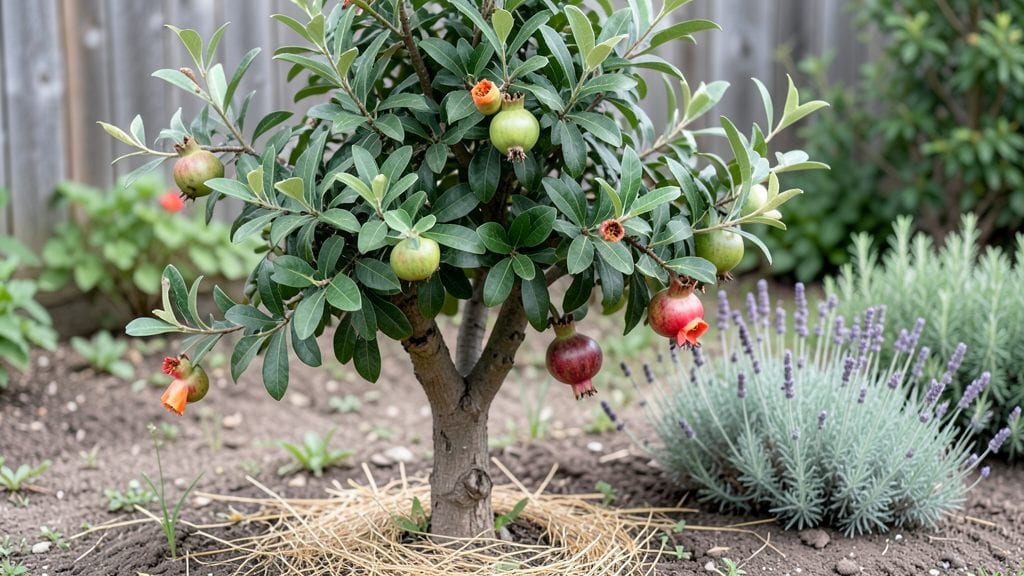
The best pomegranate companion plants aren’t just about aesthetics—they’re about creating a self-sustaining ecosystem that boosts fruit production while keeping pests at bay. 🌿 I learned this the hard way when my first pomegranate tree struggled until I added a few strategic neighbors.
The right pairings improve soil, attract pollinators, and even reduce the need for sprays by confusing insects with conflicting scents.
Herbs like rosemary and thyme are my go-to companions—they repel aphids and spider mites while thriving in the same dry conditions pomegranates love. Marigolds add another layer of defense with their strong fragrance, and their bright blooms make the tree look stunning.
Even vegetables like beans and peas work well, fixing nitrogen in the soil without competing for water.
By arranging these plants in a sunny, well-drained circle around your pomegranate, you’ll see thicker foliage, more blooms, and fruit that ripens 2-3 weeks earlier than isolated trees. The key is spacing them so roots don’t tangle—about 3 feet apart for herbs, 18 inches for marigolds.
This layout also makes harvesting easier and keeps the area looking intentional.
Seasonal swaps work too: plant garlic in fall for early pest control, or let nasturtiums trail along the base in summer to deter squash bugs. The best part?
These pairings adapt to containers or ground beds, whether you’ve got a small patio or a full orchard. Let’s design a setup that works for your space.
📚 In This Guide
- What you need
- Instructions
- Tips and common mistakes
- Wrapping up and next steps
What you need
- ● Pomegranate plant(s): 1-3 healthy saplings or mature plants (choose disease-resistant varieties like Wonderful or Eversweet).
- ● Companion plants: Nasturtiums (5-10 plants) – repels pests and adds color.
- ● Marigolds (3-5 plants) – deters nematodes and attracts pollinators.
- ● Basil (2-3 plants) – improves flavor and repels mosquitoes.
- ● Thyme or oregano (1-2 plants) – suppresses weeds and attracts beneficial insects.
- ● Well-draining soil: Mix 60% native soil with 30% compost and 10% coarse sand or perlite (pH 6.0-7.5).
- ● Mulch: 2-3 inches of organic mulch (straw, wood chips, or pine needles) to retain moisture.
- ● Watering can or drip irrigation: 1-2 gallons capacity for consistent hydration.
- ● Pruning shears: Sharp, sterilized shears for trimming companion plants.
- ● Garden gloves – Protect your hands from thorns and soil.
- ● pH testing kit – Ensure soil is ideal for pomegranates and companions.
- ○ Compost tea or liquid fertilizer – Boosts soil health (optional but helpful).
- ● Beneficial insects (ladybugs, lacewings) – Natural pest control for long-term harmony.
- ● Trellis or stakes – Supports climbing companions like nasturtiums (if needed).
Step-by-Step guide to designing a pomegranate companion planting plan
Let’s create a thriving pomegranate garden by selecting the right neighbors for your tree.
🌱 Step 1: Identify the Ideal Pomegranate Companions
Pomegranates thrive alongside plants that improve soil health, deter pests, and provide shade without competing for resources. Start with legumes like clover or beans—their nitrogen-fixing roots enrich the soil, which pomegranates love. I also recommend marigolds for their pest-repelling properties, particularly against aphids and nematodes that target pomegranate leaves.
Include herbs like thyme or rosemary near the base of the tree. These aromatic plants naturally suppress weeds and attract beneficial insects like ladybugs and lacewings, which keep pest populations in check. Avoid planting anything with shallow roots, like lavender, as they’ll compete aggressively for moisture in the pomegranate’s drought-prone environment.
🌿 Step 2: Plan for Sunlight and Space Requirements
Pomegranates demand full sun (6-8 hours daily), so choose companions that tolerate similar light conditions. Nasturtiums are perfect—they flourish in bright light, deter squash bugs, and add vibrant color without shading the tree. Space them 12-18 inches away from the pomegranate’s drip line to avoid root competition.
For ground cover, opt for creeping thyme or low-growing oregano. These herbs spread gently, suppress weeds, and tolerate the dry soil pomegranates prefer. Plant them 2 feet from the tree trunk to allow airflow and prevent fungal issues. Avoid dense ground covers like ivy, which can smother the tree’s roots over time.
✂️ Step 3: Incorporate Pest-Repelling and Pollinator-Friendly Plants
Add basil or dill near the pomegranate’s canopy to attract pollinators like bees and hoverflies, which improve fruit set. These herbs also mask the tree’s scent, confusing pests like fruit flies. Place them 18-24 inches from the trunk to avoid overshadowing the pomegranate’s lower branches.
For structural support, include dwarf citrus trees or olive trees on the perimeter of the planting area. These companions provide light shade in hot climates and share similar water needs. Just keep them at least 8 feet away to prevent root overlap, which can stress both plants.
💧 Step 4: Mulch and Maintain the Companion Planting System
Apply 2-3 inches of organic mulch (like straw or wood chips) around the base of the pomegranate and its companions. This conserves moisture, regulates soil temperature, and slowly releases nutrients as it decomposes. Replenish mulch annually in spring to maintain its protective layer.
Water deeply once a week during dry spells, ensuring the soil stays 2-3 inches moist but not soggy. Companion plants like marigolds and thyme are drought-tolerant once established, so adjust watering based on their leaf condition—wilting indicates they need more moisture, while yellowing suggests overwatering.
⏰ Step 5: Monitor and Adjust for Seasonal Changes
In early spring, prune any companion plants that grow too tall, like basil or nasturtiums, to prevent them from shading the pomegranate’s lower branches. Trim them back by one-third to encourage bushier growth and better airflow. This also makes it easier to spot pests early, like spider mites, which thrive in dense foliage.
By mid-summer, check for signs of stress in your companions—drooping marigold leaves or yellowing thyme may signal underwatering, while powdery mildew on herbs suggests too much humidity. Adjust care accordingly: move pots if needed, thin out crowded plants, or apply a light fungicide if fungal issues arise.
Tips & tricks for perfect pomegranate companion planting
Designing a thriving pomegranate garden goes beyond just planting the tree—it's about creating a balanced ecosystem where every plant supports the next. Here are the essential strategies to maximize your harvest and minimize stress on your pomegranate.
Soil Health Strategy: In Step 1, when you add legumes like clover or beans, consider mixing in a handful of compost or well-rotted manure into the planting hole before setting your pomegranate. This gives your tree an immediate nutrient boost while the legumes work their magic over time. The combination of nitrogen fixation and organic matter creates the perfect foundation for your pomegranate's root system to thrive.
Pest Defense Layering: For maximum pest protection in Step 1 and Step 3, create a layered defense system. Plant marigolds in a ring around the perimeter of your pomegranate's drip line, then place thyme or rosemary closer to the trunk. The marigolds repel soil-borne pests while the herbs deter flying insects—this dual approach gives you comprehensive coverage. Confession: I skipped this layering for years and wondered why my pomegranate still struggled with aphids!
Sunlight Mapping: When planning your 6-8 hours of daily sunlight in Step 2, use a simple trick: place a stake in the ground where you'll plant your pomegranate and mark the sun's shadow every hour during peak sunlight hours. This visual map helps you position companion plants like nasturtiums precisely where they'll get enough light without competing with your tree. I learned this the hard way after watching my nasturtiums struggle in partial shade.
Seasonal Pruning Calendar: Create a seasonal pruning schedule for your companion plants based on Step 5's spring maintenance. Mark your calendar for early spring to trim back basil and nasturtiums, then again in late summer to shape any overgrown herbs. This prevents the "spring surprise" where companion plants suddenly overshadow your pomegranate's lower branches when you're not looking.
Pro Tips for Pomegranate Companion Plants
- Designing a thriving pomegranate garden goes beyond just planting the tree—it's about creating a balanced ecosystem where every plant supports the next.
- Soil Health Strategy: In Step 1, when you add legumes like clover or beans, consider mixing in a handful of compost or well-rotted manure into the planting hole before setting your pomegranate.
- Pest Defense Layering: For maximum pest protection in Step 1 and Step 3, create a layered defense system.
Frequently asked questions
Got questions about pairing pomegranates with the perfect companions? You’re not alone! Here are some of the most common queries—plus straightforward answers to help you garden with confidence.
What are the best companion plants for pomegranates?
Pomegranates thrive alongside marigolds (which repel pests), basil (improves flavor and deters insects), and rosemary (deters beetles). Avoid planting them near citrus or walnuts, as they compete for nutrients or release allelopathic chemicals. Stick to herbs, legumes, or flowers for a happy pomegranate!
When is the best time to plant companion plants with pomegranates?
Plant companions in early spring (after the last frost) or late summer (6–8 weeks before your first frost). This gives them time to establish roots before extreme temperatures. If transplanting, water deeply and mulch to retain moisture. Avoid planting too close to the pomegranate’s drip line—aim for 3–5 feet away for optimal growth.
Can I grow pomegranates with other fruit trees?
While pomegranates can share space with figs or olives (both drought-tolerant), avoid planting them near apples, peaches, or plums. These trees attract similar pests (like aphids) and may compete aggressively for water. If space is tight, opt for dwarf varieties or use raised beds to separate them.
How do I prevent pests when using companion plants?
Companion plants like nasturtiums or garlic act as natural pest deterrents, but keep an eye out for scale insects or spider mites. Spray affected leaves with a mix of neem oil and water (1 tsp per quart) weekly. For heavy infestations, introduce ladybugs or lacewings—they’re pomegranate’s best allies!
What if I don’t have space for traditional companions?
No garden? No problem! Grow pomegranates in containers and pair them with herbs like thyme or oregano in the same pot. These compact companions deter pests and thrive in similar conditions. Just ensure the container is at least 15–20 gallons and has drainage holes. Bonus: The combo smells amazing!
Wrapping up and next steps
Choosing the right pomegranate companion plants can transform your garden into a thriving, low-maintenance ecosystem—while boosting flavor, yield, and pest resistance! 🌱 From fragrant herbs like rosemary to nitrogen-fixing legumes such as beans, these pairings work together to create a harmonious, productive space.
Your pomegranate trees will thank you with juicier fruits and fewer struggles.
Ready to put this knowledge into action? Start small: Pick 1-2 companion plants from this guide, plant them near your pomegranate, and observe the magic unfold. Happy gardening—and here’s to your next bursting harvest! 🍇✨