
Companion Plants
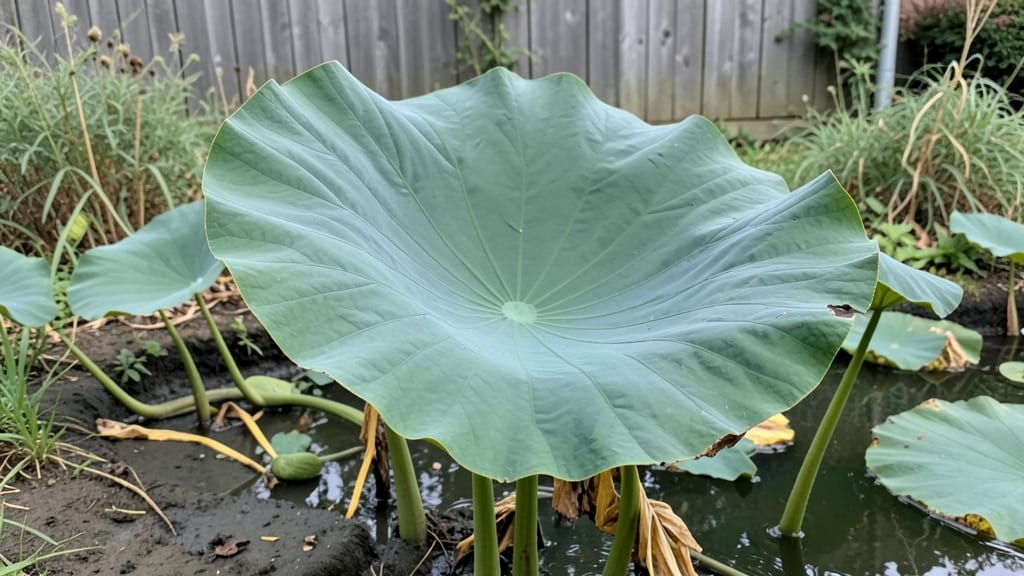
Creating a pollinator haven with Victoria’s native plants turns your garden into a buzzing, blooming ecosystem that never loses its charm. 🌿 I’ve designed my own with a mix of shrubs, perennials, and ground covers that attract bees, butterflies, and hummingbirds year-round while keeping the color palette vibrant from spring to frost.
The beauty of Victoria’s native plants is they’re built for resilience—drought-tolerant, low-maintenance, and perfectly adapted to coastal or temperate climates. Think sword ferns for texture, coastal banksias for structure, and native violets for delicate ground cover.
These plants thrive with minimal fuss while supporting local wildlife in ways non-native species can’t.
By mid-summer, your garden will burst with deep purples, sunny yellows, and soft pinks, all while hummingbirds dart between blooms and bees pack pollen. The best part?
These plants require no special soil—just good drainage and occasional pruning to keep them lush. Even small spaces can become thriving pollinator hubs with the right combinations.
Whether you’re going for a wild cottage garden or a structured native bushland look, these plants deliver season-long interest without the high upkeep. Start with just three or four varieties, and watch your garden transform into a living tapestry of color and life.
📚 In This Guide
- What you need
- Instructions
- Tips and common mistakes
- Wrapping up and next steps
What you need
- ● Native Victoria plants: 3–5 varieties (e.g., Echinacea purpurea coneflower, Rudbeckia hirta [black-eyed Susan], Asclepias tuberosa butterfly weed, Monarda fistulosa bee balm, Liatris spicata blazing star). Quantities depend on space—aim for 3–5 plants per 100 sq. ft.
- ● High-quality native soil mix: 1–2 bags (or amend existing soil with compost for better drainage).
- ● Organic fertilizer: Slow-release, low-phosphorus (e.g., fish emulsion or compost tea).
- ● Mulch: 1–2 bags (shredded bark or straw to retain moisture).
- ● Garden tools: Trowel or hand shovel
- ● Pruning shears (for shaping)
- ○ Garden gloves (optional but recommended!)
- ● Pollinator-friendly accessories: Bird feeder or bat house (to attract natural pest controllers 🦋)
- ● Small water feature (a shallow dish with rocks for butterflies to sip from)
- ● Support structures: Stakes or cages for taller plants (e.g., Liatris).
- ● Seasonal blooms: Add 1–2 annuals (e.g., Zinnia or Cosmos) for extra color.
How to create a pollinator haven with Victoria’s season-long blooms
Victoria’s gardens thrive when they attract pollinators year-round—here’s how to design a vibrant, functional space that keeps bees, butterflies, and hummingbirds visiting.
🌱 Step 1: Select Native Perennials for Year-Round Interest
Start with Victoria’s top pollinator plants: black-eyed Susan (Rudbeckia hirta), purple coneflower (Echinacea purpurea), and bee balm (Monarda didyma). These perennials bloom from early summer through fall, providing nectar when many gardens go dormant. I always pair them with salvia (Salvia nemorosa) for early spring color and goldenrod (Solidago spp.) for late-season support.
Choose varieties with different bloom times—‘May Night’ salvia opens in May, while ‘Becky’ purple coneflower stretches blooms into October. Plant them in clusters of 3-5 plants per variety to create visual impact and ensure continuous nectar flow. Native plants require less water once established, making them low-maintenance workhorses for pollinators.
☀️ Step 2: Design for Sun Exposure and Layered Height
Pollinators need full sun (6+ hours daily) to thrive, so orient your garden toward the south or west. I arrange plants in three height tiers: tall backdrops like Joe Pye weed (Eutrochium purpureum, 4-6 feet), mid-height bloomers such as bee balm (2-3 feet), and ground covers like creeping thyme (Thymus serpyllum) to fill gaps. This structure mimics natural ecosystems, giving pollinators easy access to flowers at all levels.
Leave 12-18 inches of space between plants to prevent overcrowding and disease. Mulch with 2-3 inches of shredded bark to retain moisture and suppress weeds—just avoid piling mulch against stems. Group plants by water needs: drought-tolerant salvias near the edge, moisture-loving bee balms closer to irrigation.
💧 Step 3: Install a Water Source for Pollinators
Add a shallow birdbath or saucer filled with 1-2 inches of water and pebbles for landing. I place mine in partial shade to prevent evaporation and add 3-4 smooth stones to create varied perching spots. Pollinators avoid deep water—keep the depth under 1 inch to prevent drowning. Refresh the water every 2-3 days or after heavy rain to prevent stagnation.
Position the water source 10-15 feet from flowering plants to create a "pollinator café" where they can drink and feed without predators lurking nearby. Add a small pump (if using a basin) for moving water—its sound attracts bees and butterflies. Avoid pesticides entirely in this zone; even "organic" sprays can harm pollinators.
✂️ Step 4: Maintain Blooms and Encourage Pollinator Visits
Deadhead spent blooms weekly to prolong flowering and signal plants to produce more nectar. For cone-shaped flowers like black-eyed Susans, simply snip the entire stem at the base. For flat-topped blooms like bee balm, pinch off individual flowers as they fade. This keeps the garden looking tidy while extending the season by 3-4 weeks.
Leave some seed heads standing in late fall—goldenrod and purple coneflower provide winter interest and food for finches. Avoid cutting back perennials until early spring (after the first frost) to protect overwintering insects. If you must prune, do it gradually over 2-3 weeks to minimize stress on pollinators.
🪴 Step 5: Add Seasonal Accents for Extended Color
Fill gaps between perennials with annuals like cosmos (Cosmos bipinnatus) and zinnia (Zinnia elegans) for summer-fall blooms, or pansies (Viola × wittrockiana) for early spring and fall color. I plant 5-7 cosmos seeds per 12-inch space—they self-seed readily and attract swarms of swallowtails. For winter interest, tuck in ornamental kale (Brassica oleracea) or heuchera (Heuchera spp.), which provide structure when perennials dorm.
Rotate annuals yearly to prevent soil depletion and introduce new pollinator favorites. For example, swap zinnia for sunflower (Helianthus annuus) in year two—its 3-4 foot height adds vertical interest and attracts bees early in the season. Always choose double-bloom varieties sparingly; single flowers produce more nectar.
Tips & tricks for perfect pollinator gardens
Creating a thriving pollinator garden isn't just about planting flowers—it's about designing an ecosystem that works for both you and the wildlife. Here are my key insights to maximize impact.
Native Plant Selection: Stick to Victoria's native plants like black-eyed Susan and purple coneflower—they've evolved alongside local pollinators for millennia. I've seen monarch butterflies completely ignore non-native flowers like petunias, even when they're in full bloom. For maximum effectiveness, group your 3-5 plants per variety in clusters rather than scattering them. This creates visual cues for pollinators and mimics natural plant communities where individual species grow in dense patches.
Sunlight Strategy: The 6+ hours of full sun requirement is non-negotiable for most pollinator plants. I've learned this the hard way—my shade-loving impatiens attracted zero bees while my sun-loving salvias were buzzing within days. Position your garden toward the south or west for optimal sunlight exposure. For partial shade areas, consider adding heuchera or ornamental kale as winter interest plants that tolerate less sun.
Water Source Design: That 1-2 inch shallow water source with pebbles isn't just decorative—it's a lifesaver for pollinators during dry spells. I recommend placing it in partial shade to reduce evaporation and adding those 3-4 smooth stones for varied perching options. The moving water from a small pump creates a sound that actually attracts bees and butterflies—it's like a dinner bell for pollinators! Refresh the water every 2-3 days to prevent mosquito breeding while keeping it safe for beneficial insects.
Seasonal Layering: The key to year-round interest lies in strategic layering. Start with early bloomers like 'May Night' salvia, then transition to summer favorites like bee balm, and finish with late-season stars like goldenrod. I've found that adding cosmos seeds (5-7 per 12-inch space) creates a self-sustaining system—they self-seed readily and attract swallowtails. For winter structure, include heuchera varieties that provide evergreen foliage when perennials go dormant.
Pro Tips for Plants Of Victoria
- Creating a thriving pollinator garden isn't just about planting flowers—it's about designing an ecosystem that works for both you and the wildlife.
- Native Plant Selection: Stick to Victoria's native plants like black-eyed Susan and purple coneflower—they've evolved alongside local pollinators for millennia.
- Sunlight Strategy: The 6+ hours of full sun requirement is non-negotiable for most pollinator plants.
Frequently asked questions
What are the easiest pollinator-friendly plants to grow in Victoria?
Start with Mexican Bush Sage (Salvia leucantha), Blackfoot Daisy (Melampodium leucanthum), or Autumn Sage (Salvia greggii). These thrive in Victoria’s heat, require minimal water, and attract bees, butterflies, and hummingbirds year-round. Pro tip: Pair them with native grasses like Gulf Muhly (Muhlenbergia capillaris) for texture and movement!
When is the best time to plant these in Victoria?
For spring bloomers (like Bluebonnets), plant in September–October. Fall/winter favorites (e.g., Mexican Feather Grass) go in November–January. Avoid peak summer (June–August) unless you’re planting heat-tolerant perennials like Desert Marigold (Baileya multiradiata), which love the dry conditions. Pro tip: Mulch after planting to retain moisture!
How do I attract more pollinators to my Victoria garden?
Plant in clusters (pollinators follow color!), include native milkweed for monarchs, and avoid pesticides. Add a water source like a shallow dish with pebbles. Lantana and Turk’s Cap (Malvaviscus arboreus) are pollinator magnets—just watch for hungry butterflies on your veggie garden! Pro tip: Let some leaves stay; caterpillars need them too!
Do these plants need a lot of water once established?
Most Victoria-native plants are drought-tolerant once rooted! Water deeply 1–2 times/week for the first month, then taper to every 2–3 weeks (or when soil is bone-dry). Succulents (like Agave) and cacti need almost none—just occasional misting. Pro tip: Group plants with similar water needs to simplify care!
What if my plants aren’t blooming as much as I hoped?
Check for over-fertilizing (native plants often thrive with zero fertilizer), shade (most need 6+ hours of sun), or pests (aphids/scale can stress plants). Prune deadheading spent blooms to encourage new growth. Salvias may need a light trim after flowering to rebloom. Pro tip: Test your soil—Victoria’s alkaline soil might need a gypsum boost!
Wrapping up and next steps
Victoria’s native plants aren’t just stunning—they’re a lifeline for pollinators and a year-round splash of color that transforms any garden into a thriving ecosystem. 🌸 From hardy shrubs like Grevillea to delicate perennials such as Correa, these plants prove that beauty and biodiversity go hand in hand.
Whether you’re a seasoned gardener or just starting out, adding these blooms to your space is a rewarding way to support local wildlife and create a vibrant, low-maintenance landscape.
Ready to take the next step? Start small—pick one or two plants from our list, gather your supplies, and watch your garden buzz with life! 🐝 For more inspiration, explore Victoria’s native plant nurseries or join a local gardening group to swap tips and seeds.