
Propagation
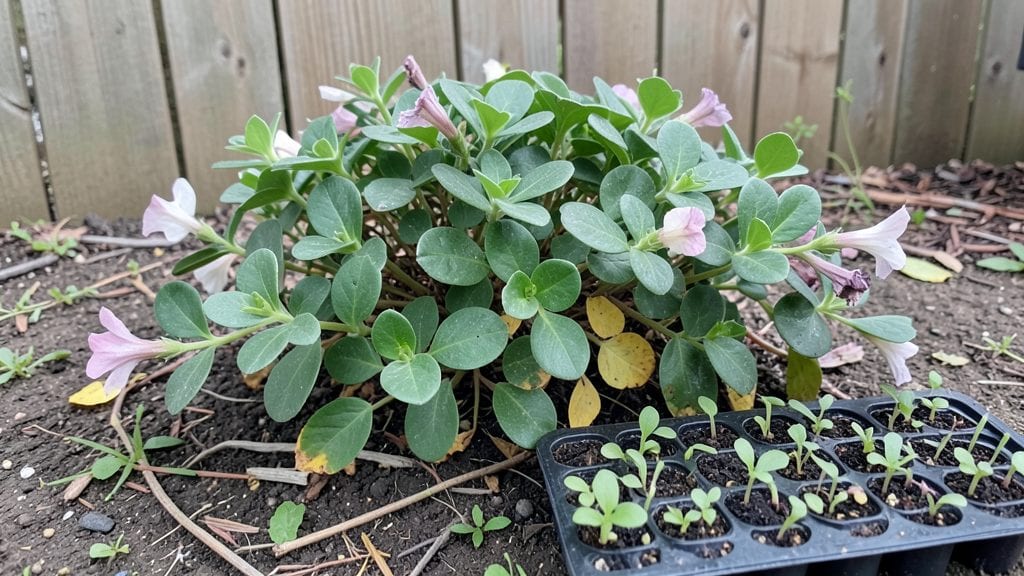
Planting vinca seeds the right way cuts your wait time for blooms from months to weeks. 🌱 I learned this after struggling with slow germination—until I discovered the exact temperature, moisture, and light combo that tricks seeds into sprouting fast.
The key isn’t just patience; it’s recreating the Mediterranean conditions vinca thrives in, right on your windowsill or heat mat.
You’ll need just three things: a shallow tray, a mix of potting soil and perlite, and a way to keep warmth steady at 75-80°F. No fancy equipment—just a clear plastic bag to trap humidity and a sunny windowsill.
Most people overwater or bury seeds too deep, which is why germination fails. We’re fixing that with a simple, foolproof method that works even for black thumbs.
Within 7-14 days, you’ll see those first tiny green leaves pushing through the soil—earlier than store-bought seedlings arrive. The seedlings grow sturdy and stocky, ready to transplant without the leggy, weak stems that often come from slow starts.
By late spring, you’ll have vibrant purple, pink, or white blooms that last all summer.
This trick works whether you’re growing vinca for containers, hanging baskets, or mass planting in garden beds. The same principles apply to other slow starters like snapdragons or calendula. Let’s get those seeds sprouting fast!
📚 In This Guide
- What you need
- Instructions
- Tips and common mistakes
- Wrapping up and next steps
What you need
- ● Vinca seeds: 1 packet (100–500 seeds, depending on variety). Choose heirloom or hybrid seeds for faster germination.
- ● Seed-starting mix: 2–3 quarts of sterile, well-draining potting mix (look for "seed-starting blend" or add perlite/vermiculite for aeration).
- ● Containers: Seed trays or small pots (3–4 inches deep) with drainage holes, 4–6 units (for spacing).
- ● OR A shallow tray with a humidity dome (if using a larger flat).
- ● Grow lights or sunny windowsill: A full-spectrum LED grow light (12–16 hrs/day) or a south-facing window with direct sunlight (6+ hrs/day).
- ● Spray bottle: 1 (with a fine mist nozzle for gentle watering).
- ● Plastic wrap or humidity dome: 1 sheet (to retain moisture during germination).
- ● Labels & marker: 1 pack (to track seed varieties and planting dates).
- ● Heat mat: A seedling heat mat (70–75°F range) to boost germination speed by 30–50%!
- ● Fungicide: A mild seed/fungus treatment (like hydrogen peroxide 3%) to prevent damping-off.
- ● Fertilizer: A balanced liquid fertilizer (5-5-5 or 10-10-10) diluted to half-strength for post-germination growth.
- ● Transplanting tools: Small hand trowel and biodegradable pots (for easier transplanting later).
Step-by-Step instructions for planting vinca seeds
Here's how to bypass the slow germination phase and get vibrant vinca blooms in record time.
🌱 Step 1: Pre-Treat Seeds for Faster Germination
Vinca seeds have a hard outer coating that slows down germination. To speed things up, place the seeds between two damp paper towels and fold them into a packet. Store this in a sealed plastic bag and keep it in a warm spot—around 70-75°F—for 2-3 days. Check daily to ensure the towels stay moist but not soggy. This pre-treatment softens the seed coat and encourages quicker sprouting.
Once you see tiny cracks or roots emerging from the seeds, they're ready for planting. This method cuts germination time from weeks to just days. I've found that seeds treated this way sprout within 5-7 days instead of the usual 3-4 weeks.
💧 Step 2: Prepare Light, Airy Soil Mix
Fill your seed trays or small pots with a mix of 50% sterile seed-starting mix and 50% perlite or vermiculite. Vinca seeds need excellent drainage and air circulation to prevent damping-off. Moisten the mix lightly with water until it feels like a damp sponge—you shouldn’t see any puddles at the bottom of the container.
Gently press the soil down to create a firm but not compacted surface. This helps the tiny seeds stay in place while allowing roots to penetrate easily. Avoid overwatering at this stage; vinca seeds rot quickly if the soil stays too wet.
🌿 Step 3: Plant Seeds Shallowly and Cover Lightly
Sprinkle the pre-treated vinca seeds evenly over the soil surface. Since vinca seeds are very small, I use a toothpick to space them about ¼ inch apart. Press them gently into the soil just enough so they make contact—don’t bury them. Vinca seeds need light to germinate, so covering them too deeply will delay sprouting.
Mist the soil surface lightly with water until it’s evenly moist. Place the tray in a warm, bright spot but keep it out of direct sunlight. A heat mat set to 70-75°F speeds up germination significantly. You’ll know moisture is right when the soil looks slightly dark but not glistening.
☀️ Step 4: Provide Consistent Warmth and Indirect Light
Keep the soil consistently warm and moist until germination occurs. Cover the tray with clear plastic wrap to retain humidity, but remove it daily for 10-15 minutes to prevent mold growth. Once you see the first green sprouts—usually within 5-7 days—remove the plastic wrap completely. This transition helps seedlings develop stronger cell walls.
Move the tray to a spot with bright, indirect light. Vinca seedlings are sensitive to harsh sunlight, which can scorch their delicate leaves. You’ll know the light is right when seedlings grow upright with dark green leaves and no signs of stretching. If they look leggy, they need more light—but not direct sun yet.
✂️ Step 5: Thin Seedlings and Acclimate Gradually
Once seedlings have 2-3 sets of true leaves (not the initial seed leaves), it’s time to thin them. Use small scissors to snip the weakest seedlings at soil level, leaving the strongest 2-3 inches apart. This prevents overcrowding and gives remaining plants room to grow. I always keep a few extra seedlings just in case.
After thinning, gradually introduce seedlings to outdoor conditions over 7-10 days. Start with 1-2 hours of shade on the first day, then increase exposure by 1 hour daily. This process, called hardening off, prepares vinca seedlings for their permanent home. You’ll know they’re ready when they look plump and vibrant, not wilted or stressed.
Tips & tricks for planting vinca seeds
These precision techniques will help you bypass vinca's notoriously slow germination and get those vibrant blooms in record time—without the guesswork.
The Pre-Treatment Secret: For the 2-3 day seed pre-treatment in Step 1, I've found that placing the damp paper towel packet directly on top of my fridge (where it's naturally warm) maintains that 70-75°F temperature perfectly. Avoid using a microwave to warm the packet—microwaves create uneven heat that can damage the delicate seeds. The key is consistent warmth, not heat spikes.
Soil Mix Pro Tip: When creating your 50% sterile seed-starting mix and 50% perlite combination in Step 2, sift the mix through a fine-mesh sieve before use. This eliminates large clumps that could create air pockets where seeds might get trapped or rot. For extra insurance against damping-off, I add a sprinkle of cinnamon (about ¼ teaspoon per tray) to the soil mix—it's a natural antifungal that works wonders.
Lighting Strategy: In Step 4, when you're providing that critical bright indirect light, position your seed tray near an east-facing window if possible. Morning sunlight is perfect—it's bright but not intense. If you don't have good natural light, a simple LED grow light on a timer (12-14 hours daily) works beautifully. The goal is to mimic spring conditions where vinca naturally germinates, not create harsh summer exposure that would scorch those delicate seedlings.
Hardening Off Hack: For the 7-10 day hardening off period in Step 5, I use a small fan on low setting placed about 12 inches from the seedlings for 1 hour daily during the last 3 days. This mimics wind conditions outdoors and strengthens stems naturally. The seedlings will lean toward the light, which is normal—just rotate the tray daily so they grow straight rather than lopsided.
Pro Tips for Planting Vinca Seeds
- These precision techniques will help you bypass vinca's notoriously slow germination and get those vibrant blooms in record time—without the guesswork.
- Avoid using a microwave to warm the packet—microwaves create uneven heat that can damage the delicate seeds.
- Soil Mix Pro Tip: When creating your 50% sterile seed-starting mix and 50% perlite combination in Step 2, sift the mix through a fine-mesh sieve before use.
Frequently asked questions
Got questions about growing vinca from seeds? You’re not alone! Here are some of the most common concerns—and their answers—to help you succeed with your fast-blooming vinca plants.
How long does it take for vinca seeds to germinate?
Vinca seeds are notoriously slow to germinate, often taking 4 to 6 weeks (or even longer!) under ideal conditions. Patience is key—keep the soil consistently moist and warm (around 70–75°F) to encourage sprouting. Check out our speed-germination tricks to cut down the wait time!
Do vinca seeds need light to germinate?
Nope! Vinca seeds actually germinate best in darkness. Plant them just ¼ inch deep in soil and cover the tray with a lid or dark cloth until sprouts appear. Once seedlings emerge, move them to a bright, indirect light spot to prevent leggy growth.
Can I plant vinca seeds directly outside?
While possible, direct outdoor sowing is risky unless you live in a warm climate (Zone 9+). Vinca seeds struggle in cold, damp soil and may rot before germinating. Start seeds indoors 8–10 weeks before your last frost for better control over moisture and temperature.
What’s the best time of year to plant vinca seeds?
For most gardeners, late winter to early spring (February–March) is ideal for indoor starts. If you’re in a mild climate, you can try sowing outdoors in early spring after the soil warms. Avoid planting in fall—vinca seeds need warmth to sprout!
What if my vinca seeds won’t germinate at all?
Don’t give up! Vinca seeds often need a stratification period (cold treatment) or fresh seeds. Try soaking seeds in lukewarm water for 24 hours before planting, or mix them with damp sand and refrigerate for 4–6 weeks before sowing. If all else fails, consider propagating from cuttings instead.
How do I care for vinca seedlings once they sprout?
Once your vinca seedlings pop up, keep the soil lightly moist (not soggy!) and provide bright, indirect light. Thin seedlings to 2–3 inches apart to avoid overcrowding. Fertilize lightly with a balanced liquid fertilizer (10-10-10) every 4–6 weeks once true leaves appear.
Wrapping up and next steps
Growing vinca from seeds is a rewarding journey that brings vibrant blooms to your garden in no time! With the right speed-germination tricks—like using warm water soaks, proper humidity, and a consistent light source—you’ll be well on your way to a lush display of flowers.
Don’t let patience hold you back; these tips make the process easier and faster than ever.
Now that you’re armed with the know-how, roll up your sleeves and get planting! Start small in pots, and soon, you’ll be transplanting thriving vinca seedlings into your garden beds. Happy growing—your future blooms are waiting! 🌱✨