
Shrubs
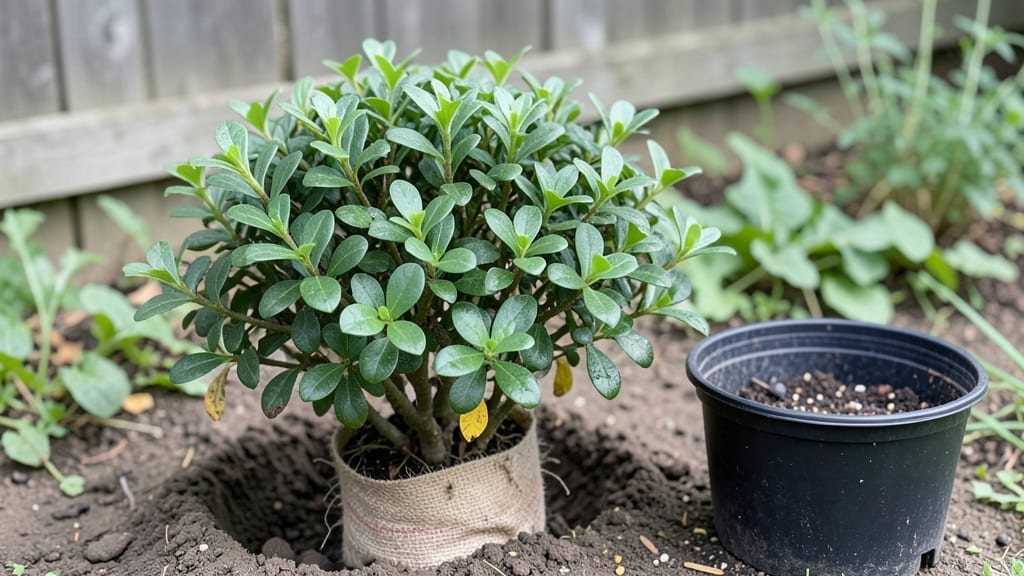
Planting shrubs in planters lets you create lush, low-maintenance greenery even on balconies or patios. 🌿 I learned the hard way that not all shrubs thrive in containers—some need room to stretch their roots, while others adapt beautifully with the right setup.
The key is matching the shrub to its pot, just like choosing the right shoes for a long walk.
You’ll need containers with drainage holes (at least 12 inches deep for most shrubs), well-draining potting mix, and a sunny spot. Dwarf varieties like boxwood, lavender, or compact azaleas are perfect starters—they stay small but pack big impact.
Avoid heavy, clay soil; lightweight mixes keep roots happy and prevent soggy roots that lead to rot.
Once planted, water deeply until it drains from the bottom, then let the top inch dry before watering again. Shrubs in containers dry out faster than in-ground plants, so check soil moisture often.
Within a few weeks, you’ll see new growth—proof you’ve given them the right home. The best part? No weeds, no digging, just easy care and instant curb appeal.
If leaves yellow or growth stalls, it’s often a sign of root-bound stress or nutrient hunger. Upgrade to a larger pot or fertilize lightly with a balanced formula.
With the right shrubs and care, your planters will stay vibrant for years, turning small spaces into green oases. Ready to get started?
📚 In This Guide
- What you need
- Instructions
- Tips and common mistakes
- Wrapping up and next steps
What you need
- ● Planters: 1–2 containers per shrub (size depends on shrub type—check root ball dimensions). Pro tip: Ensure containers have drainage holes (or add a layer of gravel at the bottom!).
- ● Potting soil: 1–2 bags of high-quality, well-draining container mix (avoid garden soil—it compacts!).
- ● Shrubs: 1–3 young shrubs (bare-root or container-grown, depending on preference).
- ● Mulch: 1 bag of organic mulch (e.g., bark chips or shredded leaves) to retain moisture.
- ● Garden gloves (1 pair) – Protects hands from thorns or rough bark.
- ● Trowel or small shovel (1) – For digging and transplanting.
- ● Watering can or hose with spray nozzle – Gentle watering prevents soil erosion.
- ○ Measuring tape or ruler (optional) – Ensures proper spacing between plants.
- ● Sunlight assessment: Know your planter’s light exposure (full sun, partial shade, etc.) and choose shrubs accordingly.
- ● Weather check: Plant on a cool, cloudy day or in early morning/evening to reduce stress on shrubs.
- ● Space planning: Sketch a rough layout if using multiple planters for aesthetics.
- ● Slow-release fertilizer (follow package instructions).
- ● Support stakes (for tall or leggy shrubs).
- ● Decorative stones or pebbles (for a polished look).
Step-by-Step instructions for planting shrubs in planters
Here's how to turn your balcony or patio into a thriving shrub garden—no yard needed.
🪴 Step 1: Choose the Right Planters for Your Shrubs
Shrubs need room to grow, so pick containers that are at least 12-18 inches deep and 12-18 inches wide for each plant. Larger shrubs like hydrangeas or boxwoods need 20+ gallon pots to avoid root-binding. I always check the mature size of the shrub—if it grows 3-4 feet tall, a 15-gallon container is the minimum.
Drainage is non-negotiable. If your planter lacks holes, drill ¼-inch holes in the bottom and cover them with landscape fabric to keep soil in while letting water out. Elevate the planter on pot feet or bricks to improve airflow around the roots—this prevents soggy soil that rots roots.
🌱 Step 2: Prepare the Potting Mix for Healthy Roots
Fill the bottom 2-3 inches of the planter with a fast-draining mix—I blend 50% potting soil, 30% perlite, and 20% compost for the best balance. This prevents compaction and keeps roots from suffocating. Avoid garden soil—it’s too dense and stays wet too long in containers.
Moisten the mix with warm water until it’s damp like a wrung-out sponge. You’ll know it’s right when water drips out the drainage holes but doesn’t pool. This step ensures roots get oxygen from the start—skipping it leads to weak, stunted growth.
☀️ Step 3: Plant Shrubs at the Correct Depth
Remove the shrub from its nursery pot and loosen the roots if they’re circling. Dig a hole twice as wide as the root ball but no deeper—planting too deep suffocates the stem. Place the shrub in the hole so the top of the root ball sits ½ inch below the planter’s rim. This prevents soil from washing over the roots during watering.
Backfill with the potting mix, pressing gently to remove air pockets. Water deeply until it runs out the drainage holes—this settles the soil and eliminates gaps. I tap the planter’s sides lightly to encourage the mix to fill voids around the roots.
💧 Step 4: Water and Mulch for Long-Term Success
After planting, water again until ½ inch of water drains out. Shrubs in containers dry out faster than in-ground plants, so I set up a drip irrigation system or watering can with a narrow spout to target the soil directly. Avoid wetting the leaves—this invites fungal diseases like powdery mildew.
Top with 2 inches of mulch (like pine bark fines) to lock in moisture and regulate temperature. Keep the mulch 2 inches away from the stem—piling it against the trunk causes rot. This layer also suppresses weeds, which compete for nutrients in small containers.
✂️ Step 5: Prune and Maintain for Compact Growth
Trim back any broken or leggy branches right after planting to encourage bushier growth. Use clean, sharp pruners and cut at a 45-degree angle just above a leaf node. This redirects energy to fill out the shrub’s shape instead of growing tall and sparse.
Fertilize lightly with a balanced, slow-release fertilizer (like 10-10-10) every 6-8 weeks during the growing season. Over-fertilizing burns roots in containers—stick to the recommended dose. Monitor the soil moisture weekly; water when the top inch feels dry.
Tips & tricks for perfect shrub planting in containers
Here's what I've learned from years of transforming balconies into lush shrub gardens—these tricks make all the difference for healthy, thriving plants.
Container Size Matters: In Step 1, I can't stress enough how critical those 12-18 inch dimensions are. I've seen people use undersized pots where shrubs outgrow their containers within a season, leading to stunted growth. For every 1 inch of plant height, you need at least 1 gallon of soil volume. That's why I always double-check the mature size label at the nursery—it's the only way to avoid root-binding.
Drainage is Non-Negotiable: When you're drilling those ¼-inch holes in Step 1, don't just drill a few—aim for 4-6 holes spaced evenly around the bottom. I cover them with landscape fabric to prevent soil loss while still allowing water to escape. Pro tip: Elevate your planter on pot feet or bricks to create a 1-inch gap underneath—this improves airflow and prevents waterlogging that causes root rot.
Root Ball Placement Technique: In Step 3, when you're positioning that root ball, here's a trick I learned: Gently squeeze the sides of the root ball before planting. If it feels rock-hard, the roots are already circling—soak it in room-temperature water for 10 minutes to loosen them up. The goal is to have the top of the root ball sit ½ inch below the rim, but don't bury it deeper than that or you'll suffocate the stem.
Mulching Like a Pro: That 2 inches of mulch in Step 4 isn't just for looks—it's a game-changer. I use pine bark fines because they break down slowly, adding organic matter to the soil. The key is keeping that mulch 2 inches away from the stem to prevent rot. For extra insurance, I add a 1-inch layer of gravel right against the stem before the mulch—this creates a moisture barrier that keeps the base dry.
Pro Tips for Planting Shrubs In Planters
- Here's what I've learned from years of transforming balconies into lush shrub gardens—these tricks make all the difference for healthy, thriving plants.
- Container Size Matters: In Step 1, I can't stress enough how critical those 12-18 inch dimensions are.
- Drainage is Non-Negotiable: When you're drilling those ¼-inch holes in Step 1, don't just drill a few—aim for 4-6 holes spaced evenly around the bottom.
Frequently asked questions
Got questions about planting shrubs in planters? You’re not alone! Here are some common concerns—and expert answers—to help you grow with confidence.
What’s the best soil mix for shrubs in planters?
Use a well-draining potting mix blended with 20-30% perlite or compost to improve aeration. Avoid garden soil—it compacts in containers, suffocating roots. For acid-loving shrubs (like azaleas), add peat moss or pine bark fines.
When is the ideal time to plant shrubs in containers?
Plant in early spring or fall when temperatures are mild (50–75°F). Avoid extreme heat or frost, which stress roots. Containerized shrubs can be planted year-round in warm climates, but watering consistency is key!
Can I reuse old planters for shrubs?
Yes! Clean and disinfect old containers with a 10% bleach solution to kill pests/diseases. Ensure drainage holes are unclogged. Terracotta dries faster (great for drought-tolerant shrubs), while plastic retains moisture longer.
Why are my planter shrubs wilting even with regular watering?
Overwatering or poor drainage are top culprits. Check for root rot (black, mushy roots) or soggy soil. Shrubs in containers dry out faster—water when the top 1–2 inches of soil feels dry. Adjust planter size: smaller shrubs need 12–18" depth.
What’s a low-maintenance shrub for beginners?
Try dwarf boxwoods, lavender, or Russian sage—they thrive in containers with minimal fuss. Dwarf gardenias (with acidic soil) or creeping thyme (edible!) are also great. Just ensure they match your planter’s sunlight needs (e.g., lavender = full sun).
Wrapping up and next steps
Planting shrubs in planters is a fantastic way to bring greenery and charm to small spaces—whether it’s a balcony, patio, or tiny yard! 🌿 With the right container size, soil mix, and care routine, your shrubs will thrive and become the star of your outdoor (or indoor!) oasis.
Remember, patience and consistency are key—soon, you’ll be enjoying lush, healthy plants that add beauty and value to your home.
Ready to get started? Pick your favorite shrubs, grab your planters, and dive in! For extra inspiration, browse container gardening guides or check out shrub care tips to keep your green thumbs growing. Happy planting! 🌱