
Planting
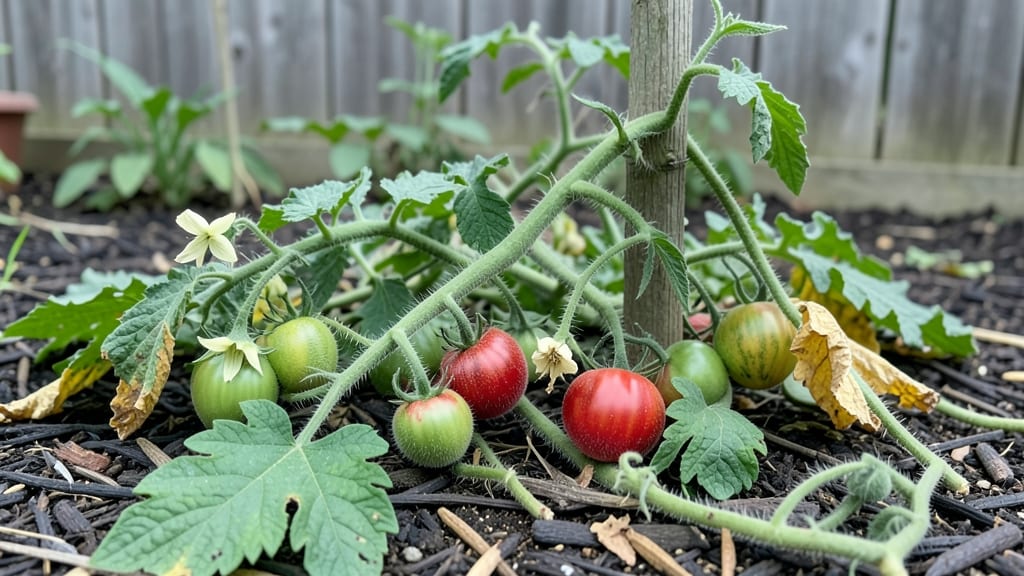
Growing a hillbilly tomato plant means you get cold-hardy, flavor-packed tomatoes even in tight spaces. 🌱 I’ve grown this variety for three seasons now, and it thrives where other tomatoes struggle—my balcony in Zone 5 proves it.
The secret lies in its compact growth habit and tolerance for cooler temperatures, making it perfect for small gardens or containers.
This tomato doesn’t need a greenhouse or a long growing season to deliver. Start with well-draining soil mixed with compost, and plant after your last frost date—though it can handle light frosts better than most varieties.
Give it full sun (at least 6-8 hours daily) and consistent moisture, but avoid soggy roots. Pruning keeps the plant focused on fruit production rather than excessive foliage, and staking or caging supports its bushy growth.
By midsummer, you’ll be harvesting tomatoes with a rich, meaty texture and deep flavor—far superior to store-bought. The plants stay productive until frost, and their compact size means you can grow multiple varieties in small spaces. With minimal effort, you’ll enjoy a harvest that rivals heirlooms, even in less-than-ideal conditions.
Whether you’re working with a windowsill, balcony, or small garden bed, this variety adapts easily. The key is patience—give it time to establish roots before expecting heavy yields. Once it does, you’ll wonder why you ever grew anything else.
📚 In This Guide
- What you need
- Instructions
- Tips and common mistakes
- Wrapping up and next steps
What you need
- ● Growing your own hillbilly tomato plant is a rewarding experience, especially if you're working with limited space or cooler climates! Here’s what you’ll need to get started:
Step-by-step guide to growing hillbilly tomatoes in small spaces
This cold-hardy variety thrives where others fail—here’s how to coax the most from limited room.
🌱 Step 1: Start Seeds Indoors with Warmth
Fill the 4-cell seed starter tray with the 1 quart seed-starting mix and moisten it until damp but not soggy. Press the mix down gently so it’s firm but not compacted. Plant 2 Hillbilly tomato seeds per cell, about ¼ inch deep, since these seeds germinate best in warmth. Cover the tray with a plastic humidity dome and place it on the seedling heat mat set to 75-85°F.
Keep the soil consistently moist—don’t let it dry out, but avoid soggy conditions. Seeds should sprout in 7-10 days. Once they do, remove the dome immediately to prevent damping-off. You’ll know it’s time when the first tiny green leaves push through the soil.
☀️ Step 2: Provide Light and Prevent Leggy Growth
Move the seedlings under the grow light as soon as they emerge, positioning it 2-3 inches above the plants. Hillbilly tomatoes need 14-16 hours of light daily to stay strong. Raise the light gradually as the seedlings grow—if they stretch toward it with thin, pale stems, they’re begging for more intensity.
After 3-4 weeks, when the seedlings have 2-3 sets of true leaves, transplant them into the 4 individual 5-inch pots filled with the 4 quarts potting mix. Gently loosen the roots before placing them in the new containers to avoid shocking the plants. Water thoroughly after transplanting.
🪴 Step 3: Harden Off and Transition to Containers
Two weeks before your last frost date, start hardening off the seedlings. Place them outside in a shaded, sheltered spot for 1-2 hours the first day, gradually increasing their time outdoors by 1 hour daily. By day 10, they should tolerate a full day outside without wilting.
Once hardened off, move the 5-inch pots into their final 1-gallon containers filled with the 4 quarts potting mix. Hillbilly tomatoes love warmth and need full sun (6+ hours daily). If you’re in a cooler climate, place the pots on a heat mat or near a sunny window to keep roots cozy.
💧 Step 4: Water and Fertilize for Cold Resistance
Water the plants deeply every 2-3 days, ensuring the top inch of soil feels dry before adding more. Hillbilly tomatoes are drought-tolerant but still need consistent moisture—especially when fruits start forming. Use the 1 quart liquid fertilizer every 2 weeks once the plants are established to boost cold resistance and fruit production.
Watch for first flowers in 6-8 weeks after transplanting. Pinch off the early blossoms if the plants look stressed—they’ll produce more robust fruit later. Once fruits appear, reduce watering slightly to concentrate flavor, but never let the soil dry out completely.
✂️ Step 5: Prune and Support for Maximum Yield
Use the 1 tomato cage per plant to provide support as the vines grow. Hillbilly tomatoes can get bushy, so prune suckers (the small shoots between the stem and branches) regularly to direct energy into fruit production. Remove any leaves touching the soil to prevent disease.
Harvest when tomatoes turn deep red and feel slightly soft to the touch. You’ll get 4-6 tomatoes per plant in small spaces, but with proper care, they’ll be sweeter and more flavorful than store-bought. Enjoy your cold-resistant, homegrown Hillbilly tomatoes—perfect for small gardens or containers!
Tips & tricks for perfect hillbilly tomato growth in small spaces
Here's what nobody tells you about growing these cold-hardy tomatoes successfully in limited space.
Heat Mat Placement: Position your seedling heat mat on a stable, level surface away from drafts. I learned this the hard way after my first batch of seeds germinated unevenly because the mat kept sliding. Place it near a window for natural light during germination, but make sure the 75-85°F setting is maintained consistently. The dome helps trap heat, but don't let the soil get too warm—it should feel like a damp sponge, not a sauna.
Lighting Strategy: The 14-16 hours of light daily is non-negotiable for Hillbilly tomatoes. If your grow light flickers or dims, move it closer to the plants—those 2-3 inches can make all the difference. I use a timer to automate the light cycle, which saves me from remembering to turn it on and off. Watch for leggy seedlings (tall, thin stems) as a sign they need more intense light or less time under it.
Transplanting Timing: The 3-4 weeks mark for transplanting is ideal, but don't rush it. Your seedlings should have 2-3 sets of true leaves—those are the larger leaves that come after the initial seed leaves. When transplanting into the 5-inch pots, handle the roots gently. I find using a butter knife to loosen the roots helps prevent transplant shock. Water thoroughly after moving them to help settle the soil around the roots.
Container Selection: While the instructions mention 1-gallon containers, you can go up to 2 gallons if you want extra stability for larger plants. Just make sure each container has drainage holes—Hillbilly tomatoes hate soggy roots. I use fabric grow bags for better airflow, which helps prevent disease in crowded small spaces. Place containers on casters so you can easily rotate them toward the sun throughout the day.
Pro Tips for Hillbilly Tomato Plant
- Here's what nobody tells you about growing these cold-hardy tomatoes successfully in limited space.
- Heat Mat Placement: Position your seedling heat mat on a stable, level surface away from drafts.
- Lighting Strategy: The 14-16 hours of light daily is non-negotiable for Hillbilly tomatoes.
Frequently asked questions
Got questions about growing hillbilly tomato plants? You’re not alone! This cold-hardy variety is a game-changer for small gardens, but it’s natural to wonder about timing, care, and quirks. Here are answers to the most common queries to help you grow like a pro.
Can hillbilly tomatoes survive frost?
Yes! These tomatoes are bred for cold resistance, often tolerating light frosts (down to 25–30°F) without damage. However, heavy frost or prolonged cold (<20°F) can still harm them. Use row covers or move potted plants indoors if extreme cold is forecasted.
How long does it take for hillbilly tomatoes to produce fruit?
Expect your hillbilly tomato plant to bear fruit in 60–70 days from transplanting, depending on warmth and care. Early varieties may fruit sooner, while later ones might take a few extra weeks. Patience pays off—the first tomatoes are worth the wait!
Can I grow hillbilly tomatoes in containers?
These compact plants thrive in 5-gallon containers or larger, making them perfect for balconies, patios, or small yards. Just ensure the pot has drainage holes and use a high-quality potting mix. Bonus: Containers let you move plants to optimize sunlight or protect from frost.
What pests should I watch for with hillbilly tomatoes?
Like all tomatoes, hillbilly varieties can attract aphids, hornworms, and whiteflies. Inspect leaves regularly, and use neem oil or insecticidal soap for mild infestations. Birds might peck at ripening fruit—cover plants with netting if needed.
Are hillbilly tomatoes different in taste from regular tomatoes?
Not at all! They’re heirloom-style, meaning their flavor matches classic tomatoes—sweet, juicy, and slightly tangy. The real difference? Their hardiness and compact size. Perfect for sauces, salads, or slicing straight off the vine.
Can I plant hillbilly tomatoes in early spring?
Yes, but time it right! Start seeds 6–8 weeks before the last frost indoors, then transplant seedlings 2–3 weeks before your area’s average last frost date. These tomatoes can handle cooler soil, but wait until nighttime temps stay above 50°F for best results.
Wrapping up and next steps
Growing a hillbilly tomato plant is a rewarding adventure—whether you're a seasoned gardener or a beginner eager to try something new! These cold-resistant, space-saving varieties are perfect for small gardens, containers, or even urban balconies. With the right care, you’ll soon be harvesting juicy, flavorful tomatoes that outshine store-bought picks.
Ready to dive in? Start by gathering your supplies, then pick a sunny spot to plant. You’ve got this! 🌱 Next, share your progress or ask questions in gardening communities—every expert was once a beginner. Happy growing!