Trees
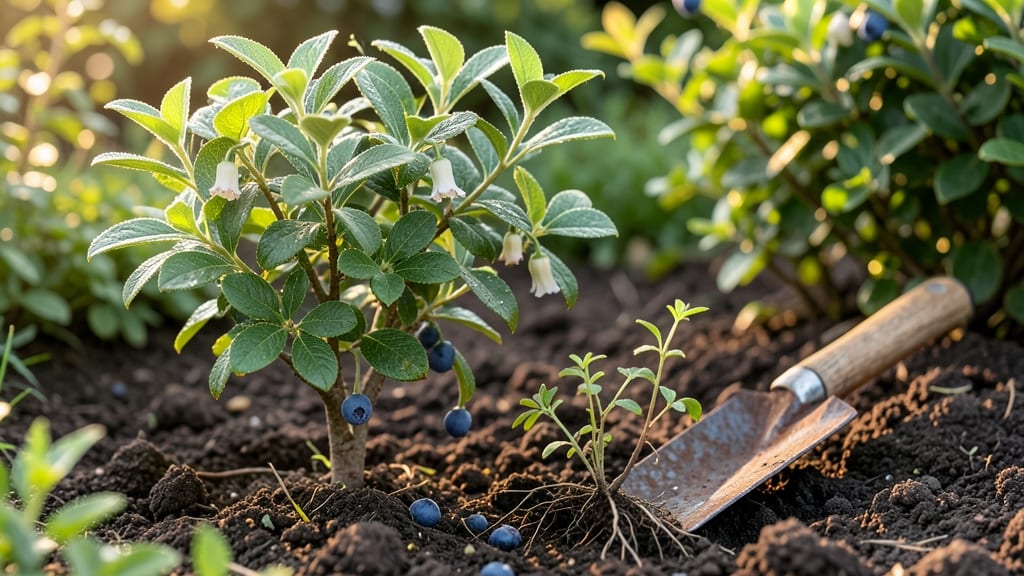
Planting blueberry trees gives you a year-round harvest of sweet, antioxidant-packed berries—if you get the soil and site just right. 🌿 I learned the hard way that regular garden soil won’t cut it; blueberries thrive only in acidic, well-draining soil with a pH between 4.5 and 5.5.
The first time I planted them in my backyard’s neutral soil, the bushes grew, but the berries stayed tiny and sour.
Start with the right variety: highbush types (like Bluecrop or Jersey) work in most climates, while lowbush (like Rancocas) are tougher but produce smaller harvests. Pick a sunny spot with at least 6 hours of direct light daily, and space plants 4–6 feet apart—they’ll spread over time.
The key to success? Amending the soil with peat moss or sulfur before planting, and mulching with pine needles to keep that critical acidity level.
After planting, water deeply once a week (more in dry spells) to encourage deep root growth, and avoid fertilizers with lime. Within 2–3 years, you’ll see full-sized bushes bursting with berries—no pesticides needed if you keep the area weed-free.
The first harvest might be modest, but each year, the bushes get better, and your neighbors will start asking for cuttings.
This method works for containers too—just use acidic potting mix and a 5-gallon pot for dwarf varieties. The biggest mistake? Skipping the soil test. Grab a pH kit from your local garden center, and you’ll avoid the disappointment of sour berries.
Ready to turn your yard into a blueberry patch?
📚 In This Guide
- What you need
- Instructions
- Tips and common mistakes
- Wrapping up and next steps
What you need
- ● Blueberry plants: 2–4 dwarf (3–4 ft) or semi-dwarf (5–6 ft) bushes (choose northern or southern varieties based on your USDA zone).
- ● Well-draining soil: Acidic (pH 4.5–5.5). Amend with peat moss or sulfur if needed (test kit recommended).
- ● Organic mulch: Pine needles (1–2 inches) or wood chips (avoid cedar—it’s toxic!).
- ● Fertilizer: Acid-loving plant fertilizer (e.g., 10-10-10 or 8-3-9 with micronutrients) or cottonseed meal (for organic growers).
- ● Tools: Trowel or spade
- ● Garden gloves
- ● Watering can or hose with soaker hose attachment
- ● Pruning shears (sterilized)
- ● Soil pH test kit: Ensures your soil is in the perfect acidic range.
- ● Epsom salt: Adds magnesium for healthier foliage (1 tbsp per bush annually).
- ● Drip irrigation system: Saves water and keeps roots consistently moist.
- ● Bird netting: Protects ripe berries from hungry feathered friends!
- ● Compost or worm castings: Boosts soil fertility naturally.
Step-by-step instructions for planting blueberry trees
Here's the foolproof method I've used to establish thriving blueberry bushes that produce for decades.
🌱 Step 1: Choose and Prepare the Planting Site
Blueberries demand acidic soil (pH 4.5-5.5)—test your soil first with a kit. If your yard isn't naturally acidic, amend with 2-3 pounds of sulfur per 100 square feet and mix it into the top 6 inches of soil 2-3 months before planting. They also need full sun (6-8 hours daily), so pick a spot with no afternoon shade.
Dig holes twice as wide as the root ball but only as deep—planting too deep suffocates roots. Loosen the sides of the hole with a shovel so roots can spread easily. If planting multiple bushes, space them 4-6 feet apart for dwarf varieties or 8-10 feet for standard-sized trees.
🪴 Step 2: Plant Bare-Root or Container-Grown Trees Correctly
For bare-root trees, soak the roots in lukewarm water for 2-4 hours before planting to revive them. Position the tree so the top of the root flare sits just above soil level—burying it too deep causes rot. Backfill with native soil mixed with 1 part peat moss to improve acidity and drainage.
If using container-grown trees, gently remove the plant and tease the roots at the bottom of the root ball. Place it in the hole so the soil line matches the container line—this prevents stem rot. Water deeply to eliminate air pockets, then spread 2-3 inches of pine needles or wood chips around the base to maintain acidity and retain moisture.
☀️ Step 3: Water and Mulch for First-Year Establishment
Water immediately after planting to settle the soil, then provide 1-2 inches of water weekly during the first growing season. Young roots are shallow, so water deeply but infrequently—soil should stay moist but not soggy. Avoid overhead watering to prevent fungal diseases like botrytis.
Apply 3-4 inches of mulch (pine straw or wood chips) around the base, keeping it 6 inches away from the trunk. Mulch prevents soil pH fluctuations and suppresses weeds, but don't pile it against the stem—this traps moisture and invites rot. Replenish mulch annually to maintain its protective layer.
✂️ Step 4: Prune and Fertilize for Long-Term Health
Prune in late winter or early spring before new growth begins. Remove dead, diseased, or crossing branches first, then thin out 10-20% of the oldest canes to encourage new growth. Never prune more than 30% of the plant in one season—blueberries are sensitive to aggressive pruning.
Fertilize in early spring with an acidic fertilizer (10-10-10 or 8-3-9), applying ½ pound per 100 square feet. Avoid high-nitrogen fertilizers—they promote leafy growth at the expense of fruit. Test soil annually and adjust pH if it drifts above 5.5 by adding more sulfur or peat moss.
🍓 Step 5: Protect and Pollinate for Fruit Set
Blueberries are self-pollinating but produce more fruit with cross-pollination. Plant at least two compatible varieties (like 'Bluecrop' and 'Duke') for better yields. Install bird netting at first signs of fruit swelling to prevent birds from stripping your harvest before it ripens.
Watch for blueberry maggot flies in late summer—remove infested fruit immediately and dispose of it in sealed bags. Avoid chemical sprays, as they harm pollinators. Harvest when berries are deep blue and plump, twisting gently to avoid damaging the plant. Never store unwashed berries—they'll mold faster.
Tips & tricks for perfect blueberry tree planting
These game-changing insights will help you avoid the most common pitfalls and set your blueberry bushes up for decades of success.
Soil Preparation Secret: The 2-3 months of advance soil amending with sulfur is non-negotiable for northern climates where soil naturally tests higher than pH 5.5. I've seen gardeners skip this step and struggle with stunted growth for years. Test your soil after amending—aim for that sweet spot between 4.5-5.5. If your yard has compacted soil, consider adding compost to improve structure while maintaining acidity. The goal is fluffy, well-draining soil that mimics the acidic forest floors where blueberries thrive naturally.
Root Revitalization Technique: That 2-4 hour soaking for bare-root trees isn't just about hydration—it's about reviving dormant roots. Use lukewarm water (never hot) and submerge the roots completely. After soaking, gently wiggle the roots to check for flexibility—they should bend slightly without snapping. If you're planting in cold weather, add a splash of rooting hormone to the water for extra insurance. I've had better survival rates with this simple addition during early spring plantings.
First-Year Watering Strategy: The 1-2 inches weekly guideline is perfect, but timing matters more than quantity. Water in the morning so foliage has all day to dry, preventing fungal infections. I use a rain gauge to track rainfall—if we get 1 inch naturally, I skip the supplementary watering that week. For container-grown trees, water immediately after planting and check soil moisture daily for the first week. The shallow root systems of young bushes can dry out surprisingly fast, even with mulch.
Pruning Precision: When thinning those 10-20% oldest canes in Step 4, look for canes that are thicker than a pencil—they're the most productive. Cut back to the base rather than making small cuts, as blueberries heal better from clean removals. I mark the canes I'll prune in late winter with colored tape so I don't forget during the actual pruning. And remember: never prune when the plant is under stress (drought, extreme heat) or during fruiting season—timing is everything for blueberry health.
Pro Tips for Planting Blueberry Trees
- These game-changing insights will help you avoid the most common pitfalls and set your blueberry bushes up for decade...
- Soil Preparation Secret: The 2-3 months of advance soil amending with sulfur is non-negotiable for northern climates ...
- Root Revitalization Technique: That 2-4 hour soaking for bare-root trees isn't just about hydration—it's about revivi...
Frequently asked questions
Got questions about planting blueberry trees?
You’re not alone! Here are answers to the most common queries to help you grow thriving bushes with ease.
What’s the best time of year to plant blueberry trees?
Plant your blueberry trees in early spring (after the last frost) or fall (4-6 weeks before the first hard freeze). This gives roots time to establish before extreme temperatures. Avoid planting in summer—heat stress can stunt growth.
How far apart should I space blueberry bushes?
Space standard blueberry bushes 4-6 feet apart in rows 8-10 feet apart. For dwarf varieties, reduce spacing to 3-4 feet between plants. Proper spacing ensures airflow, reduces disease risk, and makes harvesting easier!
Can I grow blueberry trees in containers?
Yes! Dwarf or semi-dwarf varieties (like ‘Top Hat’ or ‘Peach Sorbet’) thrive in containers (15-20 gallons minimum). Use well-draining soil mixed with peat or pine bark, and place pots in full sun. Just remember to water and fertilize regularly—container-grown bushes dry out faster!
Why are my blueberry leaves turning yellow?
Yellow leaves often signal overwatering, nutrient deficiency (like nitrogen or magnesium), or root rot. Check soil moisture—blueberries prefer slightly acidic, moist (not soggy) soil. Amend soil with peat moss or sulfur if pH is too high (ideal range: 4.5–5.5).
How long does it take for blueberry trees to bear fruit?
Most blueberry bushes take 2–3 years to produce fruit, but patience pays off! Dwarf varieties may fruit sooner (1–2 years). Prune regularly to encourage bushier growth and better yields. Pro tip: Plant multiple varieties for cross-pollination and bigger harvests!
Wrapping up and next steps
Planting blueberry trees is a rewarding journey that brings sweet, juicy rewards with just a little patience and care! 🌱 From selecting the right variety to nurturing your bushes with proper soil, sunlight, and water, every step plays a key role in ensuring a bountiful harvest.
Whether you're a seasoned gardener or a beginner, the secrets to thriving blueberry bushes are within your reach.
Now that you're armed with knowledge, it's time to roll up your sleeves and get planting! Start by choosing a sunny spot in your yard, gather your supplies, and follow the steps outlined above.
Before you know it, you’ll be enjoying fresh, homegrown blueberries straight from your very own bushes. Happy gardening! 🍇