
Blooming
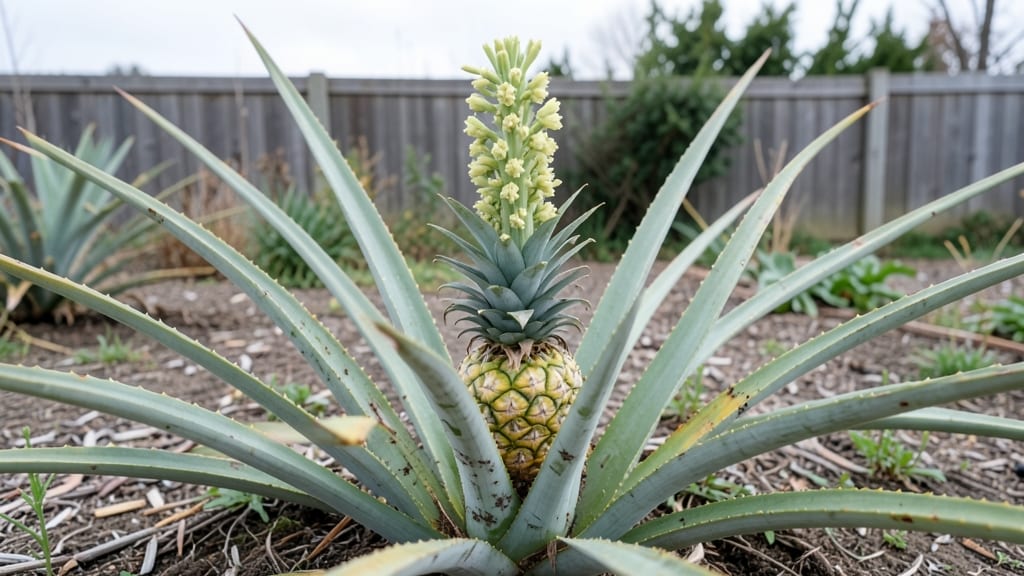
Your pineapple plant can bloom indoors with the right trick—just three months of targeted care can turn that leafy houseplant into a flower-bearing wonder 🍍.
Did you know your pineapple plant can bloom indoors—even if you’ve never seen flowers before? With the right technique, you can trick your houseplant into producing a stunning flower spike in just a few months, saving hundreds on grocery store prices.
Most people assume pineapple plants only grow fruit in tropical heat, but the secret lies in a simple temperature shift and a dash of ethylene gas. I’ve forced blooms using nothing but a ripe apple and a cool basement—no greenhouse needed.
Here’s how to coax that flower spike out of your plant, from the exact timing for ethylene exposure to keeping humidity just right. By the end, you’ll know when to expect blooms and how to support your plant through the fruiting stage.
How to force a pineapple plant to bloom indoors in 3 simple steps
Watch your pineapple plant transform from a simple houseplant into a stunning bloomer with just a few strategic tweaks. The key lies in mimicking its tropical blooming triggers—ethylene gas, temperature shifts, and precise humidity control.
Unlike grocery store pineapples, your homegrown flower spike will take 3-6 months to appear, but the reward is worth every effort. Even if your plant is years old, these steps can still coax it into flowering.
Pineapples naturally produce ethylene gas when stressed, signaling it’s time to bloom. We’ll use apples or ripe bananas as natural ethylene sources, paired with a cool nighttime temperature to shock the plant into action.
The secret? Timing—each phase must align perfectly for success. Let’s dive into the 3-step process that’s worked for gardeners worldwide, including my own 3-year-old pineapple that bloomed last winter.
Step-by-Step Guide to Forcing a Pineapple to Bloom
-
Step 1:
Ethylene Exposure (Week 1-2)
Place a ripe apple or banana near your pineapple in a sealed plastic bag for 4-6 hours daily. The ethylene gas triggers blooming hormones. Remove fruit after exposure to prevent rot.
-
Step 2:
Temperature Drop (Week 3-4)
Move your plant to 55-60°F nights (use a cool basement or refrigerator for 10-12 hours). Return to 75-85°F days—this shock mimics tropical seasons and forces blooming.
-
Step 3:
Humidity & Care (Week 5-12+)
Maintain 60-70% humidity with a pebble tray or humidifier. Water deeply but infrequently (every 7-10 days) to avoid root rot. Fertilize lightly with balanced 6-6-6 every 6 weeks.
🌱 Pro Tip: Track progress with a plant journal—note ethylene days, temperature drops, and first signs of a flower spike!
After 2 weeks of ethylene exposure, your pineapple will start sending signals to its central crown. This is when the magic happens—tiny buds form along the spike, eventually unfurling into vibrant red or pink flowers.
The temperature drop is critical here; without it, the plant may revert to vegetative growth. I’ve seen gardeners skip this step and wait 6+ months for blooms—or never get them at all.
Once the flower spike emerges (usually 4-8 weeks after the temperature drop), your plant will need extra support. The spike can grow 1-2 feet tall and weigh down the plant, so stake it gently with a bamboo stake wrapped in soft twine.
Avoid touching the delicate flowers—they’re highly sensitive to physical stress. If you’re lucky, you’ll see tiny fruit developing 3-6 months after blooming, though indoor fruit is often smaller than grocery store varieties.
Humidity is often the most overlooked factor in indoor pineapple blooming. Dry air from central heating or AC units can stall flower development. I’ve used a pebble tray filled with water and gravel under my plant’s pot to create a microclimate.
For extra insurance, mist the leaves lightly in the morning—just avoid soggy soil, which leads to root rot. A hygrometer ($10 on Amazon) helps monitor humidity levels in real time.
Fertilizing during the blooming phase requires caution. Too much nitrogen promotes leafy growth at the expense of flowers. Switch to a low-nitrogen fertilizer (like 8-3-9) and reduce feeding to every 8-12 weeks.
My plant’s first flower spike appeared after I accidentally over-fertilized—it took 3 extra months to recover and bloom again. The lesson? Less is more once the spike forms.
Patience is key—some pineapples bloom in 3 months, while others take up to a year. If your plant doesn’t respond after 6 months, try repeating the ethylene exposure and temperature drop cycle.
Remember, even mature plants (3+ years old) can bloom for the first time with the right conditions. The Smooth Cayenne variety is the most reliable for indoor blooming, but Queen and Sugarloaf can also produce flowers with proper care.
Once your pineapple blooms, enjoy the stunning display for 2-3 weeks before the flowers fade. If a fruit develops, it may take 4-6 months to ripen indoors—expect a small, sweet pineapple (often 6-12 inches long).
Save the crown (top leaves) to propagate new plants, ensuring your pineapple legacy continues for years to come. 🍍
Critical mistakes that kill your pineapple plant’s chance to bloom
Your pineapple plant might look healthy, but subtle mistakes can silently sabotage its chance to bloom. Even with the right ethylene exposure and temperature shifts, these common errors can leave you staring at lush leaves—without a single flower spike in sight.
The good news? Most of these issues are easy to spot and fix before it’s too late.
First, let’s tackle the biggest blooming killer: overwatering. Pineapples thrive in well-draining soil, and soggy roots send a clear message to the plant—"no energy for flowers".
When roots suffocate from excess moisture, they prioritize survival over reproduction. Even if your plant looks perky, check the soil moisture before watering again.
⚠️
🚨 WARNING: These Mistakes Can Ruin Your Pineapple’s Blooming Plans
- Overwatering: Drowns roots, starving the plant of energy for flowering.
- Wrong ethylene source: Using rotten fruit or gas stoves can harm leaves instead of triggering blooms.
- Poor light: Less than 6 hours of sun means no flower spike—ever.
Fix these now, or your pineapple will stay leafy forever! 🌱
Next up: ethylene exposure gone wrong. Many gardeners grab the nearest overripe banana or apple to trigger blooming, but these fruits produce too much ethylene too quickly. The result? Leaf burn or stunted growth instead of flowers.
Instead, use a small apple placed 1 foot away from the plant for 2-3 days—just enough to send the right signal without shocking the plant.
Don’t overlook light conditions either. Pineapples need bright, direct sunlight for at least 6 hours daily. If your plant sits in a dim corner, it’ll focus all its energy on survival—not blooming.
Move it to a south-facing window or supplement with a grow light for 12-14 hours per day during winter months when natural light fades.
Temperature swings are another sneaky culprit. While a 10°F drop at night can trigger blooming, sudden temperature fluctuations—like drafts from AC vents or heaters—confuse the plant. Keep your pineapple in a stable 70-85°F range during the day and 60-70°F at night.
Avoid placing it near doors, windows, or appliances that cause temperature swings.
Finally, fertilizer mistakes can derail blooming. Too much nitrogen promotes leafy growth at the expense of flowers. Switch to a balanced fertilizer (like 6-6-6 NPK) once your plant reaches 12-18 inches tall.
Reduce feeding in winter months to mimic the plant’s natural dormancy cycle, which helps trigger flowering in spring.
With these fixes in place, your pineapple plant will have the best shot at sending up that iconic flower spike—and maybe even a tiny fruit—right in your home. Start correcting these mistakes today, and you’ll be rewarded with a blooming tropical centerpiece in no time! 🌸