
Pruning
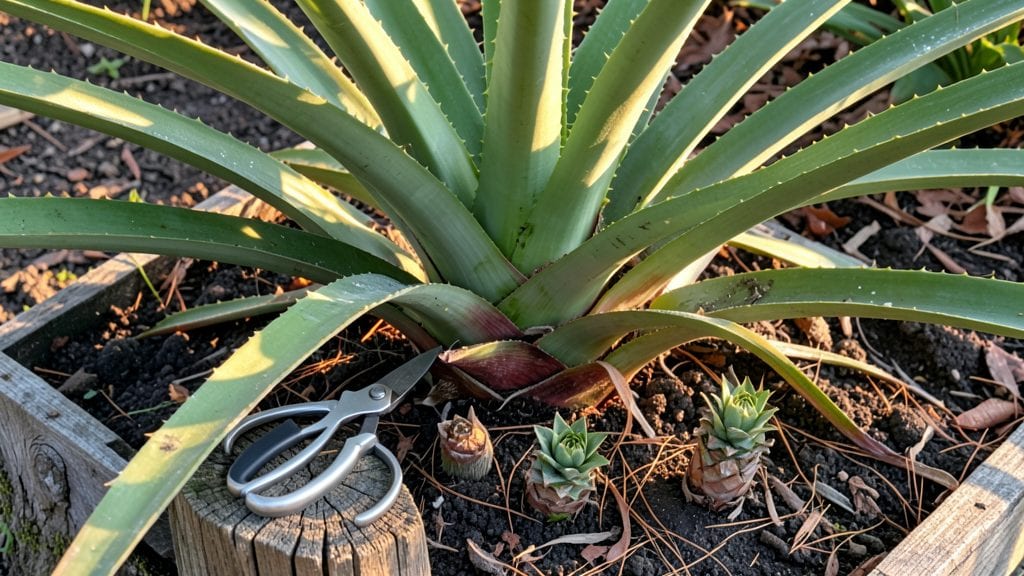
Pruning pineapple plants isn't just about keeping them tidy—it’s the secret to doubling fruit production and extending their lifespan. After my first pineapple finally ripened, I noticed how the plant’s energy had been drained, and that’s when I learned the three strategic cuts that turn one harvest into three.
The right timing and technique make all the difference between a struggling plant and one that keeps producing year after year.
You’ll need sharp pruners, rubbing alcohol for sterilization, and a clear day to work—pineapples heal faster when the air is dry.
The process focuses on three key areas: removing dead or yellowing leaves, cutting off the old fruit stem once it’s spent, and deciding whether to keep or propagate the suckers that sprout from the base. Most gardeners overlook the fruit stem, but leaving it can sap energy from new growth.
After pruning, your plant will focus its energy on new suckers or fruit, often producing two to three new harvests in a single season.
Keep the soil moist but not soggy for the first week, and move the plant to a spot with full sun (6+ hours daily) to speed up recovery. The first signs of success?
Bright green new leaves and, within months, those telltale flower spikes that mean another pineapple is on the way.
This method works for both container-grown and in-ground pineapples, though tropical climates (zones 9-11) give the best results. If you’re in cooler zones, treat your pineapple as a houseplant near a sunny window.
The key is consistency—prune at the right time, and your plant will reward you with reliable, year-round fruit.
📚 In This Guide
- What you need
- Instructions
- Tips and common mistakes
- Wrapping up and next steps
What you need
- ● Sharp pruning shears or a clean knife – Sterilize with rubbing alcohol or boiling water to prevent disease.
- ● Disinfectant (rubbing alcohol, bleach solution, or hydrogen peroxide) – 1 part bleach to 9 parts water for cleaning tools.
- ● Garden gloves – To protect your hands from sharp edges and sap.
- ○ Pruning sealant (optional but recommended) – Helps prevent infection on larger cuts.
- ● Pineapple plant (healthy, mature, with visible "pups" or side shoots) – Aim for plants at least 18–24 months old.
- ● Well-draining potting mix or soil – For repotting pups if harvesting.
- ● Small pots or containers (3–4 inches in diameter) – For propagating pups, if desired.
- ● Watering can or spray bottle – For post-pruning hydration.
- ● Rooting hormone – Boosts success rate for pup propagation.
- ● Mulch (pine bark or coconut coir) – Helps retain moisture around the base.
- ● Slow-release fertilizer (balanced NPK, 10-10-10) – For post-pruning recovery.
- ● Plant support (stakes or cages) – If your pineapple is top-heavy after pruning.
Step-by-step guide to pruning pineapple plants for maximum fruit production
Here's how to encourage larger, sweeter pineapples by focusing on just three strategic cuts.
Remove Old or Damaged Leaves
Start by inspecting your pineapple plant for any leaves that are brown, yellow, or completely dried out. These leaves no longer contribute to the plant's health and can actually drain energy from the fruit development. Use sharp, clean pruning shears to cut these leaves at the base, making sure to leave the healthy green leaves intact. I always work in the morning when the plant is fully hydrated—this makes the cuts cleaner and reduces stress on the plant.
Pay special attention to leaves that have torn or split edges, as these can become entry points for pests and diseases. Once you've removed the damaged leaves, you'll notice the plant looks more vibrant and focused on its core growth. This first cut is about creating a healthier foundation for the fruit to develop properly.
Trim the Lower Leaves to Encourage Fruit Growth
Next, focus on the lower third of the plant where the fruit will form. Using your pruning shears, carefully remove about one-third of the oldest leaves at the base of the plant. These leaves are no longer photosynthesizing efficiently and are competing with the developing fruit for nutrients. I like to leave about 12-15 healthy leaves to ensure the plant still has enough foliage to support itself and the fruit.
This step is crucial because it redirects the plant's energy toward fruit production rather than maintaining unnecessary leaves. You'll see the plant's center become more open, which allows better airflow and sunlight penetration to the developing fruit. Avoid cutting into the stem or the crown—just the outer leaves. This cut should be done when the plant is actively growing, typically in the spring or early summer.
Prune Suckers to Focus Energy on the Main Plant
Pineapple plants often produce suckers—small offshoots that grow from the base of the plant or along the stem. While these can be propagated to grow new plants, they compete with the main plant for nutrients and water. Use your pruning shears to remove any suckers that are smaller than one-third the size of the main plant. Cut them off at the base, making sure to leave a small portion of the stem attached to the mother plant.
I always remove suckers within the first few months after the main plant has fruited, as this ensures the mother plant has all the resources it needs to recover and prepare for future fruit production. If you leave too many suckers, the main plant will produce smaller, less flavorful fruit. After pruning, you can pot up the healthy suckers in the 3-gallon containers to grow new pineapple plants.
Maintain the Plant After Pruning
After completing the three key cuts, it's important to give your pineapple plant the care it needs to recover and thrive. Water the plant deeply but allow the soil to dry out slightly between waterings—pineapples hate soggy roots. Place the plant in a location with bright, indirect light, as direct sunlight can stress the plant after pruning. Over the next few weeks, you'll notice new growth emerging from the center of the plant, which is a sign that the pruning was successful.
This is also a good time to fertilize lightly with a balanced, water-soluble fertilizer to support the plant's recovery. I use about half the recommended dose to avoid overfeeding the plant, which can lead to excessive leaf growth at the expense of fruit development. Keep an eye out for any signs of stress, such as yellowing leaves or wilting, and adjust your care routine as needed.
Tips & tricks for pruning pineapple plants
These three key strategies will help you maximize your pineapple plant's fruit production while keeping it healthy and thriving.
Timing is Everything: The instructions mention spring or early summer as ideal times for trimming the lower leaves, but I've found that morning is the best time to prune. The plant's leaves are fully hydrated and firm, which makes clean cuts easier and reduces stress on the plant. Avoid pruning during the hottest part of the day or when the plant is already under stress from drought or extreme temperatures.
Tool Preparation Matters: Before you begin pruning, make sure your pruning shears are sharp and clean. Dull blades can crush leaves and stems, causing more damage than the cut itself. I like to sterilize my shears with rubbing alcohol between cuts, especially if I'm working with multiple plants. This prevents the spread of diseases from one plant to another, which is particularly important when dealing with damaged leaves that might already be compromised.
Sucker Management: When removing suckers in Step 3, focus on those smaller than one-third the size of the main plant. These little competitors can drain significant resources from your main pineapple. I've found that removing suckers within the first few months after fruiting gives the mother plant the best chance to recover and prepare for future fruit production. If you're planning to propagate new plants, save the healthiest suckers and pot them up in 3-gallon containers immediately after pruning.
Post-Pruning Care: After completing the three key cuts, don't just walk away. The instructions mention maintaining bright, indirect light and careful watering, but I've learned that consistency is key. Water deeply but allow the soil to dry out slightly between waterings—pineapples truly hate soggy roots. I've also found that a light application of balanced fertilizer about two weeks after pruning helps the plant recover without overstimulating leaf growth at the expense of fruit development.
Pro Tips for Pruning Pineapple Plants
- These three key strategies will help you maximize your pineapple plant's fruit production while keeping it healthy and thriving.
- Timing is Everything: The instructions mention spring or early summer as ideal times for trimming the lower leaves, but I've found that morning is the best time to prune.
- Tool Preparation Matters: Before you begin pruning, make sure your pruning shears are sharp and clean.
Frequently asked questions
about pruning pineapple plants—because even expert gardeners need a little clarity! Here are answers to the most common queries to keep your pineapples thriving.When is the best time to prune pineapple plants?
Prune your pineapple plants after they’ve produced fruit—typically 3–6 months post-harvest. Avoid pruning during extreme heat or cold, as the plant needs energy to recover. Early morning on a dry day is ideal for minimal stress.
How do I know which leaves to cut?
Focus on brown, yellow, or dead leaves first—they drain energy. For the "3-key cuts," target:
- 1. Dead leaves (bottom 1/3 of the plant).
- 2. Damaged or diseased leaves (trim at the base).
- 3. Overcrowded growth (remove suckers if you’re not propagating).
What if my pineapple plant doesn’t have suckers?
Don’t worry! Some varieties (like Smooth Cayenne) produce fewer suckers. If your plant is healthy but not flowering, check its age (2–3 years old) and light exposure. Prune dead leaves anyway—it still improves airflow and fruit quality!
Can I prune too much? What are the signs?
Yes! Over-pruning stresses the plant. Signs include:
- Wilting or yellowing healthy leaves.
- No new growth after 4–6 weeks.
- Stunted or small fruit.
Should I save the cut leaves? Can I regrow pineapples from them?
Suckers
(side shoots) and the leafy base (crown) can root to grow new plants. Let cuttings dry for 1–2 days, then plant in well-draining soil. Keep soil moist but not soggy—roots form in 4–8 weeks!
Wrapping up and next steps
Pruning your pineapple plants is a simple yet powerful way to boost fruit production and keep them thriving year-round! By mastering the three key cuts—removing dead leaves, trimming suckers, and pruning flower stalks—you’ll encourage healthier growth and sweeter harvests. 🌱
Now that you’re equipped with the know-how, roll up your sleeves and give your pineapples some love! Start with just one plant to practice, and soon, you’ll be enjoying a bountiful, tropical harvest of your own.
Happy pruning—and may your garden be as sweet as the fruit you’ll reap! 🍍✨