
Watering
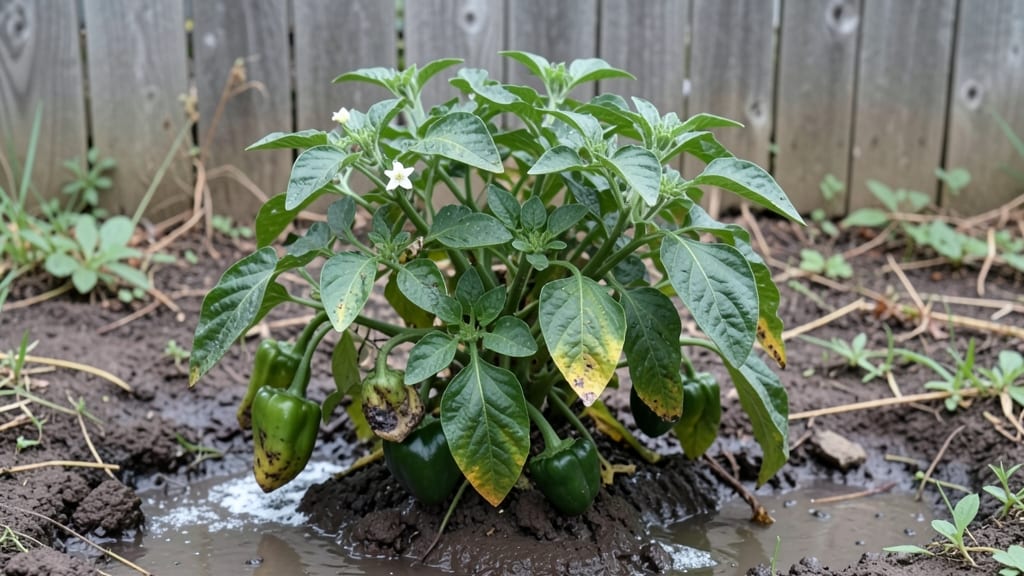
These pictures of overwatered pepper plants will make you cringe—yellowing leaves, mushy stems, and roots that smell like rot. 🌱 I’ve seen it too many times: what should be a thriving plant turns into a soggy mess overnight.
The good news? You can fix this before it’s too late, and I’ll show you exactly how.
Most people overwater because they think peppers need constant moisture, but these plants hate soggy roots. Look for leaves turning yellow (especially the older ones), wilting even when the soil feels damp, or a foul smell when you dig down.
These are your warning signs that you’re drowning your plants instead of nurturing them.
Here’s the fix: let the top 2 inches of soil dry out between waterings, and make sure your pots have drainage holes. If the roots are already rotting, trim away the mushy parts and repot in fresh, well-draining soil.
Within a week, you’ll see new green growth pushing through—proof your peppers are fighting back.
Prevent future disasters by watering deeply but less often, and always check the soil before reaching for the hose. Peppers are tough once they’re happy, and with these simple tweaks, you’ll keep them thriving all season long.
Common Causes of Overwatering
Overwatering pepper plants is a sneaky problem that can turn your thriving garden into a soggy mess—often without you even realizing it. Understanding the root causes helps you avoid these pitfalls and keep your peppers healthy. Here’s why it happens, broken down into clear, actionable reasons:
Peppers thrive in consistently moist—but not soggy—soil. Many gardeners assume "more water = better growth," but overwatering disrupts the plant’s natural balance. Here’s how it plays out:
- Root Suffocation: Pepper roots need oxygen to absorb nutrients. When soil stays waterlogged, oxygen is displaced by water, leading to anaerobic conditions—a toxic environment for roots.
This triggers root rot, where beneficial microbes die off and harmful pathogens (like Phytophthora fungi) take over. - Actionable fix: Water deeply 2–3 times per week (depending on climate) and let the top 1–2 inches of soil dry out between sessions.
Use a moisture meter to check—aim for 40–60% moisture in the root zone.
- Nutrient Leaching: Excess water washes away essential minerals (like nitrogen, potassium, and phosphorus) that peppers need to produce fruit.
Without these, plants may show yellowing leaves (chlorosis) or stunted growth, even if they’re drowning in water. - Actionable fix: Use a balanced fertilizer (like 10-10-10) every 2–3 weeks during the growing season to replenish lost nutrients.
Not all soil—or pots—are created equal. If your pepper plants’ roots can’t escape excess moisture, overwatering becomes inevitable.
- Clay or Compacted Soil: Heavy soils (like clay) hold water like a sponge, preventing it from draining away. Even if you water lightly, the soil stays saturated for days. - Actionable fix: Amend clay soil with organic matter (compost, coconut coir, or perlite) to improve drainage.
For containers, use a well-draining potting mix (like 60% peat/compost, 30% perlite, 10% vermiculite).
- Small or Non-Draining Pots: Plastic or ceramic pots without drainage holes act like water traps.
Roots sit in stagnant water, leading to rot within 3–5 days of overwatering. - Actionable fix: Always use pots with drainage holes and elevate them on feet or trays to prevent water from pooling.
For hanging baskets, ensure they’re breathable (like woven fabric) and water only when the topsoil is dry.
Water needs shift with temperature, humidity, and rainfall. What works in summer might drown your peppers in spring or fall.
- Cool or Humid Weather: When temperatures drop below 70°F (21°C), peppers transpire (sweat) less, meaning they don’t need as much water. Overwatering in these conditions leads to fungal diseases (like powdery mildew) and root rot. - Actionable fix: Reduce watering by 30–50% in cooler months.
Monitor leaf moisture—if leaves stay damp for >12 hours, you’re overdoing it.
- Rainy Seasons: A heavy downpour can deliver 1–2 inches of water in hours—enough to saturate soil for days. Adding extra water afterward doubles the damage.
- Actionable fix: Skip scheduled watering for 24–48 hours after rain. Use a rain gauge to track natural water input.
Young pepper seedlings and mature fruit-bearing plants have completely different water requirements.
- Seedlings: These tiny plants have shallow roots and need frequent, light watering (every 2–3 days) to stay hydrated. Overwatering here can drown the roots before they establish. - Actionable fix: Use a spray bottle or drip irrigation for seedlings.
Once they’re 4–6 inches tall, transition to deeper watering 1–2 times per week.
- Fruiting Stage: When peppers are producing, they demand more water to support heavy fruit loads.
But this doesn’t mean daily soaking—it means deeper, less frequent watering to encourage root growth. - Actionable fix: Water at the base (not the leaves) and mulch around plants to retain moisture without soggy soil.
Pro Tip 💡: When in doubt, check the soil! Stick your finger 1–2 inches deep—if it’s damp, wait. If it’s bone-dry, water thoroughly. Your peppers will thank you with juicier, healthier fruit!
Reviving Your Peppers: Step-by-Step Fixes
Overwatered pepper plants may look sad now, but with the right care, they can bounce back stronger than ever! The key is acting fast and adjusting your watering habits to prevent future stress.
Below are practical, actionable solutions tailored to the most common causes of overwatering—plus tips to keep your peppers thriving.
Cause: Excess moisture suffocates roots, leading to rot or fungal issues. Fix:
- Pause all watering for 3–5 days to let the soil dry out. This is critical—peppers hate soggy roots!
- If the soil is muddy or smells sour, wait longer (up to a week) before resuming.
- Pro Tip: Stick your finger 1–2 inches deep into the soil. If it’s damp, hold off. If it’s bone-dry, you’ve already waited too long—adjust future watering instead.
Cause: Compacted or poorly draining soil traps water, worsening root damage. Fix:
- Amend the soil with organic matter:
- Mix in compost, coconut coir, or perlite (10–20% of the soil volume) to loosen texture.
- For containers, repot if drainage holes are missing or clogged.
- Raise plant beds (if gardening in ground) with a 6–12 inch mound of amended soil to encourage runoff.
- Use a moisture meter (or a cheap DIY version like a wooden stick) to monitor soil moisture accurately.
> 💡 Prevention Tip: Always plant peppers in well-draining soil (a mix of potting soil + perlite works wonders). Avoid heavy clay or garden soil unless heavily amended.
Cause: Inconsistent or excessive watering confuses plants and stresses roots. Fix:
- Water deeply but infrequently:
- Containers: Water when the top 1–2 inches of soil are dry (usually every 2–3 days in hot weather).
- In-ground plants: Water 1–2 times per week, soaking the root zone (6–12 inches deep).
- Water in the morning (before 10 AM) to reduce evaporation and fungal risks.
- Use drip irrigation or soaker hoses to deliver water directly to the roots, avoiding leaf wetness.
> ⏰ Timing Matters: Never water at night—this invites diseases like blight and powdery mildew.
Cause: Yellowing or mushy leaves signal stress and can spread rot. Fix:
- Prune affected leaves with sterilized scissors (wipe with rubbing alcohol between cuts).
- Focus on:
- Yellow or blackened leaves (signs of rot).
- Wilted or limp foliage (overwatering + poor circulation).
- Do NOT remove more than 20% of the plant at once—peppers are sensitive to drastic pruning.
> 🌡️ Recovery Sign: Healthy new growth (green, firm leaves) means your plant is healing!
Cause: Weak roots can’t absorb nutrients, even with proper watering. Fix:
- Fertilize lightly with a balanced, water-soluble fertilizer (10-10-10 or 5-5-5) diluted to half strength.
- Avoid high-nitrogen fertilizers—they promote leafy growth at the expense of peppers!
- Add a root stimulator (like mycorrhizal fungi or seaweed extract) to encourage regrowth.
- Mulch around the base (2–3 inches of straw or shredded leaves) to retain even moisture without soggy soil.
> 🎯 Pro Tip: If roots are severely rotted, trim the affected parts with clean shears and repot in fresh, sterile soil.
To keep your peppers happy and productive: ✅ Test your soil (pH 6.0–6.8 is ideal for peppers). ✅ Avoid watering schedules—check soil moisture instead. ✅ Use self-watering pots (with drainage!) for consistency. ✅ Rotate crops if replanting in the same spot to prevent soil-borne diseases. ✅ Monitor weather—adjust watering during rain or humidity spikes.
Remember: Peppers are drought-tolerant once established—underwatering is easier to recover from than overwatering! With these fixes, your plants should perk up in 1–2 weeks, and you’ll be back to harvesting juicy peppers in no time. 🌶️💚
Frequently asked questions
How can I tell if my pepper plant is overwatered just by looking at it?
Look for yellowing leaves (especially older ones), mushy stems, or drooping foliage that doesn’t perk up when you check the soil. If the leaves feel soft or have dark spots, that’s a red flag for root rot. Dig gently—if the roots smell foul or look brown and mushy, you’ve overwatered.
Can I save a pepper plant with root rot?
Yes, but act fast! Trim away mushy, black roots with clean scissors, then repot in fresh, well-draining soil. Skip watering for 3–5 days to let the roots dry out. Use a fungicide (like copper-based spray) to prevent further rot, and water only when the top 1–2 inches of soil are dry.
Why do my pepper plants wilt even when the soil feels damp?
Overwatering suffocates roots, cutting off oxygen and nutrients. Even damp soil can’t support the plant if it’s waterlogged. Check for compacted soil or clogged drainage holes—both trap excess moisture. Amend the soil with perlite or compost and water only when the top 2 inches are dry.
Is it better to underwater or overwater pepper plants?
Peppers are more forgiving of underwatering than overwatering. While underwatering may cause temporary wilting, overwatering leads to root rot and fungal diseases. Aim for consistently moist (not soggy) soil—water deeply 2–3 times per week in hot weather, then adjust based on soil dryness.
How do I fix clay soil that holds too much water?
Mix in organic matter like compost or coconut coir (10–20% of the soil volume) to loosen it. For containers, use a blend of 60% potting soil + 30% perlite + 10% vermiculite. If gardening in-ground, raise beds with a 6-inch mound of amended soil to improve drainage.