
Companion Plants
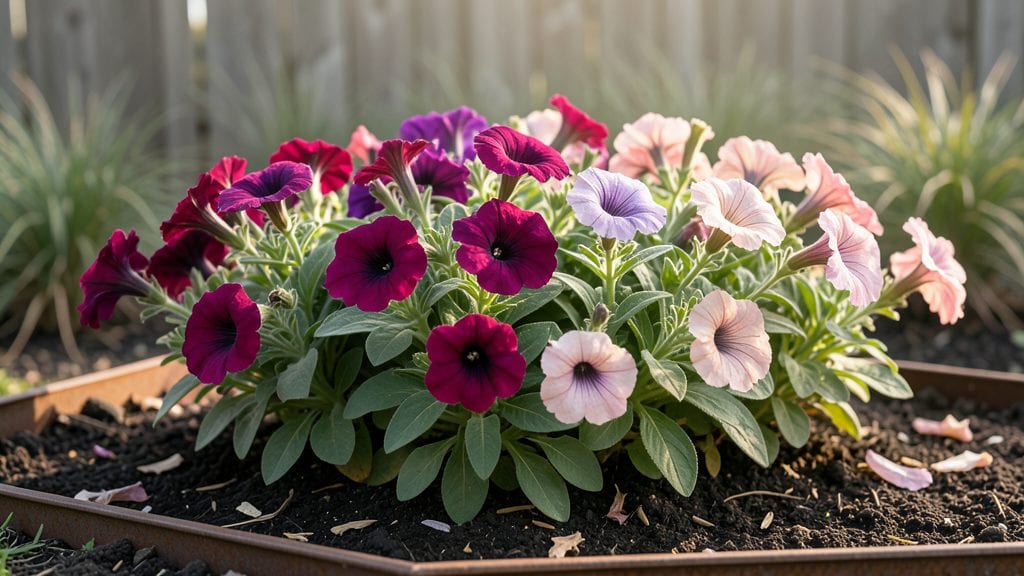
Live petunia plants transform any garden with their bold striped blooms and natural pest-repelling magic. 🌿 I’ve grown them for years, and the secret to their vibrant display lies in the right soil, sunlight, and a little pruning know-how—no fancy tricks needed.
These plants don’t just look stunning; they keep aphids and whiteflies at bay while you’re busy enjoying their showy flowers.
The key to success starts with well-draining soil mixed with compost, ensuring roots stay happy without soggy messes. Place them in spots with 6+ hours of sunlight daily, and water deeply but only when the top inch of soil feels dry.
Overwatering is the #1 mistake beginners make—petunias hate soggy feet. Prune spent blooms regularly to encourage nonstop flowering all season long.
By mid-summer, your garden will burst with 3-inch-wide blooms in every shade imaginable, from deep purples to sunny yellows. The fragrance alone makes them worth growing, but the pest control bonus?
That’s the real game-changer. Deer and rabbits usually skip these plants entirely, leaving them free to thrive while protecting your other flowers.
Works beautifully in hanging baskets, containers, or garden beds—just adjust watering based on your setup. Whether you’re a first-timer or a seasoned pro, these petunias deliver low-maintenance drama that keeps coming back for more. Let’s get those roots settled and those blooms popping!
Root Causes Of Petunia Struggles
Petunias are vibrant, low-maintenance bloomers—but even the hardiest varieties can decline when key growing conditions shift. Understanding why your striped petunias wilt, stop flowering, or attract pests helps you fix the issue at its source. Below, we break down the science behind common problems, from soil chemistry to environmental stress.
Petunias thrive in well-draining soil, but overzealous watering (or compacted clay soil) drowns roots, leading to:
- Root rot: Fungal pathogens like Phytophthora or Pythium multiply in waterlogged conditions, cutting off oxygen to roots. Look for mushy, black roots and yellowing leaves.
- Nutrient leaching: Excess water flushes away essential minerals (e.g., nitrogen, phosphorus), starving plants of energy for blooms.
- Pest magnet: Soggy soil attracts slugs and snails, which chew petunia leaves into lace-like patterns.
Actionable fix: Amend soil with perlite or sand (20% mix) and water only when the top 1–2 inches are dry. Elevate pots with saucers or use self-watering systems to prevent saturation.
Petunias love sun—but intense midday rays (especially in zones 8–11) can scorch leaves, causing:
- Bleached or crispy edges: High UV exposure breaks down chlorophyll, turning leaf margins white or brown (like sunburn on skin).
- Stunted growth: Heat stress triggers ethylene gas production, which signals petunias to halt flowering and focus on survival.
- Wilting despite moist soil: Heat causes transpiration rates to spike, pulling moisture from leaves faster than roots can absorb.
Actionable fix:
- Provide afternoon shade (30–50%) with sheer curtains or nearby shrubs.
- Use mulch (straw or pine needles) to keep soil temps <10°F cooler.
- Water early morning to reduce evaporation loss.
Petunias’ sweet nectar and tender foliage make them a buffet for pests. Here’s the science behind their attraction:
| Pest | Why They Attack | Tell-Tale Signs |
|---|---|---|
| Spider mites | Dry, hot conditions reduce leaf turgor, making petunias easier to pierce. They thrive on starchy sap. | Fine webbing on undersides; stippled, bronze leaves. |
| Whiteflies | Attracted to yellowing leaves (a sign of stress). Their larvae excrete honeydew, which fuels sooty mold. | Sticky residue on blooms; tiny white flies when disturbed. |
| Slugs/snails | Petunias’ succulent leaves are high in moisture and calcium—ideal for mollusks. They’re most active in humid, shady conditions. | Irregular holes; slime trails at dawn/dusk. |
Actionable fix:
- For mites/whiteflies: Spray with neem oil (1 tbsp per gallon of water) or introduce ladybugs.
- For slugs: Set up beer traps (bury a cup filled with beer) or use copper tape barriers.
Petunias are tender perennials (zones 10–11), and sudden drops below 50°F (10°C) trigger:
- Cell membrane damage: Cold causes ice crystals to form in plant tissues, rupturing cells and leading to blackened, mushy leaves.
- Dormancy mode: Chilly nights reduce photosynthesis, so petunias shift energy to root storage instead of blooming.
- Fungal infections: Wet, cold soil (below 60°F) encourages Botrytis blight, causing gray mold on stems.
Actionable fix:
- Use row covers or move pots to sheltered spots at night.
- Mulch heavily with straw or leaves to insulate roots.
- Avoid evening watering—wet foliage + cold = frost damage.
Petunias need balanced NPK (10-10-10), but imbalances cause:
| Symptom | Likely Cause | Quick Test |
|---|---|---|
| Yellow leaves (lower first) | Nitrogen deficiency (chlorosis) or overwatering. | Pull a leaf—roots should be white, not brown. |
| Purple stems/leaves | Phosphorus deficiency (needed for energy transfer). | Check soil pH—petunias prefer 6.0–7.0. |
| Small, weak blooms | Potassium deficiency (_K_) or root-bound stress. | Gently tug the plant—if roots circle the pot, transplant. |
Actionable fix: Feed with a balanced liquid fertilizer every 2–3 weeks during bloom season. For soil, mix in compost or bone meal (1 tbsp per plant) for phosphorus.
Revive Your Petunias Quickly
If your bold-striped petunias are looking worse for wear, don’t panic! With the right care, you can bring them back to their vibrant, pest-repelling glory. Below, we’ve mapped out common issues and practical fixes—plus tips to keep your plants thriving long-term. Let’s get those blooms back in action! 🌸💪
Cause: Petunias need consistent moisture but hate soggy roots. Yellowing leaves often signal stress from either too little or too much water.
Fix It: 🔥 Check the soil – Stick your finger 1–2 inches deep. If dry, it’s time to water; if muddy, hold off. 🍳 Water deeply but less often – Aim for 1 inch of water per week (more in extreme heat). Water at the base, not the leaves, to prevent fungal issues. 👨🍳 Improve drainage – If your pot lacks drainage holes, add a layer of pebbles or perlite at the bottom. For garden beds, amend soil with compost to retain moisture without drowning roots. ⏰ Morning watering wins – Water early to let foliage dry before evening, reducing mildew risk.
Prevent It: ✨ Use mulch – A 2-inch layer of mulch (like straw or shredded bark) keeps soil moist and cool. 🎯 Group plants together – This creates a microclimate that retains humidity naturally.
Cause: Aphids, spider mites, or earwigs love petunias—but these blooms fight back! Their strong scent often deters pests, but severe infestations still happen.
Fix It: 🔪 Blast pests off – Spray leaves with a strong stream of water to dislodge aphids or mites. Repeat every few days. 🌡️ Neem oil spray – Mix 1 tbsp neem oil + 1 tsp mild soap in 1 quart of water. Spray undersides of leaves (where pests hide) every 5–7 days. 💡 Introduce predator plants – Place marigolds or basil nearby to attract beneficial insects like ladybugs.
Prevent It: 🔥 Inspect regularly – Check undersides of leaves weekly for early signs of pests. 🍎 Avoid over-fertilizing – Too much nitrogen attracts soft-bodied pests. Use a balanced 10-10-10 fertilizer instead.
Cause: Petunias stretch toward light (etiolation) or flop over without proper support, especially in hot climates.
Fix It: 🌞 Move to brighter light – Place in full sun (6+ hours daily). If indoors, rotate pots weekly for even growth. 🏗️ Add stakes or cages – Use tomato cages, bamboo stakes, or floral picks to support tall varieties like ‘Wave’ petunias. 🥗 Prune strategically – Trim leggy stems by 1/3 to encourage bushier growth. Pinch back tips of new growth to promote branching.
Prevent It: 🌡️ Choose dwarf varieties – For containers, opt for compact types like ‘Supertunia’ that stay tidy without staking. ✨ Use reflective surfaces – Place a mirror or light-colored tray under pots to bounce extra light onto leaves.
Cause: Too much fertilizer (especially high-nitrogen) or inconsistent care can halt flowering.
Fix It: 📊 Switch to bloom booster – Use a low-nitrogen, high-phosphorus fertilizer (like 5-10-5) every 2–3 weeks during blooming season. 💪 Deadhead regularly – Snip spent blooms to redirect energy to new flowers. Use clean scissors to avoid disease. 🌡️ Adjust watering – Overwatering stresses plants. Let the top inch of soil dry between waterings.
Prevent It: 🎯 Feed lightly but often – Monthly feedings with a balanced fertilizer work better than heavy doses. 🔥 Avoid cold drafts – Petunias bloom best in warm, stable temperatures (60–75°F).
With these fixes, your petunias will bounce back faster than you think—and their pest-repelling powers will keep your garden thriving! For extra resilience, rotate companion plants like nasturtiums or geraniums nearby to create a natural pest barrier. 🌿🛡️
Frequently asked questions
How long do live petunia plants typically bloom?
With proper care, petunias can bloom continuously from early spring to first frost—that’s 4-6 months in most climates! Regular deadheading (removing spent blooms) encourages even more flowers, while consistent sunlight and balanced fertilizer keep them producing vibrant blooms all season.
Can I grow petunias in containers or just garden beds?
Petunias thrive in containers, hanging baskets, or garden beds. Choose pots with drainage holes and use a lightweight potting mix with perlite. For containers, select compact varieties like 'Supertunia' to prevent overcrowding. Just ensure they get 6+ hours of sunlight daily—containers dry out faster than garden soil.
Why are my petunia leaves turning yellow?
Yellow leaves usually signal overwatering, nutrient deficiencies, or root rot. Check soil moisture—petunias prefer the top 1-2 inches dry between waterings. If roots look mushy or brown, repot in fresh, well-draining soil. For yellowing from lack of nutrients, feed with a balanced 10-10-10 fertilizer every 3-4 weeks.
Do petunias attract bees and butterflies?
Yes! Petunias are a bee and butterfly magnet thanks to their nectar-rich blooms. The striped varieties are especially appealing to pollinators. Plant them near other pollinator-friendly flowers like lavender or coneflowers to create a buzzing garden ecosystem. Their pest-repelling properties make them a win-win for both pollinators and your garden.
How do I overwinter petunia plants?
Petunias are tender annuals in most climates, but you can try overwintering them indoors. Cut back stems to 4 inches, repot in fresh soil, and place in a bright, cool (50-60°F) spot with minimal water. They’ll go dormant but may regrow in spring. Alternatively, take stem cuttings in fall for next year’s plants.