
Companion Plants
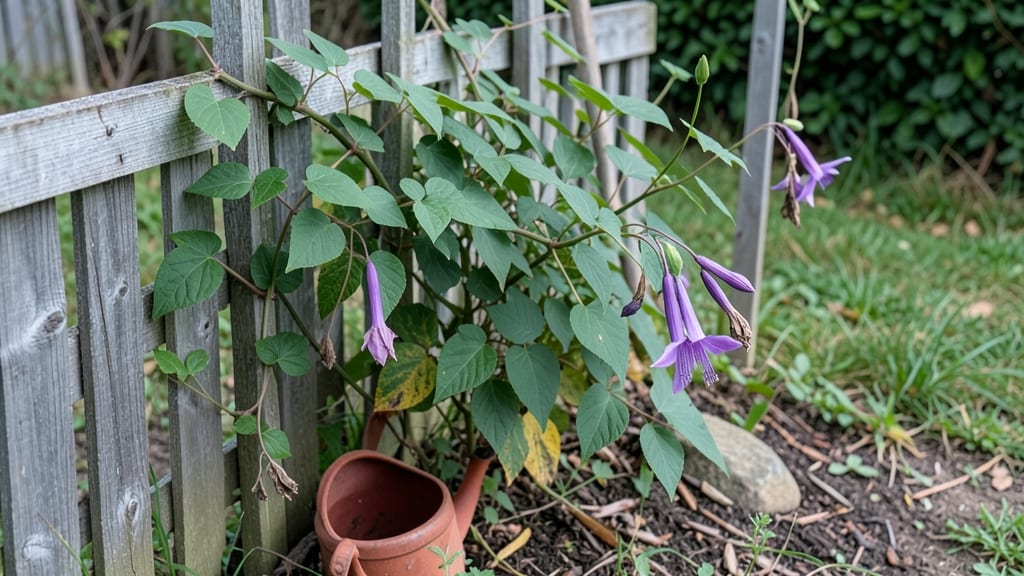
Fragrant climbing plants turn blank walls into living perfume factories. 🌿 I’ve seen them turn dull fences into sensory masterpieces—just imagine stepping into a garden where every breeze carries sweet notes of jasmine or star jasmine.
These vines don’t just look stunning; they turn your outdoor space into a fragrant escape.
The best part? They’re versatile. Train them up trellises for vertical gardens, drape them over pergolas for shade, or let them spill over fences for a cottage-style charm. Pair them with roses for double the scent impact, or tuck them near seating areas where you’ll linger.
The right placement makes all the difference—think morning sun for jasmine, afternoon shade for clematis.
You’ll end up with a garden that feels like a secret. The air hums with floral sweetness, and every evening walk becomes a sensory journey. These vines thrive with minimal fuss once established, so you get beauty and fragrance without the upkeep of cut flowers.
Perfect for romantic gardens, cozy retreats, or even urban balconies.
Now, let’s talk about which vines bring the most magic—and how to pair them for maximum impact. The right combination can turn your space into a fragrant haven year after year.
📚 In This Guide
- What you need
- Instructions
- Tips and common mistakes
- Wrapping up and next steps
What you need
- ● Perfumed climbing plants: Choose from 3–5 varieties (e.g., Jasmine (Jasminum officinale), Clematis (Clematis montana), or Star Jasmine (Trachelospermum jasminoides)). Buy 1–2 plants per type for variety.
- ● Potting mix: 5–10 gallons of well-draining, organic potting soil (or a blend of garden soil + perlite for outdoor planting).
- ● Containers or garden space: Containers: 5–15 gallon pots with drainage holes (1 per plant, or larger shared containers for multiple vines).
- ● Garden beds: A sunny wall or trellis with at least 6–8 hours of sunlight daily.
- ● Trellis or support structure: A sturdy trellis, arbor, or wall-mounted lattice (6–10 feet tall, depending on plant size).
- ● Fertilizer: Slow-release granular fertilizer (10-10-10 NPK ratio) or liquid organic fertilizer (e.g., fish emulsion).
- ● Mulch: 2–3 inches of organic mulch (e.g., shredded bark or straw) to retain moisture.
- ● Gloves & pruners: A pair of gardening gloves and sharp pruning shears (sterilized with rubbing alcohol).
- ● Watering can or hose: With a gentle spray nozzle for hydration.
- ● Support ties: Soft plant ties or Velcro straps to secure vines to the trellis.
- ○ pH test kit (optional): To ensure soil pH is between 6.0–7.0 (ideal for most fragrant climbers).
- ○ Peat moss or compost (optional): For amending heavy or clay soil.
- ○ Pest control (optional):strong> Neem oil or insecticidal soap for aphids/spider mites.
- ● Row covers for young plants if pests are a concern.
How to select and plant fragrant climbing vines for a scented garden wall
Here's my go-to approach for choosing and installing fragrant vines that'll turn any blank wall into a living perfume diffuser.
🌱 Step 1: Choose 4 Fragrant Vines for Your Wall
Start with these four proven performers that combine beauty and scent: Clematis 'Jackmanii' for sweet, creamy blooms, Honeysuckle 'Lemoinei' for its intoxicating honey fragrance, Jasmine 'Grand Duke of Tuscany' for classic nighttime perfume, and Star Jasmine for its star-shaped white flowers that smell like fresh rain.
Each vine has different growing habits—clematis needs sturdy support, honeysuckle climbs aggressively, and jasmine prefers a trellis. I always check mature heights: clematis can reach 10-15 feet, while jasmine stays more compact at 6-10 feet. This ensures they'll complement rather than compete for space on your wall.
🪴 Step 2: Prepare the Planting Sites Along Your Wall
Mark planting spots 6-8 feet apart along your wall to give each vine room to establish. Dig holes twice as wide as the root balls but only as deep as they were in their nursery pots. This prevents burying the crown too deeply, which can cause rot.
I mix the 4 gallons of potting mix with 1 cup of compost for each hole to give roots a nutrient boost. The potting mix ensures excellent drainage while the compost adds organic matter that encourages strong root growth. Tap the soil lightly after planting to remove air pockets around the roots.
☀️ Step 3: Install Support Structures Before Planting
Before placing any vines, install your support system. For clematis, I use heavy-duty trellis panels secured to the wall with L-brackets. Honeysuckle and jasmine need twine or wire mesh that they can twine through naturally. Space supports 3-4 feet apart vertically to give vines multiple points to attach.
Here's the thing—if you wait until after planting to install supports, you risk damaging young roots when digging post-holes. I always set up the framework first, then plant around it. This also lets you visualize how the vines will grow and fill the space over time.
🌿 Step 4: Plant and Water for Immediate Establishment
Place each vine in its prepared hole, spreading roots gently outward. Fill the hole with soil until it's level with the surrounding ground, then water deeply to settle everything. I use 1 gallon of water per plant right after planting to help eliminate air gaps.
Mulch around each base with 2 inches of mulch, keeping it 6 inches away from the stem to prevent rot. The mulch conserves moisture and regulates soil temperature—critical for fragrant vines that need consistent growing conditions. Water again 3-4 days later to encourage root establishment.
⏰ Step 5: Train Vines and Maintain Growth Habits
Once planted, guide the main stems along their support structures using soft plant ties. For clematis, I tie the main stem to the trellis at 12-inch intervals until it reaches the top. Honeysuckle and jasmine will twine naturally, but I still check weekly to ensure they're growing in the right direction.
Fragrant vines need regular pruning to encourage blooms. After the first year, I cut back clematis by one-third in early spring, while jasmine and honeysuckle respond well to light pruning after flowering. Watch for new growth—when you see 3-4 sets of true leaves, that's your signal to start fertilizing lightly with a balanced 10-10-10 formula every 4-6 weeks during growing season.
Tips & tricks for perfect fragrant climbing vines
These simple strategies will help you create a fragrant garden wall that's both beautiful and intoxicatingly scented.
Vine Selection Wisdom: When choosing your fragrant vines, consider their mature heights and growth habits. Clematis 'Jackmanii' can reach up to 15 feet, so position it at the bottom of your wall where it has room to grow upward. Star Jasmine stays more compact at 6-10 feet, making it perfect for mid-wall placement. I always arrange them from tallest at the bottom to shortest at the top for a natural, layered look that maximizes fragrance at all heights.
Soil Preparation Secret: The 4 gallons of potting mix with 1 cup of compost per hole is non-negotiable for fragrant vines. This combination ensures excellent drainage while providing nutrients that encourage strong root growth. I like to add a handful of perlite to the mix for even better drainage—especially important for jasmine varieties that dislike soggy roots. Tap the soil lightly after planting to eliminate air pockets that could prevent proper root establishment.
Support System Strategy: Installing your support structures before planting is a game-changer. I've learned this the hard way after trying to add trellises later and damaging young roots. For clematis, use heavy-duty trellis panels secured with L-brackets—they need sturdy support for their heavy blooms. Space vertical supports 3-4 feet apart to give vines multiple attachment points. This also lets you visualize how the vines will grow and fill the space over time.
Watering Technique: The initial 1 gallon of water per plant right after planting is crucial for eliminating air gaps around the roots. I also recommend watering again in 3-4 days to encourage root establishment. For the first month after planting, I water deeply every 3-4 days rather than lightly every day. This promotes deeper root growth that will make your vines more resilient once established.
Pro Tips for Perfumed Climbing Plants
- These simple strategies will help you create a fragrant garden wall that's both beautiful and intoxicatingly scented.
- Vine Selection Wisdom: When choosing your fragrant vines, consider their mature heights and growth habits.
- Soil Preparation Secret: The 4 gallons of potting mix with 1 cup of compost per hole is non-negotiable for fragrant vines.
Frequently asked questions
Got questions about fragrant climbing plants?
Here are answers to the most common ones—so you can pick the perfect scented vine for your garden with confidence!
What’s the best time of year to plant perfumed climbing vines?
Plant most climbing vines in early spring or fall when temperatures are mild. This gives roots time to establish before extreme heat or cold. Evergreens like Clematis can handle cooler climates, while tropical varieties (like Jasmine) thrive in warmer seasons. Avoid planting during frost or peak summer—roots need moisture!
How do I train a climbing plant to grow on a wall or trellis?
Start by securing the vine to a sturdy trellis, fence, or wall with soft ties (like jute twine). Gently guide young stems along the structure as they grow, trimming excess foliage to encourage upward growth. For twining vines (like Sweet Pea), use a spiral trellis. Prune in late winter to shape and remove dead growth. Pro tip: Water regularly to keep vines flexible and less prone to snapping!
Do perfumed climbing plants attract pests? If so, how do I prevent them?
Some fragrant vines (like Honeysuckle or Jasmine) attract bees, butterflies, and even aphids. To deter pests, spray neem oil weekly or introduce ladybugs. Ensure good airflow by pruning crowded growth, and avoid overwatering. Bonus: Plant pest-repelling companions like Marigolds nearby to create a natural barrier!
Can I grow perfumed climbing plants in containers? What’s the best setup?
Choose compact varieties like Clematis ‘Jackmanii’ or Star Jasmine for pots. Use a large container (at least 12 inches deep) with well-draining soil and a trellis for support. Place in a spot with 6+ hours of sunlight and water consistently. For tropical vines, bring containers indoors during frost. Pro tip: Add compost to the soil for extra nutrients!
What’s a low-maintenance alternative to high-scented vines?
If you want fragrance without heavy upkeep, try Passionflower or Cobaea scandens (Cup-and-Saucer Vine). Both have mild scents and thrive in partial shade. For zero-fuss options, Ivy (like English Ivy) offers subtle fragrance and is nearly indestructible. Bonus: These plants also support pollinators!
Why isn’t my climbing plant flowering or smelling as strong?
Lack of blooms or scent often stems from poor sunlight, over-fertilizing, or pruning at the wrong time. Most vines need full sun (6+ hours daily) and balanced fertilizer (low in nitrogen). Prune after flowering to encourage new growth. If the scent is faint, check for pests or nutrient deficiencies—a soil test can help!
Wrapping up and next steps
Perfumed climbing plants are more than just a fragrant addition to your garden—they’re a scent-sational way to elevate your outdoor space with beauty, texture, and natural aroma.
Whether you’re drawn to the sweet blooms of Clematis or the intoxicating whiff of Jasmine, these vines bring effortless charm and sensory delight. 🌿✨
Ready to turn your garden wall into a fragrant paradise? Start small—pick one or two vines that suit your climate and space, then watch your garden transform into a blooming, aromatic haven. Your next step? Grab some gloves, choose your favorite climber, and let nature work its magic! 🌱💚