
Companion Plants
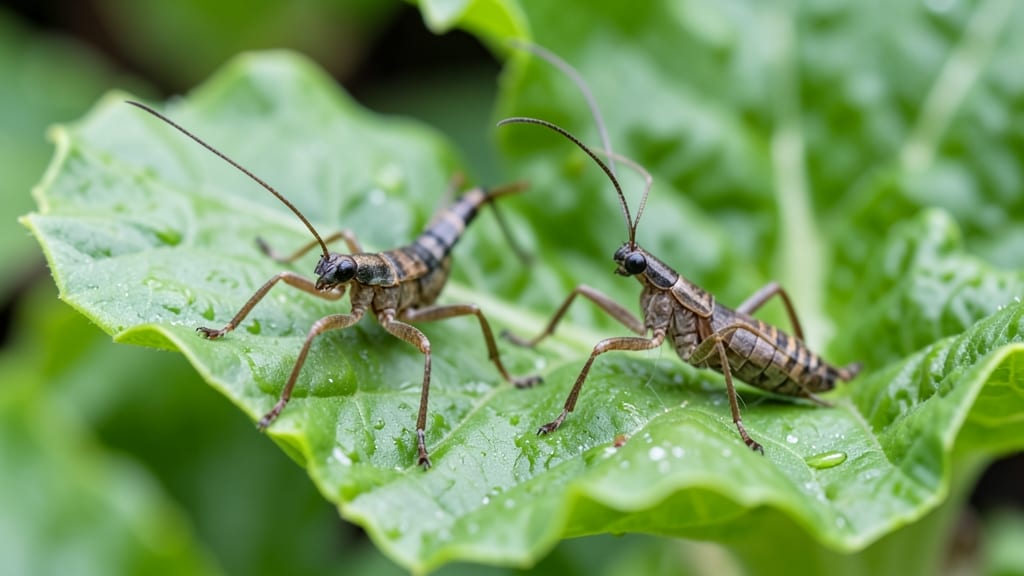
Earwigs on plants are the sneaky pests no one talks about until they’re ripping through leaves overnight. 🌿 I’ve lost count of the times I found my prized hostas and lettuce shredded by these armored critters—only to realize they were hiding under mulch or boards all along.
The good news? You don’t need harsh sprays to send them packing.
These pincher-wielding insects thrive in damp, shady spots, which is why they love your garden beds and under pots. The damage? Chewed leaves, flowers, and even young seedlings—though they’re more of a nuisance than a killer.
My breakthrough came when I swapped chemical sprays for a few simple, non-toxic tricks that actually worked. No more hiding under mulch for them.
You’ll learn how to outsmart them with natural deterrents like diatomaceous earth, strategic planting, and even a few household items most people already have. Within a week, you’ll see fewer earwigs lurking—and your plants will start healing.
The best part? These methods keep working season after season without harming your soil or pollinators.
Whether you’re dealing with a small cluster or a full-blown invasion, this approach scales from containers to full garden beds. Let’s get those earwigs out of your plants for good—without the chemicals. Here’s how to make it happen.
Why Earwigs Invade Gardens
Earwigs may seem like tiny, harmless pests, but their presence on plants can signal deeper issues in your garden. Understanding why they’re drawn to your plants is the first step in keeping them at bay naturally.
These nocturnal critters aren’t just random visitors—they’re seeking specific conditions that make your garden an all-you-can-eat buffet. Here’s the science behind their behavior, broken down into key triggers.
Earwigs thrive in damp, humid environments, and your garden might be serving up the perfect moisture buffet. Here’s why:
- Overwatered soil: Earwigs love soil with high moisture content because it mimics their natural habitats—decaying leaf litter and damp forest floors. If your plants are watered too frequently (especially in the evening), you’re creating an earwig paradise. Pro tip: Water in the morning to let excess moisture evaporate before nightfall.
- Thick mulch layers: Mulch retains moisture and provides shelter, making it an ideal hiding spot for earwigs. While mulch is great for soil health, too much (especially organic mulch like wood chips or straw) can attract these pests. Pro tip: Keep mulch 2–3 inches deep and avoid piling it directly against plant stems.
- Poor drainage: Earwigs avoid dry, well-drained soil. If your garden has compacted or clay-heavy soil that holds water, you’ll see more earwig activity. Pro tip: Amend soil with compost or sand to improve drainage and reduce humidity.
Earwigs are nocturnal foragers, and your plants might be lighting up their radar as the perfect midnight snack. Here’s what draws them out:
- Flowering plants: Many earwigs feed on pollen, nectar, and soft plant tissues. Flowers like dandelions, roses, and night-blooming plants (e.g., evening primrose) are high-protein treats that lure them in. Pro tip: Deadhead spent blooms regularly to remove their food source.
- Tender new growth: Young, soft leaves and stems are easy pickings for earwigs. They use their pincers to chew on cotyledons (seed leaves) and delicate foliage, often leaving behind ragged, irregular holes. Pro tip: Monitor seedlings and young plants closely—earwigs target them first.
- Falling fruit or decaying matter: Overripe or rotting fruit, fallen petals, and decomposing plant debris create a smorgasbord for earwigs. They’re scavengers at heart! Pro tip: Clean up garden debris promptly, especially around fruit trees and berry bushes.
Earwigs need cover to survive, and your garden might be offering too much of it. Here’s how they exploit shelter:
- Dense foliage: Plants with broad, overlapping leaves (like hostas, lettuce, or basil) provide perfect hiding spots during the day. Earwigs tuck themselves into leaf axils or under curled leaves to avoid predators and dry conditions. Pro tip: Space plants properly for airflow and avoid overcrowding.
- Rocks, boards, and debris: Earwigs love dark, damp crevices. Leaving wooden planks, garden stones, or broken pots lying around gives them shelter. Pro tip: Store firewood, tools, and garden accessories away from plant beds and elevate them off the ground.
- Structural garden features: Potted plants, hanging baskets, and even birdhouses or mailboxes near gardens can become earwig hotspots. These pests are opportunistic and will move into any nook that offers moisture and shade. Pro tip: Inspect and clean under pots and around garden structures regularly.
Not all plants repel earwigs—some actively attract them, either as food or shelter. If you’re growing these, you might be sending out an open invitation:
- Herbs like mint, cilantro, and parsley: These aromatic plants can attract earwigs, especially if they’re stressed or wilting. Pro tip: Plant these in containers away from your main garden beds.
- Vegetables like lettuce, beans, and strawberries: Earwigs love the soft, tender growth of these plants. Pro tip: Use row covers or diatomaceous earth (food-grade) around vulnerable crops.
- Shade-loving plants like ferns and hostas: Their dense, moist environments mimic earwig habitats. Pro tip: Pair them with repellent plants (like chrysanthemums or tansy) to balance the ecosystem.
Now that you know why earwigs are crashing your garden party, the next step is flipping the script with natural deterrents that kick them out for good—without chemicals. Stay tuned!
Quick Fixes for Earwig Infestations
Earwigs may seem like a nuisance, but the good news is that you can tackle them effectively without relying on harsh chemicals. Below, we’ve mapped out practical, cause-specific solutions to keep these pests off your plants—plus tips to prevent future visits.
Cause: Earwigs thrive in damp, shady areas where humidity is high. Fix:
- 🌧️ Reduce Watering at Night: Water plants in the early morning instead of evening to let soil dry faster.
- 🌿 Improve Drainage: Amend heavy or compacted soil with compost or sand to prevent waterlogging.
- ☀️ Increase Sunlight: Trim overgrown foliage to allow more sunlight to reach the soil, drying out hiding spots.
Prevention Tip: 💡 Use gravel or mulch (like cedar chips) around plant bases—earwigs dislike dry, coarse surfaces.
Cause: Leaves, rocks, and wood piles create perfect earwig hideouts. Fix:
- 🧹 Clear Debris Regularly: Remove fallen leaves, mulch buildup, and other organic matter from garden beds.
- 🪨 Store Wood Piles Away: Keep firewood, bark, or logs at least 10 feet from plants and elevate them off the ground.
- 🌱 Use Landscape Fabric: Place a thin layer under mulch to block earwigs from crawling up into plant roots.
Pro Tip: ✨ Diatomaceous earth (food-grade) sprinkled lightly around plant bases can deter earwigs—just reapply after rain.
Cause: They chew on tender plant parts, especially in greenhouses or shaded gardens. Fix:
- 🌸 Protect Vulnerable Plants: Cover seedlings or young plants with floating row covers (fine mesh) until they mature.
- 🍃 Handpick at Night: Earwigs are most active after dark—shake plants over a bucket of soapy water to drown them.
- 🌿 Plant Repellent Companions: Interplant with garlic, mint, tansy, or chrysanthemums—earwigs avoid these strong scents.
Prevention Tip: 🌡️ Prune overcrowded plants to improve airflow, reducing humidity and earwig attractiveness.
Cause: They seek shelter indoors during cold or wet weather. Fix:
- 🚪 Seal Entry Points: Check for gaps around doors, windows, and vents—caulk or install weather stripping.
- 🕯️ Use Traps: Place rolled-up newspaper or cardboard traps near entry points—earwigs will crawl inside, and you can dispose of them.
- 🌿 Keep Outdoor Lights Off: Earwigs are attracted to light—use yellow bug lights instead of white bulbs.
Pro Tip: 🎯 Beer traps work! Fill a shallow dish with beer and bury it near problem areas—earwigs drown within hours.
Once you’ve addressed the immediate issue, keep earwigs away for good with these habits:
- 🌱 Rotate Crops: Avoid planting the same susceptible plants (like lettuce or strawberries) in the same spot yearly.
- 🌿 Encourage Natural Predators: Attract birds, spiders, and ground beetles by planting native wildflowers and avoiding pesticides.
- 🔄 Inspect New Plants: Before bringing in potted plants or cuttings, rinse them under water to remove hidden earwigs.
Final Note: Earwigs are more of a nuisance than a serious threat, but acting early saves your plants from unsightly damage. Try one or two methods from above, monitor progress, and adjust as needed! 🌱✨
Frequently asked questions
Are earwigs harmful to my plants?
Earwigs primarily cause cosmetic damage by chewing irregular holes in leaves, flowers, and tender new growth. While they won't kill most mature plants, they can defoliate seedlings or stress vulnerable crops like lettuce and strawberries. The real threat is their moisture-loving habits, which can create ideal conditions for fungal diseases.
Why do I see more earwigs after rain?
Earwigs emerge after rain because they need high humidity to survive. The damp conditions activate their moisture sensors, making them more active. Rain also washes them out of hiding spots like mulch and leaf litter, making them more visible. Watering in the morning instead of evening helps reduce their activity.
Will diatomaceous earth kill my plants?
Food-grade diatomaceous earth is safe for plants when applied correctly. It works by dehydrating earwigs through microscopic cuts, not by poisoning. Just avoid applying it directly to leaves or flowers, and reapply after watering or rain. Always use a light dusting—too much can temporarily dry out soil.
Can earwigs bite humans?
Earwigs rarely bite humans unless severely provoked or handled. Their pincers are primarily for defense against other insects, not humans. If you accidentally crush one, you might feel a tiny pinch—but they pose no real threat to people. They're more interested in your plants than your skin!
What's the best time of day to check for earwigs?
The best time to spot earwigs is at night with a flashlight when they're most active. They hide during the day in damp, dark places like under boards, rocks, or dense foliage. For daytime checks, look under mulch or overturned pots where they might be sheltering from sunlight.