
Pruning
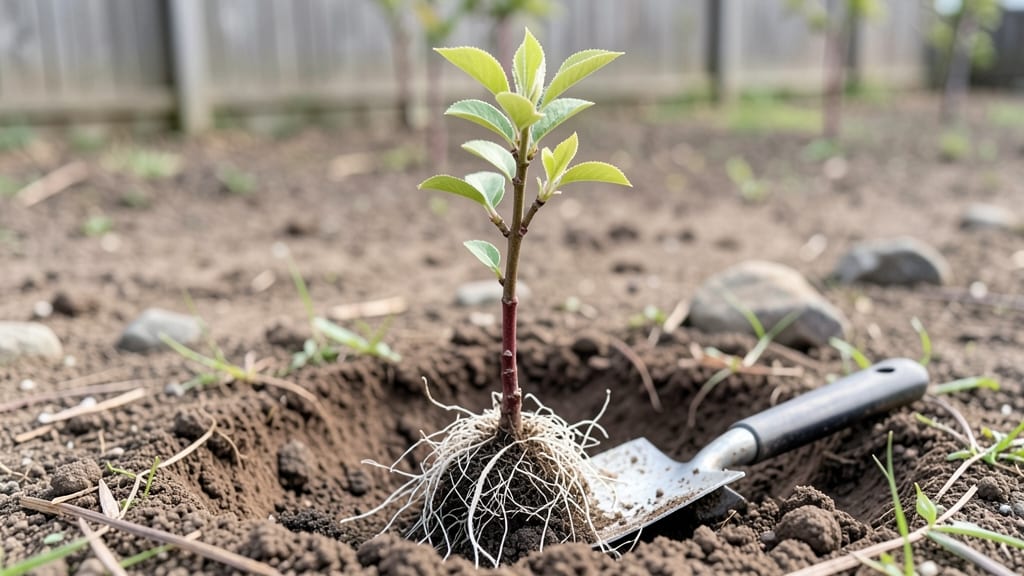
Here are some peach tree planting tips to ensure your tree thrives: start with the right timing and spot—dormant season and full sun are non-negotiable for that first flush of spring growth.
I’ve planted three peach trees now, and the ones in the brightest, driest spot with well-draining soil are the only ones that didn’t struggle through their first summer. The secret isn’t just digging a hole; it’s about mimicking the tree’s natural habitat where roots spread freely and water drains fast.
You’ll need a 5-7 foot deep hole that’s twice as wide as the root ball, a budding compound (like Tanglefoot) if grafting, and a stake system to support young trees in windy areas.
Most nurseries sell bare-root trees in late winter, but if you’re planting container-grown, do it anytime the ground isn’t frozen.
The key is getting those roots established before the heat of summer hits—think of it like giving your tree a strong foundation before it has to hold up a house of fruit.
After planting, water deeply to settle the soil and keep it moist for the first 30 days—that’s critical for root growth. A 2-3 inch layer of mulch around the base (but not touching the trunk) locks in moisture and keeps weeds at bay.
You’ll know you’re on the right track when new leaves appear in spring, vibrant and glossy, not yellow or wilted. The first year is all about building strength, not harvests—patience here means bigger yields down the road.
Climate matters: in colder zones, wrap the trunk with burlap or tree guards before winter to prevent sunscald, and in hotter areas, shade young trees during the hottest afternoons.
Whether you’re in zone 5 or 9, the goal is the same—give your peach tree the best possible start so it can focus on growing roots, not fighting for survival. Once it’s established, you’re on your way to homegrown peaches that taste nothing like store-bought.
📚 In This Guide
- What you need
- Instructions
- Tips and common mistakes
- Wrapping up and next steps
What you need
- ● Peach Tree Sapling: Choose a dwarf, semi-dwarf, or standard variety (check your USDA hardiness zone for best matches). Quantity: 1 per planting site.
- ● Shovel or Trench Digger: For digging a hole 2-3 times wider and just as deep as the root ball.
- ● Garden Gloves: Heavy-duty to protect hands while handling soil and roots.
- ● Well-Draining Soil Mix: A blend of topsoil, compost (50%), and perlite/sand (20%) for loose, fertile soil. Quantity: ~5 gallons per tree.
- ● Organic Mulch: 2-3 inches of wood chips, straw, or pine needles to retain moisture and suppress weeds.
- ● Balanced Fertilizer: 10-10-10 or 6-6-6 NPK ratio (avoid high-nitrogen fertilizers at planting). Quantity: 1 lb per tree.
- ● Watering Can or Hose with Nozzle: For gentle, deep watering (avoid blasting roots).
- ○ Staking Supplies (Optional but Recommended): 2-3 stakes (2-3 feet tall) and soft tree ties for young trees.
- ● Root Stimulator: A powder or gel to encourage root growth (e.g., Mycorrhizal fungi).
- ● Tree Guard or Collar: Protects the trunk from rodents and lawnmowers.
- ● Soil pH Test Kit: Ensures your soil is slightly acidic (pH 6.0–6.5 is ideal for peaches).
- ● Drip Irrigation System: For automated, efficient watering (great for larger orchards).
- ● Pruning Shears: For shaping the tree post-planting (if needed).
Step-by-Step instructions for planting peach trees
Here's how to get your peach tree off to a strong start with minimal fuss.
Choose the Right Location and Prepare the Soil
Peach trees need full sun—at least 6-8 hours daily—so pick a spot with no nearby shade trees. The soil should drain well, as peaches hate soggy roots. I always test drainage by digging a 12-inch deep hole and filling it with water; if it doesn’t drain within 4-6 hours, amend the soil with 2-3 inches of compost or sandy loam to improve drainage.
Peach trees prefer slightly acidic to neutral soil with a pH of 6.0-6.5. If your soil is heavy clay, mix in 3-4 inches of organic matter like aged manure or compost before planting. Avoid fresh manure—it can burn young roots. Spread a 2-inch layer of mulch (like wood chips) around the planting area, but keep it 6 inches away from the trunk to prevent rot.
Dig the Planting Hole and Position the Tree
Dig a hole twice as wide as the root ball but no deeper—peach trees don’t like being buried too deep, which can suffocate roots. If your tree comes in a 1-gallon container, the hole should be 12-18 inches wide and 12 inches deep. Loosen the sides of the hole with a shovel to help roots spread easily.
Gently remove the tree from its container and inspect the roots. If they’re circling tightly, tease them apart with your fingers to encourage outward growth. Place the tree in the hole so the graft union (the bump near the base) sits 2-3 inches above ground level. This prevents water from pooling and rotting the trunk. Backfill with the original soil, tamping lightly as you go to remove air pockets.
Water Thoroughly and Stake for Support
After planting, water deeply—10-15 gallons—to settle the soil and eliminate air gaps. The soil should be moist 6 inches down. If the ground feels dry at that depth, add another 5 gallons of water. Peach trees are drought-sensitive when young, so weekly deep watering (about 15-20 gallons) keeps them thriving.
Stake the tree only if it’s taller than 4 feet or in a windy area. Use two stakes driven 12 inches apart and tie the trunk loosely with soft tree ties or strips of old T-shirt. Avoid tight ties—they can girdle the trunk as it grows. Mulch again with 2-3 inches of organic mulch, keeping it clear of the trunk to prevent moisture buildup.
Prune and Protect for Long-Term Health
Prune the tree lightly at planting to remove any broken, crossing, or diseased branches. Focus on opening the center to improve airflow, which reduces fungal risks. Use clean, sharp pruners and make cuts just outside the branch collar. Avoid heavy pruning—peach trees establish better with minimal stress.
Young peach trees need protection from pests like deer and rabbits. Wrap the trunk with tree guard or wire mesh for the first 1-2 years. In colder climates, wrap the trunk with burlap or tree wrap in winter to prevent sunscald. Water once a week during dry spells, and fertilize lightly in spring with a balanced 10-10-10 formula—no more than ½ pound per year for young trees.
Tips & tricks for perfect peach tree planting
Planting a peach tree right the first time sets the stage for years of sweet harvests. Here’s how to avoid common pitfalls and give your tree the best possible start.
Soil Test First: Before amending your soil, grab a soil test kit from your local extension office to confirm the pH. Peach trees thrive in the 6.0-6.5 range, and adjusting based on actual test results is far more effective than guessing. If your soil tests higher than 7.0, you’ll need to add sulfur or peat moss to lower the pH gradually—don’t rush this process, as sudden changes can stress the tree’s roots.
Root Ball Care: When removing your tree from its container, gently squeeze the root ball to encourage roots to spread outward. If you notice roots circling tightly, use your fingers to loosen them—this prevents girdling as the tree matures. In Step 2, when placing the tree in its hole, avoid compacting the soil too firmly around the roots; instead, backfill in layers and tap lightly with your shovel to eliminate air pockets without compressing.
Watering Wisdom: The 10-15 gallons of water you pour after planting should soak the soil to 6 inches deep, but don’t stop there. In Step 3, after the initial watering, create a small berm around the base to direct water toward the roots during future waterings. This simple trick ensures water penetrates deeply rather than running off, which is especially important during the first 6-8 hours after planting when roots are most vulnerable to drying out.
Mulch Matters: That 2-inch layer of mulch you spread around the planting area should be organic—think wood chips or straw—not plastic or rocks. Organic mulch breaks down over time, improving soil structure, while also helping retain moisture. But here’s the key: keep it 6 inches away from the trunk to prevent rot. If you’re in a particularly hot climate, add a 3-inch layer instead to help regulate soil temperature and reduce water evaporation.
Pro Tips for Peach Tree Planting Tips
- Planting a peach tree right the first time sets the stage for years of sweet harvests.
- Soil Test First: Before amending your soil, grab a soil test kit from your local extension office to confirm the pH.
- Root Ball Care: When removing your tree from its container, gently squeeze the root ball to encourage roots to spread outward.
Frequently asked questions
Got questions about planting your peach tree? You’re not alone—here are some of the most common ones to help you grow a thriving orchard from the start!
When is the best time to plant a peach tree?
The ideal time to plant a peach tree is in early spring (after the last frost) or late fall (6-8 weeks before the first frost). This gives roots time to establish before extreme heat or cold. Avoid planting in summer—heat stress can stunt growth.
How far apart should peach trees be planted?
Space peach trees 15-20 feet apart if you want a single tree, or 20-25 feet apart for a small orchard. This ensures proper airflow, reduces disease risk, and allows branches to spread without overcrowding. Dwarf varieties can be planted closer (8-10 feet).
Can I plant a peach tree in a container?
Yes! Peach trees thrive in large containers (at least 18-24 inches wide and deep) if you live in a warm climate or have limited space. Use well-draining soil, repot every 2-3 years, and move containers to a sunny spot in winter if temperatures drop below 10°F. Just expect smaller fruit yields than in-ground trees.
Why aren’t my peach tree leaves turning green?
Yellow or pale leaves often signal nutrient deficiencies (like nitrogen or magnesium), overwatering, or root issues. Check soil moisture, adjust fertilization (use a balanced fruit-tree formula), and ensure proper drainage. If leaves curl or have spots, pests (like aphids) or fungal diseases may be the culprit—treat with neem oil or fungicide if needed.
How long does it take for a peach tree to bear fruit?
Most peach trees take 3-5 years to produce fruit, depending on the variety and growing conditions. Dwarf trees may fruit sooner (2-3 years), while standard trees can take up to 7 years. Patience pays off—young trees focus on root and branch growth first! Prune lightly to encourage a strong structure.
Wrapping up and next steps
Planting a peach tree is a rewarding journey that blends patience, care, and a sprinkle of sunshine! 🌱 By choosing the right variety, preparing your soil, and following proper spacing and watering techniques, you’re setting the stage for a bountiful harvest.
Remember, consistent maintenance—like pruning and pest control—keeps your tree thriving for years to come.
Now that you’re armed with these peach tree planting tips, it’s time to roll up your sleeves and get growing! Start by marking your planting spot, then dig in—literally. Your future sweet rewards are just a shovel’s throw away! 🍑