
Diseases
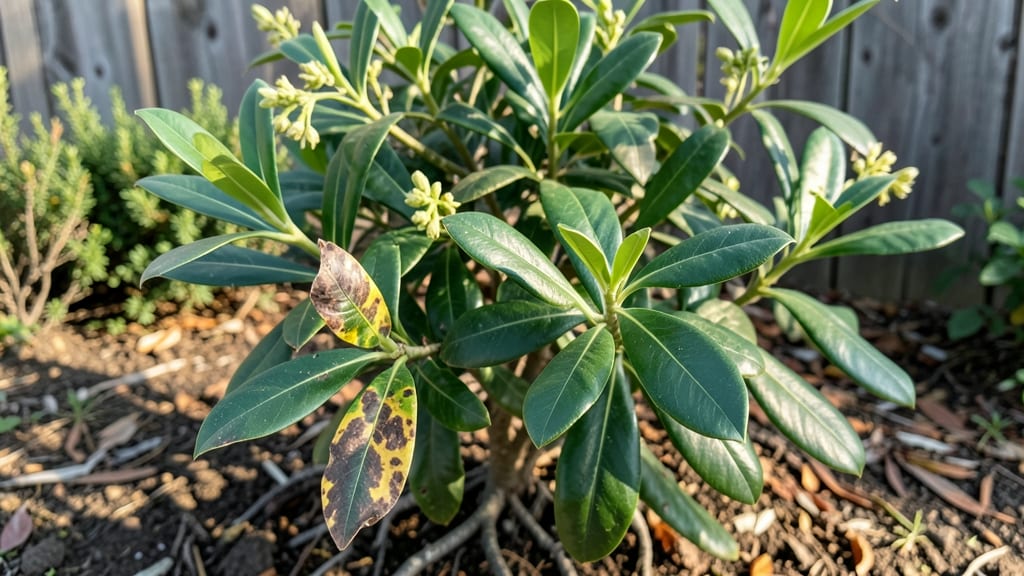
Laurel plant diseases can turn your glossy evergreen into a sad, yellowing mess if you don’t catch them early. 🌿 I’ve seen powdery mildew turn lush leaves white in just two weeks, and root rot silently kill plants from the ground up—both are easier to stop than cure.
The culprits are usually too much moisture, poor airflow, or stress from drought. Laurel plants love sunlight and well-draining soil; when they get soggy roots or crowded branches, that’s when fungus and bacteria move in.
The key is checking leaves regularly for spots, discoloration, or that fuzzy white powder—those are your first warning signs.
Once you spot trouble, you can fix it fast with organic sprays like neem oil or baking soda mix. Prune affected branches immediately, improve drainage, and space plants so air circulates. Within a few weeks, your laurel will bounce back—stronger and disease-resistant.
This works for bay laurels, cherry laurels, and even dwarf varieties. The secret is acting before the problem spreads. Let’s get those plants healthy again!
Root Causes Of Laurel Stress
Laurel plants, whether the fragrant Laurus nobilis (bay laurel) or ornamental varieties like Prunus laurocerasus, are tough but not invincible. When they fall prey to diseases, the culprits are often environmental stressors, microbial invaders, or cultural mismanagement.
Understanding why these issues arise is the first step to prevention—and saving your plant. Below, we break down the most common triggers, backed by science and actionable insights.
Fungi like Phytophthora, Botrytis, or Cercospora thrive in damp conditions, turning laurel leaves into a buffet. Overwatering, poor drainage, or soggy soil create the perfect breeding ground. Fungal spores latch onto wet foliage, leading to:
- Root rot: Phytophthora cinnamomi (a soilborne pathogen) clogs root cells, cutting off oxygen and nutrients. 🔬 Science note: The fungus secretes toxins that disrupt cellular respiration, starving the plant.
- Leaf spots: Cercospora laurina causes dark, greasy spots with yellow halos—ideal conditions? Humidity above 70% and stagnant air.
- Powdery mildew: Erysiphe alphitoides coats leaves in a white, talcum-like film, blocking sunlight. 💡 Pro tip: This fungus spreads faster in shaded, high-humidity spots.
Why it happens: Laurels hate "wet feet." Their roots need oxygen—when soil stays soggy for days, anaerobic bacteria outcompete beneficial microbes, weakening defenses. Actionable fix: Amend soil with perlite or sand (20% mix) and water only when the top 2 inches are dry.
Sap-sucking insects like spider mites, scale, or aphids don’t just feed—they inject toxins that disrupt laurel metabolism. Their saliva clogs stomata (leaf pores), reducing photosynthesis by up to 40%. Worse, their honeydew attracts sooty mold (Capnodium), which smothers leaves.
- Spider mites: Tiny arachnids thrive in dry heat (above 85°F), piercing cells and causing stippled, yellowing leaves.
- Scale insects: These armored pests excrete waxy shields, trapping moisture and creating fungal hotspots.
- Aphids: Cluster on new growth, curling leaves and transmitting viruses like Laurel wilt (via ambrosia beetles).
Why it happens: Laurels stressed by drought or poor soil are magnets for pests. A weak plant can’t produce enough resin (a natural pest repellent) to fight back. Actionable fix: Blast leaves with water (💦) to dislodge mites or use neem oil (1 tsp/gallon) every 7 days. Introduce ladybugs—they love aphids.
Laurels are adaptable but rebel against sudden changes. Too much sun? Leaf scorch. Too little? Chlorosis (yellowing). Even temperature swings trigger stress responses that open doors for pathogens.
| Stressor | How It Harms Laurels | Disease Link |
|---|---|---|
| Intense afternoon sun | Leaves lose moisture faster than roots can replace it, causing oxidative stress. | Bacterial leaf scorch (Xylella fastidiosa) exploits damaged cells. |
| Cold drafts (<32°F) | Cell membranes rupture, leaking nutrients and inviting Alternaria fungi. | Frost cracks on stems let in Botrytis. |
| Poor airflow | Humidity lingers, slowing evaporation and promoting powdery mildew. | Stagnant air = fungal spores have a runway. |
Why it happens: Laurels evolved in Mediterranean climates—they crave consistency. Sudden heat or cold disrupts their circadian rhythms, weakening immune responses. Actionable fix: Prune for airflow (🌿), mulch with wood chips to moderate soil temps, and avoid placing near AC vents or heaters.
Laurels are light feeders, but imbalances trigger disease susceptibility. Too much nitrogen? Soft, sappy growth attracts pests. Too little iron? Chlorosis invites fungal infections.
- Nitrogen toxicity: Lush but weak new growth can’t support cell walls, making leaves prone to Botrytis.
- Potassium deficiency: Weakens cell membranes, letting Phytophthora invade roots more easily.
- Magnesium/calcium imbalance: Causes leaf curl, trapping moisture and promoting Alternaria leaf spot.
Why it happens: Laurels absorb nutrients best in slightly acidic soil (pH 6.0–7.0). Off-kilter pH locks out micronutrients like iron or manganese, leaving plants vulnerable. Actionable fix: Test soil annually. For deficiencies, use chelated iron (for chlorosis) or kelp meal (for potassium). Avoid synthetic fertilizers—they burn roots!
🎯 Key takeaway: Most laurel diseases are opportunistic. Fix the root cause (moisture, pests, stress), and your plant’s natural defenses will rebound faster than you think. Next up: How to spot these issues early.
Fixing Laurel Plant Troubles Naturally
When your laurel plant starts showing signs of stress, quick action can make all the difference. The good news? Most issues have simple, organic solutions that don’t require harsh chemicals.
Below, we’ve mapped out targeted fixes for common problems—plus prevention tips to keep your plant thriving long-term. Let’s get your laurel back to its healthy, glossy best!
If you spot white powder on leaves, brown spots, or mushy stems, fungi are likely the culprit. These thrive in damp, stagnant conditions, but you can kick them to the curb with these steps:
🔥 Step 1: Isolate and Prune
- Remove infected leaves or stems immediately using sterilized scissors (wipe with rubbing alcohol between cuts).
- Do not compost diseased material—toss it in the trash to prevent spreading.
🍳 Step 2: Apply Fungicide Sprays (Organic Options)
Mix one of these in a spray bottle and apply every 7–10 days until symptoms fade:
- Neem oil solution: 1 tbsp neem oil + 1 tsp mild soap + 1 quart water. Shake well and spray undersides of leaves (where spores hide).
- Baking soda spray: 1 tsp baking soda + 1 quart water + a few drops of dish soap (helps it stick). Test on a small leaf first!
- Copper fungicide: Follow label instructions for organic copper-based sprays (e.g., Bonide Copper Fungicide).
👨🍳 Step 3: Improve Airflow and Drainage
- Thin out crowded foliage to let air circulate.
- Repot if needed into a container with well-draining soil (add perlite or sand to mix).
- Water at the base (avoid wetting leaves) and ensure pots have drainage holes.
✨ Prevention Tips
- Water in the morning so leaves dry quickly.
- Avoid overhead watering—use a watering can with a narrow spout.
- Space plants 12+ inches apart to reduce humidity buildup.
Tiny invaders like webby strands, sticky residue, or black sooty mold mean pests are partying on your laurel. Here’s how to evict them:
🔪 Step 1: Blast Off Pests Physically
- Spider mites: Spray plants with a strong stream of water to knock them off.
- Aphids/scale: Wipe leaves with a soapy water cloth (1 tsp mild soap per quart of water).
🌡️ Step 2: Use Natural Repellents
- Insecticidal soap: Spray every 3–4 days until pests disappear.
- Neem oil: Mix 1 tbsp neem oil + 1 tsp soap + 1 quart water. Spray all leaf surfaces.
- Introduce predators: Release ladybugs or lacewings (available at garden centers) for long-term control.
🎯 Prevention Tips
- Inspect new plants before bringing them home (quarantine for 2 weeks).
- Encourage natural predators by planting nearby herbs like basil or dill.
- Mist leaves occasionally—mites hate humidity!
If your laurel’s leaves are yellowing, curling, or growing slowly, it might be hungry or thirsty. Fix it with these tweaks:
💡 Step 1: Diagnose the Deficiency
Check the symptoms and adjust care:
| Symptom | Likely Cause | Fix |
|---|---|---|
| Yellow lower leaves | Overwatering or poor drainage | Let soil dry between waterings; repot if needed. |
| Yellow new leaves | Nitrogen deficiency | Fertilize with balanced organic fertilizer (e.g., fish emulsion or compost tea). |
| Purple/red stems or small leaves | Phosphorus deficiency | Use a bone meal fertilizer or compost rich in phosphorus. |
| Brown leaf tips | Underwatering or low humidity | Water deeply and increase humidity with a pebble tray. |
🌿 Step 2: Boost Soil Health
- Top-dress with compost every 2–3 months for slow-release nutrients.
- Avoid synthetic fertilizers—they can burn roots. Opt for organic options like worm castings.
🔥 Prevention Tips
- Water consistently—laurels prefer moist but not soggy soil.
- Prune regularly to encourage air flow and nutrient absorption.
- Test soil pH (ideal: 6.0–7.0). Amend with lime if too acidic.
With these targeted fixes, your laurel should bounce back in no time. Remember: Prevention is key! Regular checks, proper care, and a little organic TLC will keep your plant disease-free and lush. Happy gardening! 🌿✨
Frequently asked questions
Why do my laurel leaves turn yellow first at the bottom?
Yellowing at the base usually signals overwatering or poor drainage. Laurels hate soggy roots—check if your pot lacks drainage holes or if the soil stays damp for days. Let the top 2 inches dry between waterings, and repot if needed with a mix containing 30% perlite.
Is white powder on my laurel leaves dangerous?
That’s powdery mildew, a fungal infection that thrives in humid, shaded conditions. Prune affected leaves immediately, then spray with a mix of 1 tsp baking soda + 1 quart water + a drop of soap. Space plants 12+ inches apart to improve airflow and reduce future outbreaks.
Can I save a laurel with brown, mushy stems?
Mushy stems indicate root rot from overwatering or fungal infection. Cut back all affected stems with sterilized scissors, then repot in fresh, well-draining soil. Reduce watering and ensure the pot has drainage holes. If roots smell foul, soak them in a 1:10 hydrogen peroxide solution for 10 minutes before repotting.
How often should I fertilize my laurel plant?
Laurels are light feeders—use a balanced organic fertilizer (like fish emulsion) every 6-8 weeks during growing season (spring-fall). Avoid fertilizing in winter when growth slows. Over-fertilizing causes leaf burn and attracts pests, so always follow label instructions.
Will pruning help prevent laurel diseases?
Regular pruning improves air circulation and removes diseased leaves before spores spread. Trim back 1/3 of the plant annually in early spring, and always use sterilized tools. Never prune when leaves are wet—this can introduce fungal infections through open wounds.