
Watering
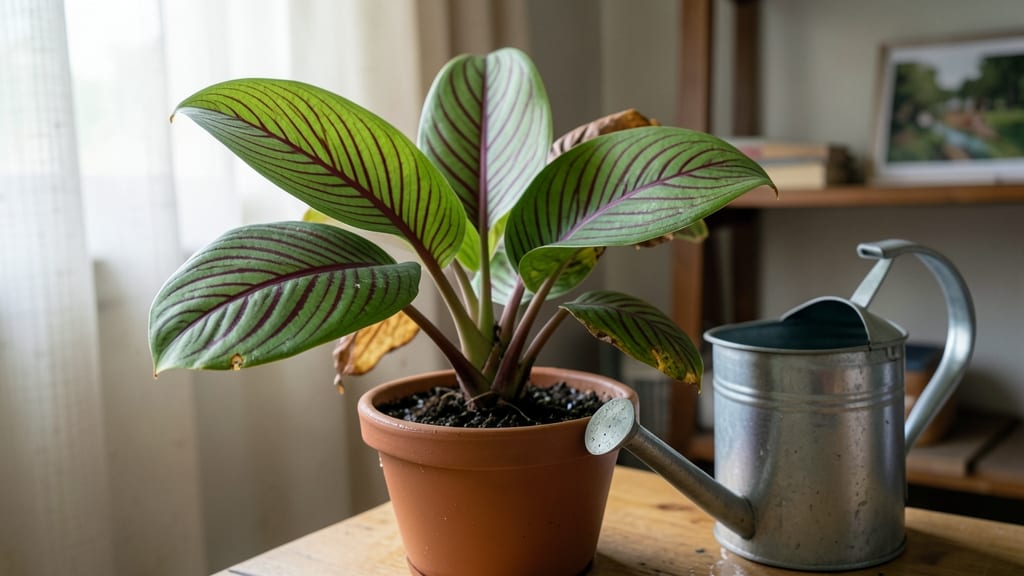
An overwatered prayer plant can look like a sad, droopy mess—yellow leaves, mushy stems, and roots that’ve turned to mush. I’ve nursed more than a few back to life after drowning them, and the good news is that revival is simpler than you’d think.
The key is stopping the water torture, giving roots room to breathe, and letting the plant tell you when it’s thirsty again.
Here’s what’s really happening: too much water cuts off oxygen, smothers roots, and invites fungal rot. Prayer plants are tropical, but they hate soggy feet—even more than they love humidity. The fix starts with holding off on watering until the top inch of soil feels dry to the touch.
Then, repot in a container with drainage holes and a fast-drying mix like 60% peat or coconut coir, 30% perlite, and 10% orchid bark.
Within a week, you’ll see new growth pushing through—first as tiny, crisp leaves, then as the deep green, velvety foliage you love. The plant will start its classic "prayer" pose again, lifting its leaves at night like nothing ever happened.
Just remember: these guys prefer their soil to dry out between waterings, and a saucer under the pot keeps roots from sitting in standing water.
This works just as well for prayer plants in pots as it does for those in hanging baskets or terrariums. The only difference is adjusting for container size—smaller pots dry out faster, so check soil moisture more often.
Once you’ve got the rhythm down, your prayer plant will bounce back faster than you can say "root rot."
Root Causes Of Excess Moisture
When your Maranta leuconeura (commonly called the prayer plant) starts wilting despite wet soil or develops yellowing leaves, the issue often boils down to one thing: overwatering. But why does this happen so frequently? Let’s break down the science—and the sneaky habits—behind it.
Prayer plants thrive in consistently moist but well-draining soil, but many gardeners fall into the trap of treating them like tropical rainforest plants that need constant soaking. Here’s why this backfires:
- Misjudging soil dryness: Sticking your finger just 1 inch into the soil (as recommended) can feel dry at the surface, but deeper layers may still hold excess water. Prayer plants have shallow root systems, so moisture lingers where it shouldn’t.
- Watering on a schedule: Unlike succulents, prayer plants don’t follow a rigid watering calendar. Their needs shift with light, humidity, and temperature. A rigid routine (e.g., "every Tuesday") ignores these variables.
- Using the "topsoil test" wrong: If you water when the top inch feels dry but the pot lacks drainage holes, water pools at the bottom, suffocating roots in anaerobic conditions (lack of oxygen).
Pro Tip: 💡 Water when the top 1–2 inches of soil feel dry to the touch—but always check the bottom of the pot for sogginess. If it’s damp, wait another day.
A prayer plant’s roots are sensitive to waterlogged conditions, yet many pots and soil mixes inadvertently create the perfect storm for root rot. Here’s how:
| Problem | Why It Happens | Fix It |
|---|---|---|
| 🪴 No drainage holes | Water sits at the bottom, drowning roots. Even "self-watering" pots can trap moisture. | Drill holes in the bottom if repotting. Use a cache pot (outer decorative pot with a saucer) to hide drainage. |
| 🌱 Heavy, clay-based soil | Clay and garden soil compact easily, slowing drainage and trapping air pockets. Roots suffocate. | Amend with perlite, orchid bark, or coco coir (20–30% of the mix) to improve aeration. |
| 💧 Overpotting | A pot that’s too large holds excess water for weeks, outpacing the plant’s ability to absorb it. | Choose a pot only 1–2 inches wider than the root ball. Terracotta (unglazed) helps wick away moisture. |
Pro Tip: 🔥 If your plant is already root-bound, repot into a slightly larger container with fresh, airy mix—but never double its current size.
Prayer plants are finicky about their surroundings, and certain conditions accelerate the damage from overwatering:
- Low light + high humidity: In dim spaces (like bathrooms), photosynthesis slows, so the plant transpires less (releases less water). Combined with humidity, soil stays wet longer.
- Cold drafts or AC vents: Cool air reduces root activity, making the plant less efficient at absorbing water. Roots stay soggy, inviting rot.
- Plastic pots without airflow: Unlike terracotta, plastic doesn’t breathe. Moisture evaporates 50% slower, keeping roots in a damp prison.
Pro Tip: 🌡️ Move your plant to a spot with bright, indirect light (e.g., near an east or north window) and avoid placing it near AC units or drafty doors.
Understanding these triggers is the first step to reviving your prayer plant. Next, we’ll cover how to drain excess moisture safely—without shocking the roots.
Revive Your Drowning Prayer Plant
If your prayer plant (Maranta leuconeura) is looking more like a sad, soggy mess than its usual vibrant self, don’t panic—it’s likely just suffering from overwatering. The good news? With a few targeted steps, you can nurse it back to health and keep it thriving.
Below, we’ll break down the fixes based on the most common causes of overwatering, plus prevention tips to avoid future soggy disasters.
Yellow leaves are your plant’s SOS signal. When roots sit in waterlogged soil, they suffocate, leading to nutrient starvation and leaf discoloration.
Step-by-Step Revival:
- 🌱 Stop Watering Immediately
- Let the soil dry out completely before watering again. Stick your finger 1–2 inches into the soil—if it’s damp, wait.
- 💧 Drain the Excess Moisture
- Repot the plant in fresh, well-draining soil (a mix of peat, perlite, and orchid bark works well). If repotting isn’t an option, scoop out the soggy topsoil and replace it with dry potting mix.
- 🌿 Trim the Damage
- Snip off any yellow or mushy leaves with clean scissors. Healthy leaves will bounce back faster without the dead weight.
- 🌞 Adjust Light & Humidity
- Move your plant to bright, indirect light (east or north-facing windows are ideal). Prayer plants hate direct sun, but they also need light to recover.
💡 Pro Tip: After repotting, water only when the top inch of soil feels dry. Overwatering again is the #1 mistake after a rescue!
If your plant’s leaves are wilting, brown at the edges, or falling off despite dry soil, root rot may have set in. This fungal infection thrives in waterlogged conditions and can be deadly if ignored.
Step-by-Step Revival:
- 🔪 Inspect the Roots
- Gently remove the plant from its pot and rinse the roots under lukewarm water. Healthy roots are firm and white; rotten roots are black, mushy, and smell foul.
- ✂️ Prune the Rotten Bits
- Use sterilized scissors to trim away all black, squishy roots. Keep only the firm, white portions.
- 🌱 Repot in Fresh Soil
- Choose a pot with drainage holes (if it doesn’t have them, drill some!). Fill it with a fast-draining mix like cactus soil blended with perlite.
- 💧 Water Sparingly
- Water only when the soil is bone-dry. For the first week, soak the soil lightly and let it dry out completely between waterings.
- 🌿 Monitor & Adjust
- Keep the plant in bright, indirect light and avoid misting until new growth appears (usually in 2–4 weeks).
🌡️ Pro Tip: If root rot is severe, try a hydrogen peroxide soak (1 part 3% peroxide to 4 parts water) for 10 minutes before repotting to kill fungus.
If your prayer plant’s leaves are small, pale, or not unfolding properly, it’s likely struggling to absorb nutrients due to compacted, soggy soil.
Step-by-Step Revival:
- 🌱 Loosen the Soil
- Gently fluff the soil around the roots with your fingers or a chopstick to improve airflow. Avoid disturbing the roots too much.
- 💧 Water Deeply but Infrequently
- Water only when the soil is completely dry, and do so thoroughly—aim for the water to drain out the bottom of the pot. Empty the saucer afterward to prevent root rot.
- 🌿 Fertilize Lightly
- Wait until new growth appears before fertilizing. Use a balanced, water-soluble fertilizer (like 10-10-10) diluted to half strength. Feed every 4–6 weeks in spring/summer.
- 🌞 Optimize Light & Airflow
- Prayer plants love humidity (60%+) but need airflow to dry out. Place a tray of water with pebbles near the plant (but not touching the leaves) to boost humidity without drowning the roots.
🎯 Pro Tip: Rotate your plant every few weeks so all sides get even light. Uneven growth often stems from light deprivation, not just water issues!
Once your plant is back on track, keep these habits to avoid future overwatering mishaps:
- ✅ Use the Finger Test: Stick your finger into the soil before watering. If it’s damp, wait.
- ✅ Upgrade Your Pot: Terracotta pots dry out faster than plastic. If you’re a frequent overwaterer, terracotta is your friend.
- ✅ Water in the Morning: This gives excess moisture time to evaporate during the day.
- ✅ Check Drainage: Ensure your pot has holes, and never let your plant sit in standing water.
- ✅ Adjust for Seasons: Prayer plants need less water in winter. Reduce watering by half during cooler months.
With these fixes, your prayer plant should start showing signs of recovery within 2–4 weeks. Keep an eye on its progress, and soon, those iconic folded leaves will be waving at you like they never left!
Frequently asked questions
How do I tell if my prayer plant is overwatered vs. underwatered?
Check the soil and leaves: Overwatered prayer plants have yellowing leaves, mushy stems, and soil that stays damp for days. Underwatered plants develop crispy, brown edges and dry soil that pulls away from the pot edges. The key difference? Overwatered plants wilt despite wet soil, while underwatered ones wilt because the soil is bone-dry.
Can I save a prayer plant with black, mushy roots?
Yes, but you’ll need to act fast! Trim away all black, squishy roots with sterilized scissors, then repot in fresh, fast-draining soil. Water lightly only when the soil is completely dry. For severe cases, soak the remaining roots in 3% hydrogen peroxide (1:4 ratio) for 10 minutes before repotting to kill fungus.
Why does my prayer plant keep getting overwatered even when I’m careful?
Common traps include using pots without drainage holes, heavy clay soil, or ignoring seasonal changes. Prayer plants need bright, indirect light to dry out faster—dim corners keep soil wet longer. Also, terracotta pots dry out 50% faster than plastic, so switch containers if you’re a frequent overwaterer.
How often should I water a prayer plant after recovery?
Wait until the top 1–2 inches of soil feel dry to the touch, then water thoroughly until it drains from the bottom. Empty saucers afterward! In winter, reduce watering by half since growth slows. Pro tip: Use a moisture meter for accuracy—prayer plants hate soggy feet but also need consistent moisture.
Will my prayer plant grow back if all the leaves turn yellow?
Trim off the yellow leaves (they’re dead weight) and focus on reviving the roots. New growth will emerge from the base within 2–4 weeks if you stop watering immediately, repot in fresh soil, and provide bright, indirect light. Just avoid fertilizing until you see fresh green leaves—nutrients can stress compromised roots.