
Watering
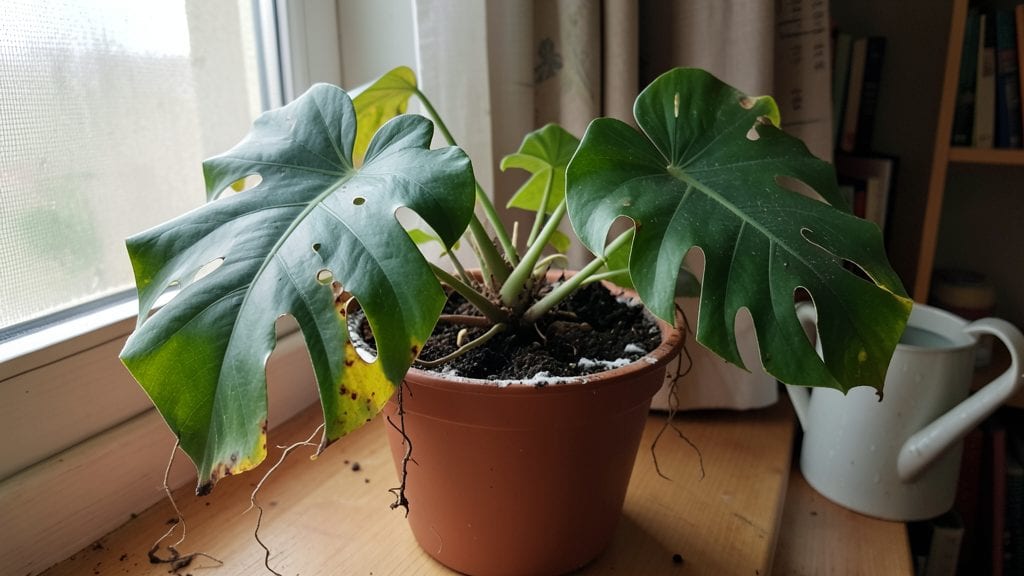
An overwatered pot plant is the silent killer of houseplants—yellow leaves, mushy stems, and that dreaded sour smell tell the story. 🌱 I’ve nursed back more root-rot victims than I’d like to admit, and the first step is always stopping the water torture.
The fix isn’t complicated, but it does require a little detective work to figure out what’s really going on with your plant’s roots.
Most people assume overwatering means soggy soil, but the real damage happens when roots suffocate from poor drainage or compacted soil. That’s why I always check for moldy soil, wilted leaves despite wet conditions, and a pot that feels heavy when lifted—classic signs your plant is drowning.
The good news? With the right drainage tweaks, even severely stressed plants can bounce back in just a few weeks.
You’ll start by adjusting your watering routine (less often, but deeper), then repotting into a mix with perlite or sand to improve airflow. Prune away the worst damage, and watch as new growth signals your plant’s recovery.
The key is consistency—once you’ve fixed the drainage, stick with it, and your plant will thank you with lush, healthy foliage.
This works for everything from ferns to succulents, though tropical plants need slightly more moisture than drought-tolerant varieties. The same principles apply whether you’re dealing with a single pot or a whole collection—just adjust the timing and soil mix to match your plant’s needs. Let’s get those roots breathing again.
Why It Happens
Overwatering your pot plants is like giving them a drowning party—too much love, not enough air. But why does this happen so often? Let’s break down the real culprits behind soggy soil and struggling roots.
🚰 The Problem: Pots without proper drainage holes trap excess water, suffocating roots. Without an escape route, water pools at the bottom, cutting off oxygen and inviting fungal infections like Phytophthora or Pythium. Even "self-watering" pots can backfire if they lack airflow or overfill the reservoir.
🔍 Science Behind It: - Roots need oxygen (O₂) to respire—just like humans!
Water displaces air in soil pores, creating anaerobic conditions (low/no oxygen). - Microbes in waterlogged soil deplete oxygen faster, producing toxic byproducts like ethanol and acetic acid, which burn roots. - Clay or dense soils hold water longer, worsening the issue unless amended with perlite or sand.
💡 Pro Tip: Test your pot’s drainage by filling it with water—if it drains in less than 10 minutes, it’s likely safe. If not, upgrade to pots with multiple holes or add a gravel layer at the bottom.
🌱 The Problem: Not all soils drain equally. Heavy, clay-based mixes retain moisture like a sponge, while lightweight potting soils dry out too fast. If your plant thrives in sandy, fast-draining soil but lives in a moisture-loving mix, overwatering is inevitable.
🔍 Science Behind It:
- Clay particles (smaller than 0.002mm) pack tightly, reducing pore space for water to escape.
- Organic matter (like peat or coconut coir) holds water via capillary action, keeping roots wet longer.
- Sand drains quickly but lacks nutrients—balance is key!
💡 Pro Tip: Mix 30% perlite or vermiculite into clay-heavy soil to improve aeration. For succulents or cacti, use a cactus/succulent mix (50% mineral grit).
💦 The Problem: "Just in case" watering leads to soggy roots. Many gardeners assume plants need daily hydration, but most pot plants thrive on neglect—not drowning.
🔍 Science Behind It: - Pot size matters: A 6-inch pot dries out faster than a 12-inch one.
Larger pots hold more water but also more soil, delaying evaporation. - Humidity plays a role: High humidity (like in bathrooms or kitchens) slows evaporation, keeping soil damp longer. - Seasonal needs: Plants in winter dormancy (like houseplants) need far less water than those in spring/summer.
💡 Pro Tip: Stick your finger 1–2 inches into the soil—if it’s dry, water; if damp, wait. Use a moisture meter for precision.
🏺 The Problem: Not all pots behave the same. Terracotta "breathes," while plastic traps moisture. Glazed ceramic or plastic pots can turn into greenhouse-like prisons, where water evaporates slowly.
🔍 Science Behind It:
- Terracotta is porous—it wicks moisture out of the soil, drying it faster.
- Plastic/glazed pots act as insulators, slowing evaporation and keeping roots wet.
- Self-watering pots (like Lechuza) can over-saturate if the plant doesn’t drink enough.
💡 Pro Tip: Switch to unglazed terracotta for thirsty plants (e.g., ferns) or plastic for succulents. If using self-watering pots, empty the reservoir if the plant isn’t drinking in 3–5 days.
🌦️ The Problem: Low light, high humidity, or cold temps trick plants into thinking they need more water—when really, they’re just stressed.
🔍 Science Behind It:
- Low light = slower photosynthesis → Less water vapor escapes through leaves (transpiration drops).
- Cold temps reduce microbial activity in soil, slowing water absorption.
- High humidity (e.g., rainforest plants in a bathroom) means less evaporation from soil.
💡 Pro Tip: Move plants to brighter spots (but avoid direct sunburn) and reduce watering in winter. Group plants together to create a microclimate with balanced humidity.
🌿 The Problem: Roots circling the pot or a pot too large for the plant create a false sense of thirst. Roots in stagnant water rot faster when confined.
🔍 Science Behind It:
- Circling roots (from being root-bound) compete for oxygen, worsening waterlogging.
- Overpotted plants have excess soil that stays damp longer, even if the plant itself is small.
- Slow-growing plants (like snake plants) in big pots sit in wet soil for weeks.
💡 Pro Tip: Repot every 1–2 years and choose a pot only 1–2 inches larger than the root ball. For slow growers, underpot (use a smaller pot inside a decorative one).
🤖 The Problem: Smart pots, drip systems, or even "forgetful" owners can drown plants without realizing it. Set-it-and-forget-it systems often overcompensate.
🔍 Science Behind It:
- Automatic timers don’t account for weather changes (e.g., sudden rain).
- Wick-based systems (like in self-watering pots) can over-supply if the plant isn’t drinking.
- Travel or vacations mean no one notices yellowing leaves until it’s too late.
💡 Pro Tip: Use smart sensors (like Blume or Tero) that adjust watering based on soil moisture. For trips, pre-water deeply and place pots in shaded, breezy spots to slow evaporation.
Revive and Prevent Soggy Soil Issues
Now that you know the signs and causes of an overwatered pot plant, it’s time to take action! The good news is that with the right steps, you can nurse your plant back to health and prevent future waterlogging.
Below, we’ve mapped out practical solutions based on the most common causes—plus pro tips to keep your plant thriving.
If your plant’s roots are mushy or the soil feels like a swamp, it’s suffering from root rot or poor drainage. Here’s how to turn things around:
🔥 Step 1: Remove the Plant Gently
Carefully take the plant out of its pot, being mindful of fragile roots. If the roots are black, slimy, or crumbling, trim them with sterilized scissors (dip in rubbing alcohol) to remove the damaged parts.
Healthy roots are firm and white or light brown.
🍳 Step 2: Refresh the Soil
Dump out the old, soggy soil—it’s no longer doing its job. Rinse the roots lightly under lukewarm water to remove excess debris, but avoid soaking them. If the pot has no drainage holes, it’s time for an upgrade (more on that below!).
👨🍳 Step 3: Repot with Well-Draining Mix
Use a fresh potting mix designed for your plant type (e.g., cactus/succulent mix for drought-lovers, peat-based for tropicals). Add perlite, vermiculite, or orchid bark (20-30%) to improve aeration.
If your plant loves moisture (like ferns or calatheas), a moisture-retentive mix with added sand or coconut coir works better.
🥘 Step 4: Let It Dry Out Before Watering Again
Place the plant in its new pot and skip watering for 3–5 days to let any residual moisture evaporate. Then, water only when the top 1–2 inches of soil feel dry (use your finger as a guide!).
For tropical plants, bottom-watering (placing the pot in a tray of water for 10–15 minutes) can help prevent overwatering.
Overwatering often starts with poor timing or technique. Reset your routine with these fixes:
⏰ Know When to Water
- Stick your finger in the soil—if it’s damp 1–2 inches down, wait.
- Weigh the pot—if it’s lighter than usual, it’s time to water.
- Check the plant’s needs—succulents (like snake plants) need water every 2–3 weeks, while ferns may need it weekly.
🌡️ Water Deeply but Less Often
Instead of light, frequent watering, soak the soil thoroughly until water drains from the bottom. Empty the saucer afterward to prevent root suffocation. For potted plants without drainage, water only when the soil is bone-dry (and consider upgrading the pot!).
🎯 Prevent Future Overwatering
- Use moisture meters ($10–$20 on Amazon) for foolproof readings.
- Group plants with similar needs together to streamline care.
- Mistake-proof tip: If you’re forgetful, try the "knuckle test"—insert your knuckle into the soil. If it slides in easily, hold off on watering.
Sometimes, the pot itself is the problem. Here’s how to fix it:
🔪 Add Drainage Holes (If Missing)
If your pot has no holes, drill 2–4 small holes in the bottom (use a nail or drill bit). For decorative pots without drainage, double-pot—place a cache pot with holes inside a stylish outer pot.
✨ Choose the Right Pot Material
- Terracotta wicks away moisture (great for succulents).
- Plastic retains moisture longer (better for tropicals).
- Avoid glazed pots—they trap water against roots.
🌿 Elevate the Pot
Place your plant on feet or a saucer to improve airflow underneath. This prevents water from pooling and encourages faster evaporation.
- 🌡️ Humidity matters: If your home is dry (like in winter), group plants together or use a pebble tray with water to increase humidity—but avoid soggy soil. - 🍃 Prune yellow leaves: Snip off any yellowing leaves to redirect energy to healthy growth. - ☀️ Light check: Overwatered plants often get leggy from lack of light.
Move them to bright, indirect light (no harsh sunburn!). - 🚫 Avoid ice cube watering: While it sounds clever, it can shock roots and compact soil faster. Stick to room-temperature water.
| Problem | Quick Fix | Prevention |
|---|---|---|
| Mushy roots | Trim rot, repot with fresh soil | Water only when topsoil is dry |
| No drainage holes | Drill holes or double-pot | Choose pots with built-in drainage |
| Compacted soil | Add perlite/vermiculite | Use chunky, airy potting mixes |
| Overwatering habit | Finger test + weigh pot | Set phone reminders for watering days |
With these steps, your overwatered pot plant should bounce back in 2–4 weeks. The key is patience—roots need time to recover, and consistency in care will keep them thriving. Now, grab your shears and potting mix, and give your green friend a second chance! 🌿✨
Frequently asked questions
How do I know if my pot plant is overwatered instead of underwatered?
Check for yellowing leaves that feel soft or mushy (not crisp), wilting despite wet soil, or a sour smell from the pot. Tap the pot—if it feels heavy with soggy soil, that’s a red flag. Underwatered plants usually have dry, crispy brown edges and lightweight pots.
Can I save a plant with black, mushy roots?
Yes! Trim away all black, slimy roots with sterilized scissors, then repot in fresh, well-draining mix (add perlite or sand). Skip watering for 3–5 days to let roots recover. Healthy roots are firm and white—new growth should appear in 2–4 weeks if you adjust watering habits.
What’s the best soil mix to prevent overwatering?
For most plants, blend 60% potting soil, 30% perlite, and 10% sand or orchid bark. Succulents need 50% mineral grit (like pumice) for extra drainage. Avoid peat-heavy mixes—they hold too much moisture. Always use a pot with drainage holes!
Why does my plant keep getting overwatered even after fixing the pot?
Common culprits: inconsistent watering (check soil moisture before watering), humidity changes (group plants by needs), or seasonal shifts (plants need less water in winter). Try the \"knuckle test\": if your knuckle slides into damp soil easily, wait to water. Use a moisture meter for precision.
Can I use coffee grounds to help with overwatered soil?
No—coffee grounds compact soil and worsen drainage. Instead, mix in orchid bark or coconut coir to improve airflow. For a quick fix, top-dress with sand or perlite to break up soggy layers. Focus on drainage first, then adjust watering.