
Watering
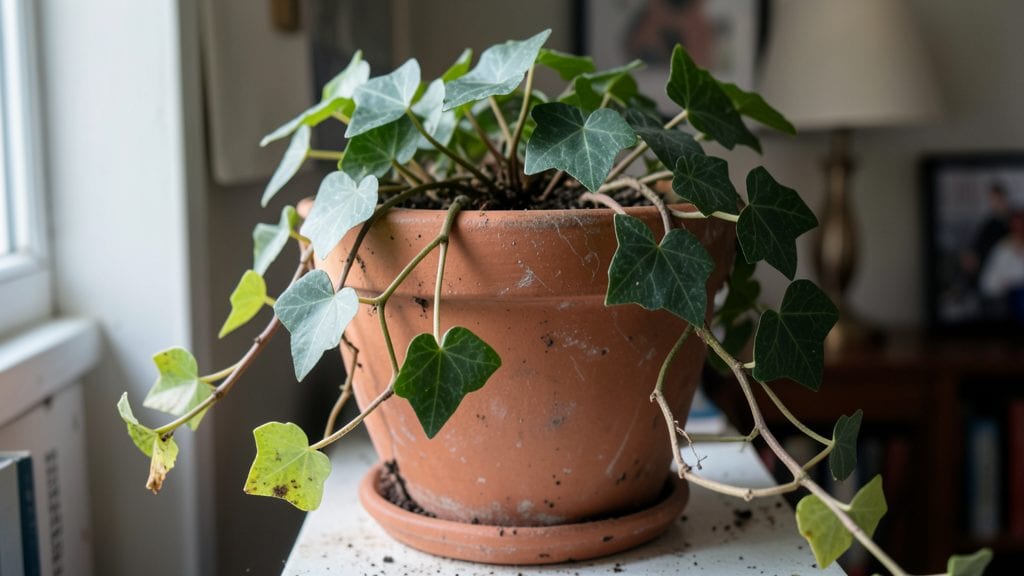
That drooping, overwatered ivy plant with its yellow leaves and mushy stems isn’t a death sentence—just a cry for help. 🌱 I’ve nursed back more soggy ivies than I’d like to admit, and the fix is simpler than you’d think.
The key is acting fast to stop the rot while giving the roots a fighting chance to recover.
Overwatering creates a suffocating environment where roots can’t breathe, leading to those telltale yellow patches and limp growth. Most people assume wilting means thirst, but ivy in soggy soil is drowning—not dehydrated. The good news? With the right adjustments, your plant can bounce back in just a few weeks.
You’ll start by letting the soil dry out completely between waterings and repotting into fresh, well-draining mix. Prune away the worst-affected leaves to redirect energy, and within days, you’ll see new green growth pushing through. The secret is consistency—once you reset the watering rhythm, your ivy will thrive.
This works for both potted ivy and trailing varieties in hanging baskets. The same principles apply whether your plant is indoors by a window or outdoors in partial shade. Let’s turn those yellow leaves into a thing of the past!
Root Causes Of Overwatering
Ivy plants (like Hedera helix) are hardy climbers, but their roots are sensitive to excess moisture. When they get too much water, a chain reaction of stress triggers the classic signs you’re seeing—yellowing leaves, drooping stems, or even root rot.
Understanding the why behind overwatering is the first step to fixing it. Let’s break down the key culprits:
Ivy thrives in well-draining soil, but compacted or heavy clay soil acts like a sponge, holding onto water instead of letting it drain. When roots sit in soggy conditions for too long, they suffocate because:
- Oxygen depletion: Roots need air to respire (breathe). Water fills the soil pores, cutting off oxygen, which triggers anaerobic conditions—a toxic environment for roots.
- Fungal growth: Excess moisture creates the perfect breeding ground for Phytophthora and Pythium, fungi that attack root cells, leading to rot.
- Nutrient lockout: Waterlogged soil binds essential nutrients (like nitrogen and phosphorus) too tightly, starving the plant even as it’s drowning.
Actionable fix: Amend soil with perlite, coarse sand, or orchid bark (20-30%) to improve aeration. For potted ivy, ensure pots have drainage holes and use a mix designed for epiphytes or trailing plants.
Many gardeners water ivy based on time ("every Tuesday") rather than the plant’s actual moisture needs. Ivy is drought-tolerant once established, and its thick, waxy leaves store water—meaning it can survive longer dry spells than you’d expect. Overwatering stems from:
- Ignoring soil moisture: Sticking your finger 1-2 inches into the soil is the gold standard. If it’s damp, wait. If it’s bone-dry, water deeply but less frequently.
- Mistaking thirst for thirstiness: Ivy wilts slightly in dry conditions (a survival mechanism), but this isn’t the same as the floppy, mushy wilting of overwatering.
- Small, frequent waterings: Light sprinkles keep the topsoil wet but leave roots in a cycle of temporary drought followed by shock when you water again.
Actionable fix: Water thoroughly when the top 1-2 inches of soil are dry, then let the plant drink deeply. For potted ivy, bottom-watering (placing the pot in a tray of water for 10-15 minutes) encourages roots to seek moisture efficiently.
Ivy roots spread aggressively, but a pot that’s too large holds excess moisture for days or weeks. The bigger the pot, the longer it takes to dry out—even with drainage holes. Overwatering risks rise because:
- Excess substrate volume: More soil = more water retention. A 6-inch pot may stay soggy for a week after watering, while a 4-inch pot dries in 3-4 days.
- Root-bound stress: If ivy is cramped, roots can’t explore the soil efficiently, leading to uneven moisture distribution and localized waterlogging.
- Decorative pots without drainage: Ceramic or plastic pots without holes act like bathtubs, trapping water at the bottom where roots can’t escape.
Actionable fix: Choose pots that are only 1-2 inches larger in diameter than the root ball. For mature ivy, upgrade pots gradually (every 2-3 years). Always use a cache pot (a secondary pot with drainage) if your decorative pot lacks holes.
Ivy loves humidity but despises cold, damp conditions. When temperatures drop (below 60°F/15°C) or humidity spikes (like in a closed terrarium), the plant’s metabolic rate slows, and roots absorb water too slowly. This creates a double whammy:
- Slow evaporation: Cool air reduces transpiration (water loss through leaves), so the plant doesn’t "drink up" excess water, leading to root suffocation.
- Fungal blooms: High humidity + stagnant water = ideal conditions for Botrytis (gray mold) or Erwinia (bacterial soft rot).
- Chilling injury: Ivy roots are sensitive to temps below 50°F (10°C). Cold soil + wet roots = cell damage, even if the leaves look fine.
Actionable fix: Move potted ivy to a bright, dry spot (like a windowsill away from bathrooms). In winter, reduce watering by half and avoid letting pots sit on cold surfaces (like concrete). Use a hygrometer to monitor humidity—keep it below 60% for potted ivy.
Pro tip: 🌡️ If your ivy’s leaves feel slimy or mushy when touched, it’s a red flag for bacterial rot—act fast by trimming affected areas and repotting in fresh, dry soil.
Revive Your Ivy: Step-by-Step Fixes
If your ivy plant is looking sad with yellowing leaves, wilting stems, or mushy roots, it’s time to take action! Overwatering can be a silent killer, but with the right steps, you can nurse your ivy back to health.
Below, we’ve mapped out practical solutions based on the most common causes—so you can diagnose and fix the issue fast. Plus, we’ll share prevention tips to keep your ivy thriving long-term.
If your ivy’s roots are soft, black, or smelly, root rot is the culprit. This happens when soil stays soggy for too long, cutting off oxygen and inviting fungal growth.
🔥 Step 1: Remove the Plant Gently
- Carefully lift the ivy from its pot to inspect the roots.
- Gently shake off excess soil to assess damage. Healthy roots are firm and white; rotten roots are mushy and dark.
🍳 Step 2: Trim the Damaged Roots
- Use sterilized scissors or pruning shears to snip away any black, mushy, or slimy roots.
- Cut back to healthy, firm tissue—don’t worry, new roots will grow!
👨🍳 Step 3: Repot in Fresh, Well-Draining Soil
- Choose a pot with drainage holes (if it doesn’t have them, drill a few).
- Use a lightweight, well-draining potting mix (like a blend of peat moss, perlite, and orchid bark).
- Refrain from watering immediately—let the roots dry out for 24 hours before repotting.
🥘 Step 4: Adjust Your Watering Routine
- Wait until the top 1–2 inches of soil are dry before watering again.
- Water thoroughly but infrequently—ivy prefers to dry out slightly between drinks.
- Pro Tip: 💡 Use a moisture meter or the finger test to check soil moisture before watering.
If your ivy’s leaves are yellowing but the roots still look healthy, the issue might be overwatering stress without full rot. Here’s how to correct it:
⏰ Step 1: Let the Soil Dry Out Completely
- Skip watering for at least 3–5 days to let excess moisture evaporate.
- If the pot is heavy, it’s likely still too wet—wait longer.
🔪 Step 2: Prune Damaged Foliage
- Snip off yellow or brown leaves with clean scissors to redirect the plant’s energy to new growth.
- Don’t trim more than 1/3 of the plant at once to avoid shocking it.
🌡️ Step 3: Improve Airflow and Light
- Move your ivy to a bright, indirect light spot (like near a window with sheer curtains).
- Ensure the area has good airflow—avoid cramming it in tight spaces or near humidifiers.
🎯 Step 4: Water Only When Necessary
- Water only when the top inch of soil is dry.
- Use the bottom-watering method (place the pot in a tray of water for 10–15 minutes) to encourage even moisture distribution.
- Pro Tip: ✨ Use a terracotta pot—it wicks away excess moisture faster than plastic.
Once your ivy is on the mend, follow these tips to prevent overwatering in the future:
- ✅ Upgrade Your Pot: Always use containers with drainage holes. If repotting isn’t an option, add a layer of pebbles or charcoal at the bottom to improve drainage.
- ✅ Use the Right Soil Mix: Ivy thrives in fast-draining, chunky soil. Avoid heavy garden soil—opt for a mix with perlite, vermiculite, or coconut coir.
- ✅ Stick to a Watering Schedule: Instead of guessing, water on a set schedule (e.g., every 7–10 days in warm months, less in winter). Adjust based on your home’s humidity.
- ✅ Check Humidity Levels: Ivy prefers moderate humidity (40–50%). If your home is dry, mist the leaves occasionally or use a pebble tray.
- ✅ Monitor for Pests: Overwatered plants attract fungus gnats and mold. If you see tiny flies or a white, fuzzy growth, treat with neem oil or hydrogen peroxide spray.
With these fixes, your ivy should bounce back in 4–6 weeks. Keep an eye on its progress, and soon you’ll have a lush, happy trailing friend climbing its way to recovery! 🌿💚
Frequently asked questions
Why do my ivy leaves turn yellow when I water it regularly?
Yellow leaves often signal overwatering because ivy roots suffocate when soil stays too wet. The plant can't absorb oxygen, leading to nutrient deficiencies. Check if the top 1-2 inches of soil are dry before watering again—ivy prefers slightly dry conditions between drinks.
Can I save my ivy if the stems feel mushy?
Yes, but act fast! Mushy stems indicate root rot from prolonged soggy soil. Trim away damaged areas, repot in fresh, well-draining mix, and let the soil dry completely for 3-5 days before watering again. Place it in bright, indirect light to help recovery.
How often should I water potted ivy?
Water potted ivy only when the top 1 inch of soil feels dry—typically every 7-10 days in warm months. In winter, reduce to every 2-3 weeks. Bottom-watering (placing the pot in a tray of water for 10 minutes) helps prevent overwatering.
What's the best soil mix to prevent overwatering?
Use a chunky, fast-draining mix like 50% peat moss, 30% perlite, and 20% orchid bark. This prevents compaction and improves airflow to roots. Avoid heavy garden soil or mixes without amendments—they hold too much moisture.
Will my ivy recover if I stop watering completely?
Not recommended! Stopping water entirely can cause stress, but let the soil dry completely between waterings. Ivy stores water in its leaves, so it can survive short dry spells. After 3-5 days of no water, check soil moisture before deciding.