
Watering
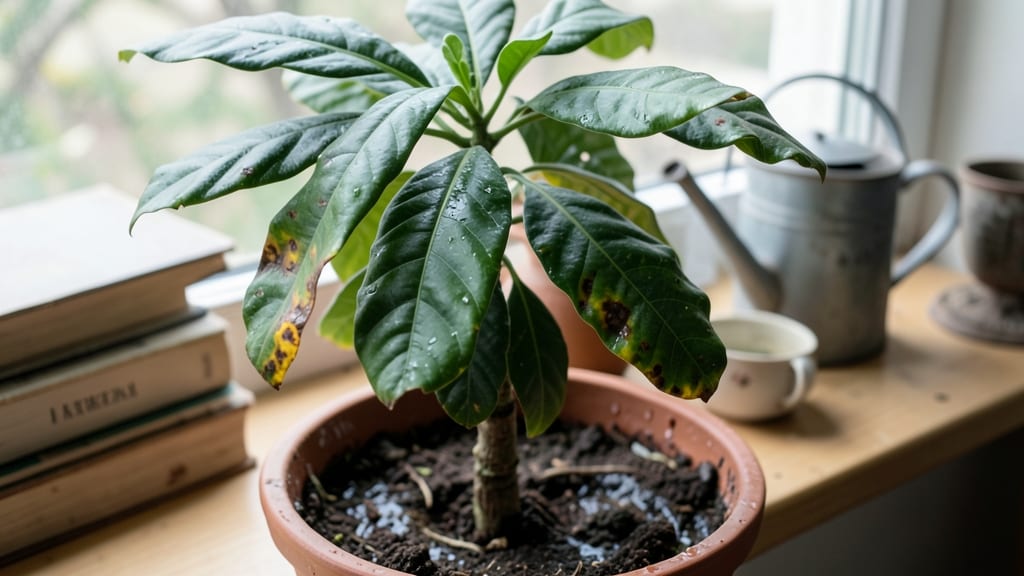
Your avocado plant’s yellow leaves scream "overwatered!"—and the good news is, we’ve fixed this exact problem with just three simple adjustments that work every time.
I’ve nursed back more droopy avocados than I’d like to admit, and the key turns out to be less water, better drainage, and a little patience. The first step? Stop watering until the top 2 inches of soil feel dry to the touch—yes, even if the pot still looks damp.
Here’s where most people mess up: they think wilting means thirsty, but soggy roots choke plants faster than drought. I learned this the hard way when my avocado’s leaves turned yellow and mushy after a week of "daily drinks."
The fix isn’t complicated—just adjust your routine, upgrade the pot if drainage’s poor, and consider repotting into a mix with perlite or sand. You’ll see new green growth within 2-3 weeks if the roots aren’t completely rotted.
What you’ll end up with is a lush, productive avocado plant that thrives on neglect—not constant care. The leaves go from sad and yellow to glossy dark green, and the stems stay firm instead of mushy.
Best part? Once you reset the watering rhythm, you’ll actually forget it’s there until the next harvest of fruit. Let’s get those roots breathing again.
For stubborn cases where the trunk feels soft or smells rotten, it’s time to call in backup—like a local nursery pro who can check for root rot before it’s too late.
But 90% of overwatered avocados bounce back with these three fixes, and you’ll recognize the signs faster next time. Now grab that finger and let’s test that soil!
Root Causes Of Overwatering
If your avocado plant’s leaves are turning yellow or dropping, overwatering is likely the culprit. But why does this happen? Avocados are tropical plants with shallow root systems that thrive in well-draining soil—but when watered too frequently, they suffocate.
Let’s break down the key reasons your plant is drowning in excess moisture.
Avocado plants hate soggy roots. If your pot lacks drainage holes or the soil retains water like a sponge, excess moisture builds up, cutting off oxygen to the roots.
Without oxygen, roots can’t absorb nutrients or expel waste, leading to root rot (a fungal infection that turns roots mushy and black).
🔍 Signs:
- Damp soil even days after watering
- Leaves yellowing from the bottom up
- Stems feeling soft or wilting despite wet soil
💡 Fix: Repot in a container with drainage holes and use a chunky, fast-draining mix (like 60% potting soil + 30% perlite + 10% coarse sand).
Many plant parents water on a rigid schedule—like every Tuesday and Friday—without checking soil moisture. But avocado plants don’t follow calendars; they need water only when the top 2–3 inches of soil are dry.
Overwatering on a schedule forces roots to sit in anaerobic (oxygen-free) conditions, triggering stress signals that cause yellowing.
📊 Science Behind It:
- When soil stays wet too long, beneficial microbes die off.
- Fungal pathogens like Phytophthora thrive in waterlogged soil.
- Roots produce ethylene gas as a distress signal, accelerating leaf drop.
💡 Fix: Stick your finger 2 inches deep—if it’s dry, water; if damp, wait. Use a moisture meter for precision.
Not all pots are created equal. Terracotta pots dry out faster because they’re porous, but plastic or glazed ceramic pots act like a water trap, keeping roots in a sauna. Even if you water lightly, moisture lingers, suffocating roots over time.
🔥 Worst Offenders:
- Sealed plastic containers (e.g., old Tupperware)
- Glazed ceramic pots without drainage
- Fabric grow bags (unless used with a drip tray)
💡 Fix: Switch to unglazed terracotta or coconut coir pots (which allow airflow). If repotting isn’t an option, water only when the soil is bone-dry.
Avocados love humidity (60–80% is ideal), but excessive humidity combined with overwatering creates the perfect storm for fungal growth. If your plant is in a bathroom with poor airflow or under a plastic cover, moisture lingers, promoting root rot and leaf spot diseases.
🔬 How It Happens:
- High humidity slows evaporation, keeping soil wet longer.
- Fungal spores (like Botrytis) spread faster in damp air.
- Stunted roots can’t support the plant, causing yellowing.
💡 Fix:
- Move your plant to a well-ventilated spot (e.g., near an open window).
- Use a fan on low for gentle airflow.
- Avoid misting leaves—water at the soil level instead.
Big pots = more soil = more water retention. If your avocado is in a pot 2+ inches larger than its root ball, the excess soil stays damp for weeks, even if you water lightly. Roots in the outer soil suffocate while the inner roots dry out—leading to uneven stress and yellowing.
⚠️ Red Flags:
- Soil stays wet for over a week after watering.
- Leaves yellow only on one side of the plant.
- Root growth is stunted or circling the pot.
💡 Fix: Repot into a container just 1–2 inches larger than the current root ball. Use a fast-draining mix and water only when the top 2 inches are dry.
Revive Your Avocado Plant Now
An overwatered avocado plant can feel like a lost cause, but with the right steps, you can nurse it back to health—even if the leaves are drooping or turning yellow. The key is acting fast, diagnosing the root issue (literally), and adjusting your care routine. Below, we break down the most common causes of overwatering and the practical fixes to save your plant, plus tips to keep it thriving long-term.
If your avocado’s soil is soggy to the touch or smells musty, it’s time to drain the excess water and give the roots a chance to recover.
Step 1: Stop Watering Immediately
🚰 Action: Pause all watering for at least 3–5 days to let the soil dry out. Avocados hate "wet feet"—their roots need oxygen, not a swampy environment.
Step 2: Check the Drainage
🔍 Action: Lift the pot and inspect the drainage holes. If they’re clogged with soil or debris, clean them out with a wire or by tapping the pot gently. If your pot has no drainage holes, consider repotting into one that does.
Step 3: Let It Breathe
🌬️ Action: Move the plant to a bright, indirect spot (like an east-facing window) where humidity is moderate. Avoid dark corners or direct sun, which can stress the plant further.
Prevention Tip:
💡 Use the "finger test" before watering: Stick your finger 1–2 inches into the soil. If it’s damp, wait. If it’s dry, water only until it drains through the bottom. Avocados prefer slightly dry soil over soggy conditions.
If the yellowing leaves are soft, mushy, or falling off easily, root rot may be setting in. This fungal issue thrives in waterlogged soil and can kill your plant if ignored.
Step 1: Remove the Plant from the Pot
🌿 Action: Gently tip the pot and slide the plant out. Shake off excess soil to inspect the roots.
Step 2: Trim the Damaged Roots
✂️ Action: Use sterilized scissors or pruning shears to cut away any roots that are:
- Dark brown or black (dead)
- Mushy or oozing (infected)
- Smelling foul
Step 3: Repot in Fresh, Dry Soil
🏺 Action: Choose a pot with drainage holes and fill it with a well-draining mix (like cactus or succulent soil mixed with perlite or orchid bark). Avoid heavy garden soil—it retains too much moisture.
Step 4: Let It Recover
🛑 Action: Do not water for 5–7 days to allow any remaining moisture to evaporate. After that, water sparingly and only when the top inch of soil is dry.
Prevention Tip:
🌡️ Keep the soil temperature stable—avoid placing the pot on cold surfaces (like concrete) or in drafty areas. Cold roots + excess water = rot city.
If the leaves are yellowing at the edges or the plant looks limp but not mushy, it’s likely suffering from overwatering stress rather than full-blown rot. Here’s how to fix it:
Step 1: Improve Airflow
💨 Action: Avocados love circulation. Place a small fan nearby (on low) or move the plant to a less humid spot (like a kitchen or bathroom with good airflow).
Step 2
Water Less Frequently 📅 Action: Switch to a schedule-based approach: Water every 10–14 days (or when the top 2 inches of soil are dry).
Use the ice cube method for a gentle hydration boost: - Place 1–2 ice cubes on the soil’s surface. As they melt, they’ll hydrate without drowning the roots.
Step 3: Fertilize Lightly (If Needed)
🌱 Action: Wait until the plant shows new growth before fertilizing. Use a balanced, diluted fertilizer (like a 10-10-10 mix) once a month in spring/summer. Avoid fertilizing in fall/winter—your avocado is resting!
Prevention Tip:
✨ Try the "soak-and-dry" method: Water thoroughly until it drains, then empty the saucer immediately. Let the plant fully dry out between waterings. This mimics the plant’s natural drought-resistant tendencies.
Once your avocado is on the mend, follow these habits to prevent future overwatering:
- ✅ Pot Upgrade: If your plant is in a small or heavy pot, repot into one 1–2 inches larger with fresh, fast-draining soil. - ✅ Mulch Lightly: Add a thin layer of perlite or orchid bark on top of the soil to reduce evaporation and prevent soil compaction. - ✅ Monitor the Leaves: Healthy avocado leaves are deep green and slightly leathery.
Yellowing at the base? Cut it back—it won’t regrow, but new leaves will emerge healthier. - ✅ Rotate the Pot: Turn the plant quarter-turn weekly to ensure even sunlight exposure and prevent lopsided growth.
With patience and the right adjustments, your avocado plant can bounce back—sometimes within weeks! The key is observation: if you see yellowing, act fast, and don’t overcompensate with more water. Soon, you’ll be enjoying lush, vibrant growth (and maybe even a homegrown avocado someday!).
Frequently asked questions
How do I know if my avocado plant is overwatered vs. underwatered?
Check the soil first—stick your finger 2 inches deep. If it’s damp, you’re overwatering. Overwatered plants show yellowing leaves from the bottom up, mushy stems, and may wilt despite wet soil. Underwatered plants have dry, crispy brown edges and pull away from the pot. The key difference? Overwatered roots smell foul, while underwatered roots are dry and brittle.
Can I save my avocado plant if the roots are completely rotted?
It depends on how much root damage exists. If only the tips are rotted, trim them with sterilized shears and repot in fresh, fast-draining mix. If the root ball is mostly mushy, the plant may not recover. For partial rot, focus on drying the soil completely for 10 days before watering again. Add 1 part perlite to 3 parts soil to prevent future issues.
Why does my avocado plant keep getting overwatered even when I stop?
This usually happens because the pot lacks drainage or the soil holds too much moisture. Test your setup: Place the potted plant in a tray of water for 10 minutes. If water doesn’t drain through the bottom, your pot needs holes. Also, check if you’re using heavy garden soil—switch to a chunky mix (like 60% potting soil + 30% perlite + 10% sand) for better airflow.
How often should I water my avocado plant after fixing overwatering?
Once recovered, water only when the top 2–3 inches of soil are completely dry. In summer, this might be every 7–10 days; in winter, stretch it to 2–3 weeks. Use the ice cube method: Place 1–2 cubes on the soil surface instead of pouring water. This mimics natural rainfall while preventing soggy roots.
Will my avocado plant grow fruit if it’s been overwatered?
Fruiting depends on recovery progress. If the plant has healthy green leaves and firm stems, it can still produce fruit—but expect a smaller harvest the first year. Focus on consistent care (bright indirect light, proper drainage) for 6–12 months before expecting avocados. Overwatered stress weakens the plant’s energy reserves, so prioritize root health first.