
Flowers
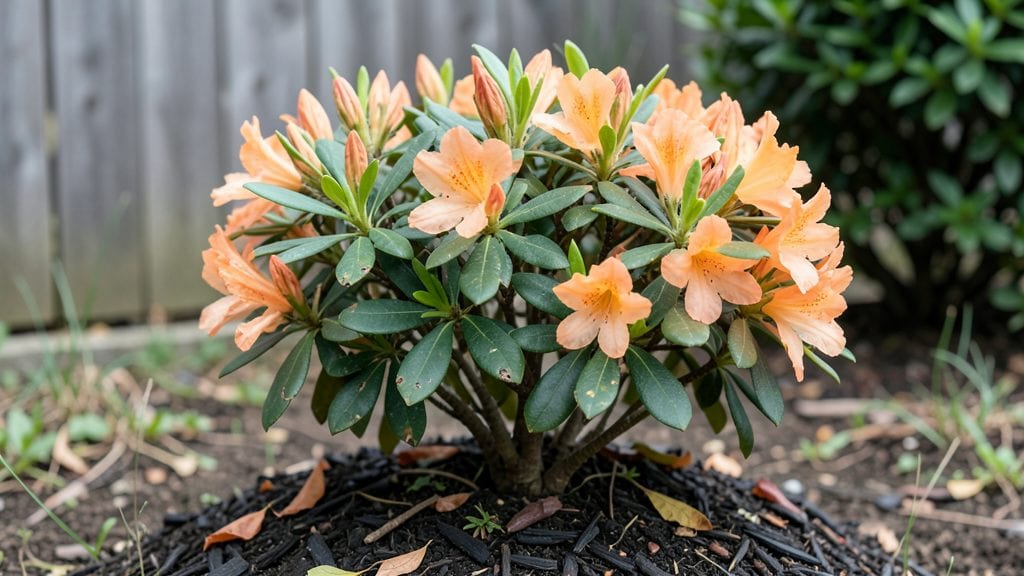
That orange azalea plant in my garden is a sunbeam in shadow—its fiery blooms and honeyed scent transform gloomy patches into vibrant displays. 🌿 Unlike sun-worshippers, it thrives where others falter. The key lies in mimicking their natural woodland habitat: rich, acidic soil that stays consistently moist but never soggy.
You’ll need well-draining soil mixed with peat moss or compost, a spot with dappled light (morning sun and afternoon shade works best), and patience—these beauties take 2-3 years to reach their full glory.
Prune right after flowering to encourage next year’s blooms, and feed with acid-loving fertilizer in early spring. The payoff? Clusters of fiery-orange flowers that perfume the air from late spring through summer.
Here’s the trick most gardeners miss: orange azaleas hate alkaline soil. Test your soil’s pH—aim for 5.0-6.0—and amend with sulfur if needed. Mulch with pine needles to maintain acidity and retain moisture.
With the right conditions, your orange azalea will reward you with years of effortless, show-stopping color—no full sun required.
They’re perfect for under trees, along north-facing walls, or even in containers on shaded patios. Just remember: these divas demand consistent moisture and hate drying out. Once established, they’re surprisingly low-maintenance, making them the ideal shade-loving superstar for any garden.
📚 In This Guide
- What you need
- Instructions
- Tips and common mistakes
- Wrapping up and next steps
What you need
- ● Orange azalea plants: 1–3 nursery-grown specimens (choose Rhododendron varieties like 'Girard’s' or 'Hino Crimson' for bold orange blooms).
- ● Well-draining acidic soil: 1–2 bags of peat moss or pine bark fines (5–10 cubic feet total).
- ● Organic mulch: 3–5 cubic feet of pine straw or pine bark chips (to retain moisture and acidity).
- ● Slow-release acid-loving fertilizer: 1–2 lbs of azalea/camellia fertilizer (16-6-8 NPK ratio).
- ● Garden tools: 1 trowel
- ● 1 garden fork (for aerating soil)
- ● 1 pruning shears (sterilized)
- ● Watering can or hose with a gentle spray nozzle.
- ● Soil pH test kit: To confirm acidity (ideal pH: 4.5–6.0).
- ● Epsom salt: 1–2 lbs (for magnesium boost if leaves yellow).
- ● Shade cloth: 30–50% density (if planting in partial sun).
- ● Decorative rocks or bark: For a polished garden bed look.
- ● Automatic drip irrigation system: For low-maintenance watering.
Step-by-Step guide to planting and caring for orange azaleas
Here’s how to cultivate these vibrant, shade-loving shrubs with minimal fuss—just follow these precise steps.
🪴 Step 1: Select the Perfect Planting Site
Orange azaleas thrive in partial shade, needing 4-6 hours of morning sun and protection from harsh afternoon rays. Avoid full sun, which scorches their delicate blooms, or deep shade, which stunts flowering. Test your spot by checking the soil—it should drain well but retain moisture, as azaleas despise soggy roots.
Dig a hole twice as wide as the root ball but only as deep as the container’s base. Loosen the sides of the hole with your hands or a trowel to encourage root spread. If your soil isn’t acidic (azaleas demand pH 4.5-6.0), amend it with 2-3 inches of peat moss or sulfur mixed into the bottom of the hole. This ensures your plant gets the right conditions from day one.
🌱 Step 2: Plant with Care to Avoid Root Stress
Gently remove the azalea from its container and tease apart any circling roots—this prevents girdling as the plant matures. Place it in the hole so the top of the root ball sits 1 inch above ground level. Backfill with native soil mixed with half peat moss to maintain acidity, tamping lightly as you go to eliminate air pockets.
Water deeply right after planting to settle the soil and eliminate gaps. You’ll know it’s right when moisture reaches 6 inches down—check with a trowel. Mulch with 2-3 inches of pine bark or pine needles to conserve moisture and mimic the acidic forest floor these azaleas evolved in. Keep mulch 6 inches away from the stem to prevent rot.
☀️ Step 3: Water and Feed for Peak Blooms
Azaleas need consistent moisture—water once a week if rainfall is scarce, aiming for 1-1.5 inches per week. Let the top 2 inches of soil dry between waterings to prevent root rot, but never let it bone-dry. You’ll see wilted leaves or drooping blooms if it’s thirsty; a quick soak restores them within hours.
Feed your azalea once in early spring with an acid-loving fertilizer (look for high phosphorus like 7-9-5). Skip summer feeding—too much nitrogen now delays fall blooms. In late summer, apply a slow-release granular fertilizer to support next year’s buds. Prune spent blooms immediately after flowering to encourage new growth, but avoid heavy pruning—azaleas flower on old wood, so cutting back now removes next year’s blossoms.
✂️ Step 4: Prune and Protect for Long-Term Health
Shape your azalea lightly in late winter or early spring before new growth starts. Remove dead, crossing, or weak branches at the base, cutting at a 45-degree angle just above a bud. Never prune more than one-third of the plant in a season—this stresses azaleas and reduces flowering. You’ll notice new shoots emerging within 2-3 weeks of pruning, signaling healthy regrowth.
Watch for lance-shaped leaves with brown edges—a sign of iron deficiency in alkaline soil. Treat with chelated iron applied to the soil in early spring. For pests, spray with neem oil if you spot lace bugs (their telltale white specks on leaves). Azaleas rarely need heavy intervention, but these small steps keep them thriving for decades.
Tips & tricks for perfect orange azalea planting
These pro tips will help your orange azaleas thrive for years with vibrant blooms and lush foliage.
Soil Acidification Secret: The pH 4.5-6.0 range is critical, but don't rely on guesswork. Test your soil with a simple home kit before planting—many garden soils are naturally alkaline. If you need to amend, mix 2-3 inches of peat moss or sulfur into the planting hole as instructed, but extend this to 3-4 inches if your soil tests above pH 7.0. For existing plants showing iron deficiency (yellow leaves with brown edges), apply chelated iron every 4-6 weeks during growing season to restore vibrancy.
Root Ball Placement: That 1-inch elevation above ground level in Step 2 isn't just arbitrary—it prevents water pooling around the stem which causes rot. After planting, use a level to verify the top of the root ball sits perfectly horizontal. For container-grown azaleas, gently squeeze the sides of the root ball to encourage roots to spread into the new soil before placing in the hole. This simple step can double your plant's root establishment rate.
Watering Technique: The 6-inch moisture depth check after planting is your baseline, but seasonal adjustments matter. In summer, water in the early morning to prevent evaporation, and in winter, reduce to every 10-14 days unless you have prolonged dry spells. Use a rain gauge or tuna can to measure your 1-1.5 inches per week—most hose-end sprinklers deliver 2-3 times more water than needed! For established plants, let the top 3-4 inches of soil dry between waterings to prevent root suffocation.
Pruning Timing: That late winter/early spring window for pruning is your best chance to shape without sacrificing next year's blooms. Mark your calendar for when forsythia bushes bloom in your area—that's your cue to prune azaleas. For heavy pruning needs, spread the work over 2-3 years, removing only one-third of the plant's growth each season. And here's a pro move: After pruning, apply a 2-inch layer of mulch around the base to protect new growth from late frosts.
Pro Tips for Orange Azalea Plant
- These pro tips will help your orange azaleas thrive for years with vibrant blooms and lush foliage.
- Soil Acidification Secret: The pH 4.5-6.0 range is critical, but don't rely on guesswork.
- Root Ball Placement: That 1-inch elevation above ground level in Step 2 isn't just arbitrary—it prevents water pooling around the stem which causes rot.
Frequently asked questions
Got questions about growing and caring for your orange azalea plant? You’re not alone! Here are some of the most common queries—plus quick, expert-backed answers to keep your shade garden thriving.
When is the best time to plant an orange azalea?
Plant your orange azalea in early spring or fall when temperatures are mild (50–70°F). Avoid extreme heat or frost—these plants hate stress! If you must plant in summer, do it on a cloudy day and water deeply afterward to reduce transplant shock.
How often should I water my orange azalea?
Water 1–2 times per week (more in summer heat or sandy soil). Aim for 1–1.5 inches of water per week, including rainfall. Pro tip: Mulch around the base (2–3 inches of organic mulch) to retain moisture and protect roots.
Why aren’t my orange azaleas blooming?
Blooms fade if the plant gets too much sun, poor drainage, or inconsistent watering. Also, azaleas need acidic soil (pH 4.5–6.0)—test yours! Over-fertilizing (especially with high-phosphorus feeds) can also stunt flowers. Try a balanced acid-loving plant fertilizer in early spring.
What pests or diseases should I watch for?
Common issues include:
- Spider mites: Tiny webs on leaves? Spray with water or use neem oil.
- Azalea lace bugs: Yellow speckles on leaves? Prune heavily infested branches and treat with insecticidal soap.
- Root rot: Yellowing leaves + mushy roots? Improve drainage and avoid overwatering.
Prevent pests by keeping the area around your azalea clean and well-aerated.
Can I grow orange azaleas in containers?
Use a large pot (15+ gallons) with acidic, well-draining potting mix. Choose a container with drainage holes and place it in partial shade. Repot every 2–3 years to refresh the soil—azaleas are heavy feeders!
What’s a good alternative if I can’t grow azaleas?
If your soil isn’t acidic enough or your climate is too harsh, try these shade-loving, fragrant alternatives:
- Camellias: Thrives in acidic soil, blooms winter–spring.
- Hydrangeas: Loves shade, offers big blooms (but adjust soil pH for color changes!).
- Pieris japonica: Evergreen with delicate white flowers.
All three tolerate similar care but with slightly more soil flexibility!
Wrapping up and next steps
Growing an orange azalea plant is a rewarding way to add vibrant color and intoxicating fragrance to your shade garden—even if you’re a beginner! 🌸 With the right soil, sunlight, and care, these stunning blooms will thrive and bring joy for years.
Whether you’re planting from seeds, cuttings, or a nursery starter, your patience will pay off in a burst of cheerful orange hues.
Ready to transform your garden? Start by choosing the perfect spot, gathering your supplies, and following the steps we’ve shared. Before you know it, your azaleas will be the star of your outdoor space—and you’ll be the proud gardener who made it happen!