
Fertilization
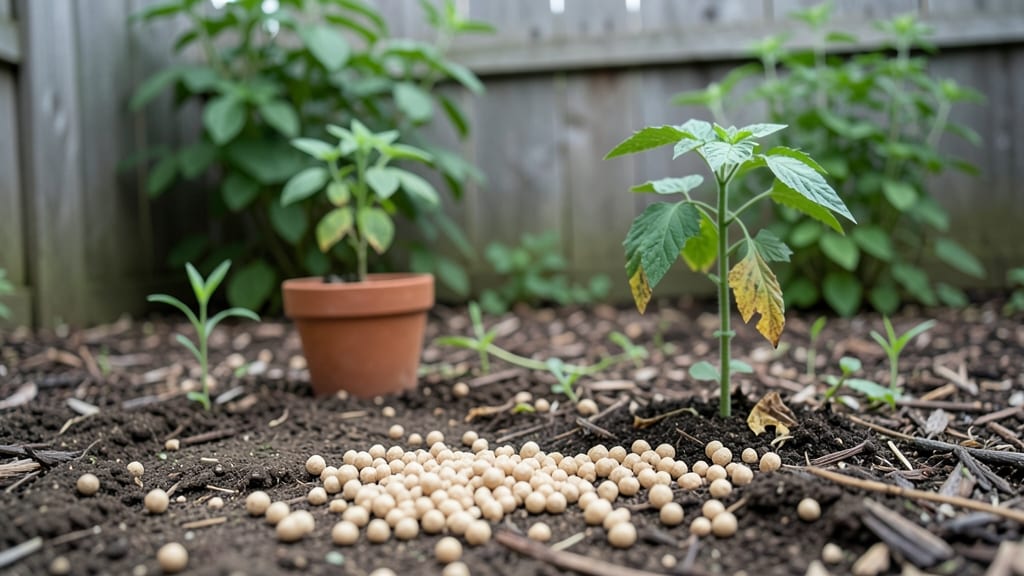
Choosing the right new plant fertilizer sets the stage for vibrant growth, and timing your feedings can transform weak seedlings into thriving giants in just weeks.
Struggling to get your new plants off to a strong start? The right timing for fertilizer application can make the difference between weak, stunted roots and a thriving, fast-growing plant.
Most gardeners wait too long, thinking their seedlings or transplants don’t need extra nutrients—only to watch them lag behind. In reality, a light feeding at the right moment (like right after transplanting) can double root development.
Below, I’ll break down the best fertilizers for your new plant, when to apply them for maximum impact, and how to avoid the costly mistake of over-fertilizing in those first critical weeks.
Best fertilizer types for new plant root development
When you bring home new seedlings or transplants, their roots are delicate and hungry for nutrients to establish quickly. Choosing the right fertilizer type can mean the difference between a plant that struggles or one that thrives from day one.
The key is understanding how organic vs. synthetic options work and which nutrient ratios (NPK) support root development without burning tender roots.
For new plants, I always recommend starting with a balanced fertilizer like a 10-10-10 or 5-5-5 formula. This ensures equal parts nitrogen (N for leaf growth), phosphorus (P for root development), and potassium (K for overall health).
However, the form—whether liquid, granular, or slow-release—matters just as much as the numbers.
Below, I’ve broken down the best fertilizer options for new plants, including their pros, cons, and ideal use cases. This will help you decide whether to reach for compost, fish emulsion, or a synthetic blend for your seedlings and transplants.
🌱
| Fertilizer Type | NPK Ratio | Form | Best For | Pros | Cons |
|---|---|---|---|---|---|
| Organic: Compost | Varies (0-0-0) | Solid | Seedlings, transplants | Improves soil structure, slow-release nutrients | May contain weeds/seeds, slow to break down |
| Organic: Fish Emulsion | 5-1-1 or 2-3-1 | Liquid | Fast root growth, seedlings | Quick absorption, high phosphorus | Strong odor, can burn if overused |
| Synthetic: 10-10-10 | 10-10-10 | Granular or liquid | Balanced growth, transplants | Precise nutrient control, long shelf life | Risk of salt buildup, less soil improvement |
| Organic: Bone Meal | 3-15-0 | Granular | Root development, bulbs | High phosphorus for roots, slow-release | Limited nitrogen, can attract pests |
| Slow-Release: Osmocote | 14-14-14 or 15-9-12 | Coated granules | Container plants, long-term feeding | Even nutrient release, less frequent application | Expensive, harder to adjust doses |
For seedlings, I swear by a diluted fish emulsion or seaweed extract mixed with water. These liquid fertilizers provide an immediate phosphorus boost to encourage root growth without overwhelming the plant.
Apply it at half-strength to avoid nutrient burn, especially if your seedlings are just starting to develop their first true leaves.
If you’re transplanting mature seedlings or young plants into the garden, a slow-release fertilizer like Osmocote is my go-to. The granules release nutrients over 3 to 6 months, which aligns perfectly with the root establishment phase.
For example, when I transplant tomato seedlings in early May, I mix Osmocote into the planting hole to support their root expansion all summer long.
One mistake I see often is overusing high-nitrogen fertilizers like blood meal or urea. While nitrogen fuels leafy growth, it can stunt root development if overapplied. Instead, opt for a low-nitrogen, high-phosphorus fertilizer (like 5-10-5) during the first 4 to 6 weeks after transplanting.
This prioritizes root growth over foliage, setting your plant up for long-term success.
For organic gardeners, compost tea or worm castings are excellent choices. They introduce beneficial microbes that break down nutrients into forms roots can absorb quickly. I like to blend worm castings into the soil before planting to give new roots a microbial boost from day one.
The microbes help break down organic matter, making nutrients like phosphorus more available.
If you’re growing in containers, liquid fertilizers like diluted fish emulsion or hydroponic solutions work wonders. Container plants have limited root space, so they rely on
When to apply fertilizer for maximum root growth
Timing is everything when it comes to fertilizing new plants. Applying fertilizer at the wrong time can burn delicate roots or slow growth instead of boosting it. The key is to feed your plants when they're actively developing roots but haven't established a strong system yet.
This means focusing on three critical windows: pre-planting, transplanting, and the first 4-6 weeks after planting.
New roots are most receptive to nutrients during their rapid growth phase. For most plants, this happens right after planting when they're establishing themselves in their new environment. However, skipping the pre-planting phase can leave your soil lacking essential nutrients that roots need to thrive immediately after transplanting.
Here's the critical sequence I follow for maximum root development:
-
1. Pre-Planting (2-4 Weeks Before)
Mix compost or balanced organic fertilizer (5-5-5 NPK) into soil. This jumpstarts root growth before planting. -
2. Transplanting Day
Use a root stimulator (like liquid seaweed extract) to reduce transplant shock and encourage root expansion immediately. -
3. 2-3 Weeks After Planting
Apply a low-nitrogen fertilizer (10-10-10 NPK) to support root mass without overstimulating foliage growth. -
4. 6 Weeks After Planting
Switch to a slow-release fertilizer to provide steady nutrients as roots continue developing.
For container-grown plants, I adjust the timing slightly. Since roots can't spread as freely, I apply a diluted fertilizer every 2-3 weeks during the first month, using only half the recommended dose. This prevents salt buildup in the potting mix, which can damage roots.
Always water thoroughly before and after applying fertilizer to help nutrients reach the roots and prevent fertilizer burn. I've seen many gardeners make the mistake of fertilizing dry soil, which concentrates salts around the roots and causes damage.
For new plants, less is always better—start with half the recommended dose and monitor their response.
Watch for signs of over-fertilization like yellowing leaves or crispy leaf edges. If you see these, flush the soil with water immediately to reduce salt concentration.
With the right timing, your new plants will develop strong root systems in just 4-6 weeks, setting them up for a lifetime of healthy growth. 🌱