Container Gardens
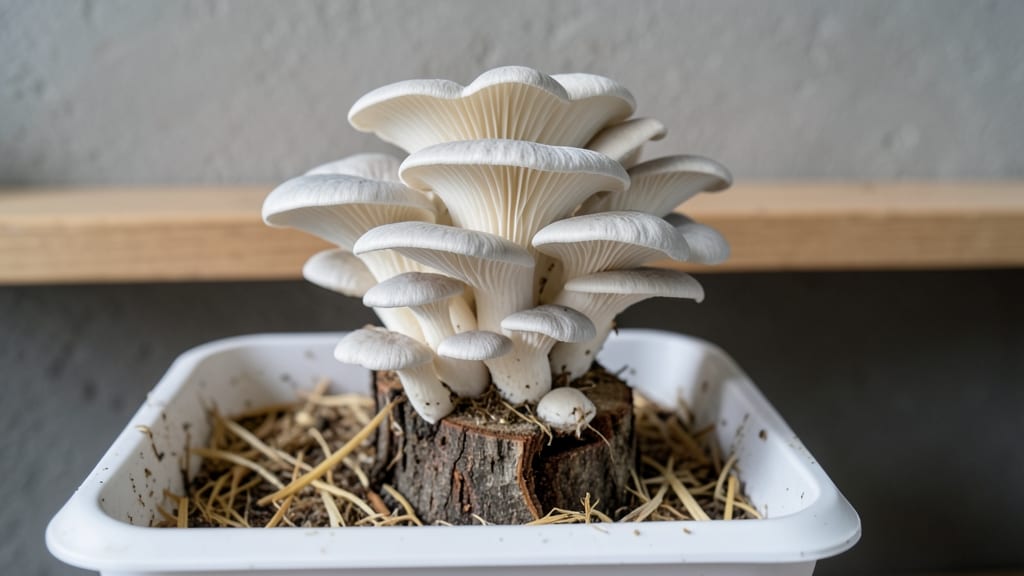
Growing mushrooms indoors as plants isn’t just possible—it’s one of the most rewarding low-light projects for small spaces. 🌿 I spent months experimenting with oyster and lion’s mane varieties, and the results changed how I think about indoor gardening.
These aren’t your grandma’s grocery-store mushrooms; they’re lush, textured, and surprisingly easy to cultivate with the right setup.
The beauty of indoor mushroom growing is that you don’t need a sun-drenched windowsill. Most varieties thrive in 40-60°F temperatures, 80-90% humidity, and just a few hours of indirect light daily.
All you need is a clean container, sterilized substrate (like sawdust or straw), and spores—no fancy greenhouse required. Even my first attempt produced harvestable mushrooms in just 2-3 weeks, and the process gets smoother with each batch.
What you’ll end up with is a thriving, textured green-and-white colony that looks like something out of a fantasy novel. The air fills with an earthy, slightly sweet aroma, and you’ll have fresh, crisp or meaty mushrooms to cook with—no store-bought substitutes needed.
Plus, the substrate breaks down into nutrient-rich compost for your other plants.
This method works for apartments, offices, or even a quiet corner of your kitchen. The key is keeping things clean and consistent—once you nail the basics, you’ll be growing mushrooms year-round. Let’s get your first colony started!
Why Your Indoor Mushroom Plant Struggles
Indoor mushroom plants—like Ganoderma, Shiitake, or Oyster varieties—are resilient, but they can still face issues like stunted growth, discoloration, or mold if their needs aren’t met.
Understanding the root causes helps you troubleshoot faster and keep your fungal friends thriving. Here’s why problems pop up and how to fix them.
Mushrooms are 90% water—they need consistent humidity to grow, but too much moisture creates a breeding ground for bacteria and mold. Here’s the science:
- Overwatering: Mushrooms thrive in high humidity (70–90%), but soggy substrates (like sawdust or straw) suffocate roots and invite Trichoderma (a harmful mold). Signs: Slimy caps, black spots, or a foul smell.
- Underwatering: Dried-out substrates halt growth because mycelium (the mushroom’s root network) can’t absorb nutrients. Signs: Brittle stems, slow or no fruiting, or powdery white mold (from stress).
✨ Pro Tip: Use a spray bottle for even misting and a hygrometer to monitor humidity. If your grow space feels dry, place a tray of water near your plant or use a pebble tray.
Most indoor mushroom varieties are low-light tolerant, but they still need indirect, diffused light (12–16 hours/day) to trigger fruiting. Too little or too much light throws off their natural cycles:
- Low Light: Mushrooms stretch toward light (a process called etiolation), leading to weak, leggy stems and small, pale caps. Fix: Move to a bright, north-facing window or supplement with a grow light (100–200 watts) 12 inches away.
- Direct Sunlight: Intense rays (especially south/west windows) cause sunburn—white or brown patches on caps. Fix: Use sheer curtains or relocate to filtered light.
💡 Did You Know? Some mushrooms (like Reishi) grow better in complete darkness until fruiting. Check your variety’s needs!
Mushrooms are sensitive to temperature extremes. Their ideal range is 60–75°F (15–24°C), but fluctuations stress their mycelium:
| Issue | Cause | Solution |
|---|---|---|
| Slow Growth | Below 55°F (13°C): Mycelium goes dormant to conserve energy. | Move to a warmer spot (avoid drafts from AC/heaters). |
| Mushrooms Don’t Fruit | Above 80°F (27°C): High temps halt sporulation (the process that forms mushrooms). | Use a fan on low for airflow or relocate to a cooler room. |
| Mold or Rotten Spots | Rapid temp changes (e.g., near a window) create condensation, promoting bacteria. | Keep humidity stable and avoid placing near heat sources. |
🔥 Hot Tip: If your home runs hot, try a cool basement or garage (with proper ventilation) for temperature-sensitive varieties like Shiitake.
Stagnant air leads to competing fungi and bacteria outcompeting your mushrooms. Without airflow:
- Mold (Green/Black Fuzz): Aspergillus or Penicillium thrive in still, humid air, smothering your mycelium.
- Stunted Growth: CO₂ buildup (from poor ventilation) slows metabolism, causing small or deformed mushrooms.
👨🍳 Fix It:
- Use a small USB fan on low speed near (not directly on) your plant.
- Swap out 50% of substrate every 2–3 months to refresh nutrients and airflow.
- Avoid sealed containers—opt for mesh bags or open trays.
Mushrooms eat what they’re grown in—the wrong substrate (their "soil") starves them or invites pests. Common mistakes:
- Improper Substrate Mix:
- Hardwood sawdust works for Shiitake, but Oyster mushrooms prefer straw or coffee grounds.
- Using yard waste or contaminated wood introduces pathogens.
- Lack of Calcium/Magnesium: Weak stems or blossom-end rot (dark spots on caps) signal deficiencies. Fix: Add crushed eggshells or dolomite to the substrate.
🎯 Quick Test: If your mushrooms taste bitter or grow too fast, your substrate may be too nitrogen-rich. Balance it with carbon sources like straw or cardboard.
Quick fixes for common growing woes
Revive your mushroom indoor plant with these targeted solutions—each paired with prevention tips to keep your tiny green friend thriving long-term. Whether it’s wilting, mold, or sluggish growth, we’ve got you covered with easy, actionable steps.
---
Cause: Overwatering, poor drainage, or root rot. Fix It: 1. 🔥 Check the Soil: Stick your finger 1–2 inches deep. If it’s soggy, your plant’s roots are drowning. 2. 🍳 Repot if Needed: Gently remove the plant, trim any mushy roots (use sterilized scissors 🔪), and transfer it to a pot with fresh, well-draining soil mix. Add perlite or orchid bark for aeration. 3. ⏰ Adjust Watering: Let the top inch of soil dry out between waterings. Use a pot with drainage holes to prevent waterlogging.
Prevention Tips: - 💡 Use a moisture meter to track soil dampness. - ✨ Choose a pot with drainage holes—no exceptions! - 🌡️ Water in the morning so excess moisture evaporates during the day.
---
Cause: Low light, nutrient deficiency, or root-bound conditions. Fix It: 1. 🔥 Optimize Light: Move your plant to a brighter spot (but avoid direct sun—these guys love indirect light). A grow light (12–14 hours/day) works wonders if natural light is scarce. 2. 🍳 Fertilize Lightly: Use a balanced liquid fertilizer (like 10-10-10) diluted to half-strength every 4–6 weeks during growing season (spring–fall). 3. 👨🍳 Repot if Root-Bound: If roots circle the pot or peek out of drainage holes, upgrade to a container just 1–2 inches larger. Refresh the soil to revive growth.
Prevention Tips: - 🎯 Rotate the pot weekly for even light exposure. - 💪 Feed sparingly—over-fertilizing burns roots! - 🌱 Prune yellow leaves to redirect energy to new growth.
---
Cause: High humidity, poor airflow, or fungal infections. Fix It: 1. 🔥 Isolate the Plant: Move it away from other greens to prevent spread. 2. 🍳 Wipe Leaves: Use a damp cloth (mix 1 part water + 1 part rubbing alcohol) to gently clean affected areas. 3. ⏰ Improve Airflow: Space plants 6+ inches apart or use a small fan on low (2–3 hours/day) to circulate air. 4. 🔪 Trim Severely Infected Parts: Cut off moldy spots with sterilized scissors and dispose of them.
Prevention Tips: - 💡 Mist leaves in the morning (not evening) to allow them to dry. - ✨ Avoid overcrowding—mushroom plants need breathing room! - 🌡️ Reduce humidity if your space feels like a jungle (aim for 40–60% humidity).
---
Cause: Weak plants, dirty surfaces, or outdoor contaminants. Fix It: 1. 🔥 Inspect Thoroughly: Check undersides of leaves and stems for tiny pests. 2. 🍳 Blast Off Pests: Spray leaves with soapy water (1 tsp mild soap per quart of water) or neem oil solution (1 tbsp neem oil + 1 tsp soap per quart of water). Repeat every 3–5 days. 3. 👨🍳 Introduce Beneficial Insects: Ladybugs or lacewings (available at garden centers) eat aphids naturally.
Prevention Tips: - 🎯 Quarantine new plants for 2 weeks before introducing them to your collection. - 💪 Wipe leaves regularly with a damp cloth to remove dust and pests. - 🌱 Avoid overwatering—damp leaves attract bugs like a buffet!
--- Pro Tip: 🌟 When in doubt, observe! Mushroom indoor plants are forgiving—often, they’ll bounce back faster than you think with just a little TLC. Keep a plant journal to track watering, light, and growth patterns for future reference.
Frequently asked questions
What’s the easiest mushroom species to grow indoors for beginners?
Oyster mushrooms (Pleurotus ostreatus) are the best starter choice—they grow fast (1-2 weeks to harvest), thrive in 55-75°F temps, and tolerate 80-90% humidity. Use pasteurized straw or coffee grounds as substrate, and they’ll fruit in mesh bags or trays without needing fancy equipment. Bonus: Their colorful clusters look stunning as decor!
Do I need special equipment to grow mushrooms at home?
Not at all! Start with basics: a spray bottle (for humidity), plastic tub or mesh bag (for containment), and a thermometer/hygrometer ($10 at hardware stores). For spores, buy a spore syringe ($15-$25) or use a sterilized sawdust block from a supplier. No need for UV lights or pressure cookers unless scaling up.
How often should I harvest mushrooms, and how do I do it?
Harvest when caps are fully formed but still firm—twist gently or cut at the base with sterilized scissors. For oyster mushrooms, you can get 2-3 flushes (harvests) from one substrate before it’s exhausted. After harvesting, cover the substrate with a damp towel and wait 5-7 days for new growth. Never pull stems—this damages the mycelium network.
Why did my mushrooms turn yellow or slimy before harvesting?
Yellowing or sliminess usually means overmaturity or bacterial contamination. Overmature mushrooms lose flavor and texture, while sliminess signals Trichoderma mold (common in high humidity). Fix it by harvesting immediately (if edible) or discarding contaminated batches. To prevent this, maintain 70-80% humidity, avoid overcrowding, and use sterilized tools.
Can I grow mushrooms indoors year-round, or do they need seasonal changes?
Yes! Mushrooms grow year-round indoors as long as you control temperature (60-75°F) and humidity (80-90%). Unlike outdoor crops, they don’t need dormancy. For continuous harvests, maintain consistent conditions and refresh substrate every 2-3 months. Some varieties (like shiitake) may need a cold shock (40°F for 24 hours) to trigger fruiting, but most oyster mushrooms adapt easily.