
Plants
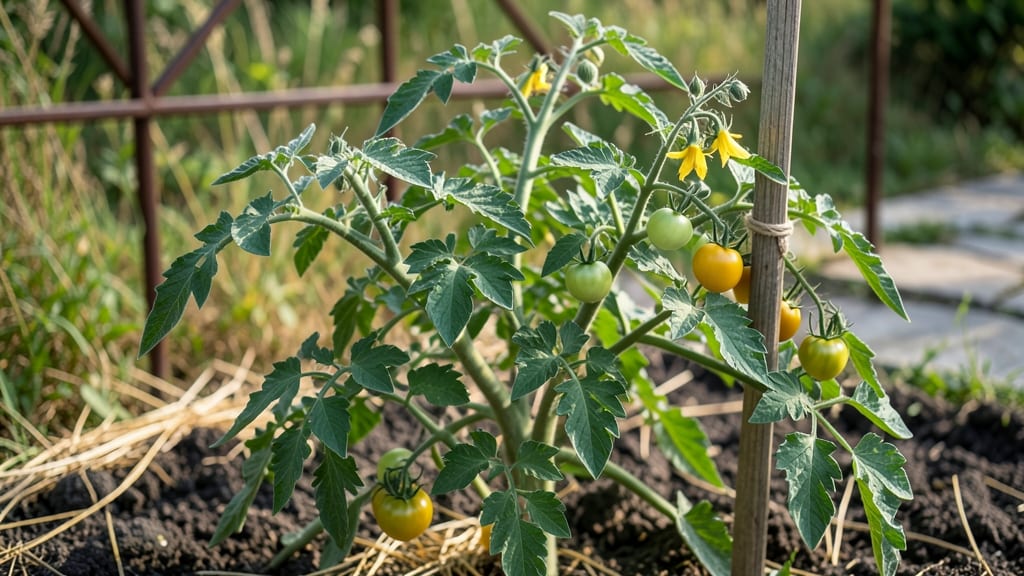
My lime tomato plants were turning into sad, yellow-leafed shadows until I figured out the real issue—soil pH was the silent villain. 🌱 The moment I adjusted it, those leaves perked up like they’d been hit with a caffeine shot.
This isn’t just about adding lime willy-nilly; it’s about fixing what’s actually wrong—whether your plants need a pH boost or a fungal infection needs stopping.
The first clue? Yellowing leaves paired with stunted growth or blossom-end rot. Lime helps when soil’s too acidic, unlocking nutrients tomatoes crave, but if it’s a fungal problem (sometimes called "lime disease"), you’ll need a different approach.
I’ll walk you through both fixes—no guesswork, just results. Most gardeners solve this in 3 days with the right steps.
By the end, your plants will be back to their vibrant selves, producing fruit instead of just leaves. We’re talking thicker stems, darker green foliage, and no more mystery wilting.
The key? Testing your soil first, then acting fast. Let’s turn those sad plants around before they give up on you.
This works for both garden beds and containers, and I’ll cover organic fixes so you don’t have to reach for harsh chemicals. Ready to save your tomatoes?
Why it happens
When your lime tomato plants start showing yellowing leaves, it’s often a cry for help from the roots—or even the soil itself. Understanding the why behind this common issue is the first step to bringing your plants back to vibrant health.
Below, we break down the most frequent culprits, backed by science, so you can diagnose and act fast.
🌱 Overwatering or Poor Drainage
Tomatoes thrive on consistency, but too much of a good thing can drown their roots. Yellowing leaves—especially those closest to the soil—are often a sign of root rot, a fungal infection triggered by soggy conditions. Here’s how it happens:
- Waterlogged soil: Tomatoes need well-draining soil, but heavy clay or compacted dirt traps excess moisture. Roots suffocate, starving for oxygen, and fungi like Phytophthora move in.
- Overzealous watering: Pouring water daily (or letting pots sit in saucers of standing water) creates anaerobic zones where roots can’t breathe.
- Potted plants: Containers without drainage holes act like sponges, holding water against the roots for days.
Actionable fix: Let the top 1–2 inches of soil dry out between waterings. Amend heavy soil with perlite or compost, and ensure pots have drainage holes. If root rot is suspected, repot in fresh, sterile soil and trim any mushy roots.
🌡️ Nutrient Deficiencies or Imbalances
Yellowing leaves can also signal a hunger for essential nutrients, particularly when the discoloration starts between leaf veins (a classic sign of deficiency). Tomatoes are heavy feeders, and soil can deplete quickly. The most common offenders:
| Nutrient | Symptoms | Why It Happens |
|---|---|---|
| Nitrogen (N) | Pale yellow leaves, stunted growth | Nitrogen fuels leaf production. Overwatering or leaching washes it away, or soil may naturally be low in organic matter. |
| Magnesium (Mg) | Yellowing between veins (interveinal chlorosis), crispy edges | Magnesium is mobile in plants, so deficiency shows in older leaves first. Acidic soil or over-fertilization with synthetic nitrogen can lock it out. |
| Iron (Fe) | Young leaves turn yellow while veins stay green | Iron is abundant in soil but often unavailable in alkaline conditions (pH > 7.0). Tomatoes can’t absorb it, even if it’s present. |
Actionable fix:
- Test your soil’s pH (aim for 6.0–6.8 for tomatoes). Adjust with sulfur (to lower pH) or lime (to raise it).
- Feed with a balanced fertilizer (like 10-10-10) or compost tea every 2–3 weeks.
- For magnesium, use Epsom salt (1 tbsp per gallon of water) as a foliar spray or soil drench.
- Use chelated iron supplements if soil pH is high.
🐛 Pests or Pathogens Attacking Roots
Not all yellowing is due to water or nutrients—sometimes, tiny invaders are silently sabotaging your plants. Root-feeding pests and soil-borne diseases can cripple tomatoes before you notice above-ground symptoms.
- Root-knot nematodes: Microscopic worms that create galls (lumpy growths) on roots, disrupting water and nutrient uptake. Infected plants wilt or yellow, even when soil is moist.
- Fungal infections: Verticillium or Fusarium wilt clog root vessels, preventing water transport. Yellowing spreads upward as the disease progresses.
- Grubs or cutworms: Larvae from beetles or moths chew roots at night, leaving plants weak and unable to support foliage.
Actionable fix:
- Inspect roots when repotting or after uprooting. Look for galls, blackened tissue, or tunnels.
- Use neem oil or beneficial nematodes (like Steinernema carpocapsae) to combat pests.
- Rotate crops yearly to avoid fungal buildup. Solarize soil in spring (cover with clear plastic for 4–6 weeks) to kill pathogens.
- Encourage natural predators like ladybugs or ground beetles to control grubs.
⚡ Environmental Stressors
Tomatoes are resilient, but extreme conditions can push them over the edge. Yellowing leaves may be a red flag (or should we say, yellow flag?) for these common stressors:
- Temperature swings: Lime tomatoes prefer 70–85°F days and 55–65°F nights. Heat stress (above 90°F) causes leaf scorch, while cold snaps (<50°F) slow nutrient uptake.
- Wind or physical damage: Strong gusts or harsh pruning can rupture leaf cells, leading to rapid yellowing as the plant diverts energy to repair.
- Light deficiencies: Leggy, pale yellow growth signals etiolation, where plants stretch toward light but can’t photosynthesize efficiently.
Actionable fix:
- Provide shade cloth (30–50%) during heatwaves or use row covers for wind protection.
- Move potted plants to a sheltered spot or use windbreaks (like bamboo stakes).
- Ensure 6–8 hours of direct sunlight daily. Supplement with grow lights if indoors.
- Avoid pruning during heat stress; wait until temperatures stabilize.
Quick fixes for lime tomato leaves
Revitalizing your lime tomato plants starts with identifying the root cause of those unsightly yellow leaves—and acting fast. Below are practical, step-by-step solutions tailored to common issues, plus prevention tips to keep your plants thriving.
Whether it’s nutrient deficiencies, pests, or environmental stress, these fixes are designed to work within 3 days or less with minimal fuss.
Symptoms: Yellowing leaves, soggy soil, wilting despite watering, or roots smelling foul.
How to Fix It:
- 🚰 Stop Watering Immediately
- Let the soil dry out completely before watering again. Stick your finger 1-2 inches deep—if it’s damp, wait.
- 🪴 Improve Drainage
- If your pots lack drainage holes, drill them or repot into containers with holes.
- Mix perlite or coarse sand (10-20%) into your potting soil to aerate it.
- 🌱 Repot if Necessary
- If roots are rotting, trim away mushy sections with sterilized scissors and repot in fresh, well-draining soil.
Prevention Tips: ✅ Water only when the top inch of soil is dry—tomatoes hate soggy feet! ✅ Use self-watering pots with caution—they can over-saturate. ✅ Mulch with straw or wood chips to regulate moisture without suffocating roots.
Symptoms: Pale yellow leaves (especially lower ones), stunted growth, or slow fruit development.
How to Fix It:
- 💡 Diagnose the Deficiency
- Nitrogen (N) deficiency? Leaves turn pale green/yellow. Use a balanced fertilizer (10-10-10) or compost tea.
- Magnesium (Mg) deficiency? Yellow patches between leaf veins. Sprinkle Epsom salt (1 tbsp per gallon of water) every 2 weeks.
- Potassium (K) deficiency? Yellow edges on older leaves. Use a banana peel tea (soak peels in water for 2 days) or a potassium-rich fertilizer.
- 👨🍳 Apply Fertilizer Correctly
- For potted plants: Mix liquid fertilizer into water and apply every 2 weeks during growing season.
- For garden beds: Work in slow-release granules or compost around the base (avoid touching stems).
Prevention Tips: 💡 Test your soil (pH 6.0–6.8 is ideal for tomatoes) with a DIY kit or lab test. 💡 Rotate crops to avoid depleting nutrients—don’t plant tomatoes in the same spot yearly. 💡 Use worm castings for a gentle, nutrient-packed boost.
Symptoms: Yellowing leaves with tiny holes, sticky residue (aphids), or chewed edges (caterpillars).
How to Fix It:
- 🔪 Identify the Culprit
- Aphids/Spider Mites? Spray with neem oil (1 tsp per quart of water + dish soap) every 3 days.
- Whiteflies? Trap them with yellow sticky cards or blast off leaves with water.
- Tomato Hornworms? Handpick them (they’re huge and easy to spot!) or introduce parasitic wasps (nature’s pest control).
- 🌿 Strengthen Plant Immunity
- Garlic spray: Blend 2 cloves of garlic + 1 tsp cayenne + 1 quart water. Strain and spray leaves.
- Companion plants: Interplant with basil, marigolds, or nasturtiums to repel pests.
Prevention Tips: ✨ Inspect leaves daily—catch pests early! ✨ Remove fallen leaves/debris where pests hide. ✨ Encourage beneficial insects like ladybugs with dill or fennel nearby.
Symptoms: Yellowing leaves with crispy edges (too much sun), or drooping in heatwaves.
How to Fix It:
- 🌡️ Manage Temperature & Sun
- Too hot? Provide shade cloth (30-50%) during peak sun (10 AM–2 PM).
- Too cold? Move pots to a sheltered spot or cover with frost cloth if temps drop below 50°F.
- 💧 Hydrate Smartly
- Water deeply in the morning (not at night) to reduce evaporation.
- Mist leaves lightly on hot days to raise humidity (but avoid soggy soil).
Prevention Tips: 🎯 Choose the right spot: Lime tomatoes need 6+ hours of sun but appreciate afternoon shade in scorching climates. 🎯 Use black plastic mulch to warm soil in cool weather (speeds up growth!).
Pro Tip: 💡 Revitalize fast by giving your plants a foliar spray of seaweed extract (rich in vitamins) or fish emulsion (quick nitrogen boost). Spray leaves in the early morning for best absorption!
Frequently asked questions about lime tomato plants
Why are my lime tomato leaves turning yellow?
Yellowing leaves usually signal one of three issues: overwatering (root rot), nutrient deficiencies (like nitrogen or magnesium), or pH imbalance. Check soil moisture first—if soggy, cut back on water. For nutrients, try Epsom salt (for magnesium) or a balanced fertilizer. Test soil pH (ideal: 6.0-6.8) and adjust with lime if too acidic.
How do I know if my lime tomatoes need lime?
Test your soil first! If pH is below 6.0, your plants need lime to raise alkalinity. Signs of deficiency include yellowing leaves with green veins (iron chlorosis) or stunted growth. Apply pelletized lime (1 lb per 100 sq ft) and water thoroughly. Wait 2-3 months before retesting.
Can I use regular lime on my tomato plants?
Never use food-grade lime! Garden lime (calcium carbonate) is safe and specifically formulated for soil pH adjustment. Food lime can contain contaminants. Always use pelletized or powdered horticultural lime and follow package instructions for application rates. Spread evenly and water in well.
What's the fastest way to fix yellow leaves?
For immediate results:
- Prune severely yellowed leaves to redirect energy.
- Flush soil with water to remove excess salts.
- Apply a foliar spray of diluted fish emulsion (1 tbsp/gal water) for quick nitrogen. Combine with proper watering (let top 1-2 inches dry between waterings) for fastest recovery.
Are lime tomatoes different from regular tomatoes?
Lime tomatoes are a variety, not a species—just like cherry or beefsteak tomatoes. They produce bright yellow-green fruit with a tangy-sweet flavor. Grow them the same way as other tomatoes: full sun, well-draining soil, and consistent moisture. Their color comes from higher carotenoid content, making them rich in vitamin A.