Plants
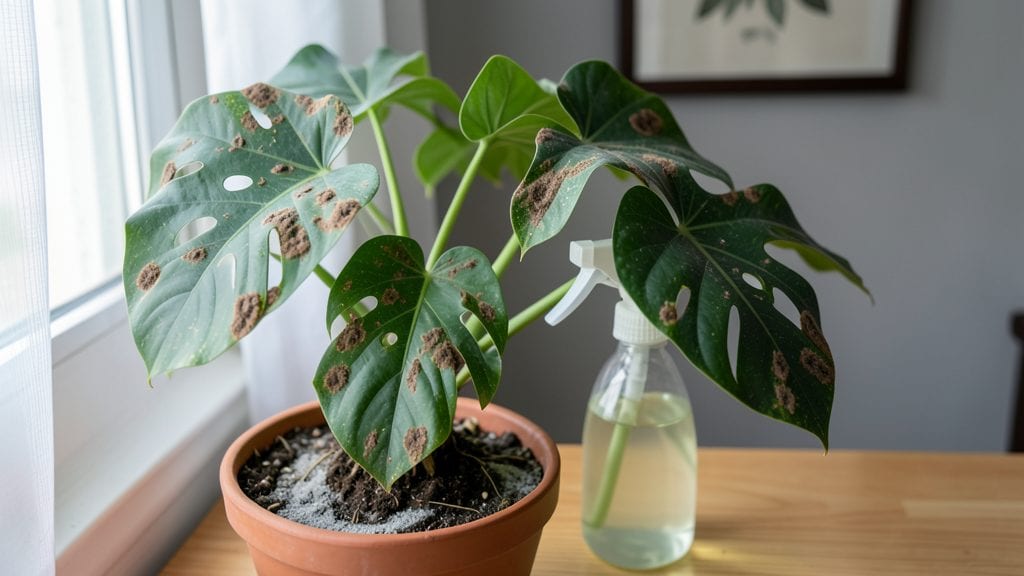
House plant fungus isn’t just unsightly—it can silently kill your green friends if you don’t catch it early. I’ve lost more than a few plants to fuzzy black spots and wilting stems, but I’ve also learned how to spot the warning signs before they spread.
The key is acting fast, because once fungus takes hold, even the hardiest plants like spider plants or ferns can turn into a sad, moldy mess.
Overwatering is the #1 culprit, but poor airflow and high humidity (like in a steamy bathroom) create the perfect fungus party. You’ll see powdery white patches, brown spots, or stems that feel mushy to the touch—these are your plant’s SOS signals.
The good news? Most fungal issues can be reversed with the right pruning, better drainage, and a little preventive care. I’ll show you exactly how to save your plants without losing them to the fungus graveyard.
Start by snipping off infected leaves with clean scissors and repotting in fresh soil if the roots look suspect. Adjust your watering schedule—let the top inch dry out between drinks—and give your plants a chance to breathe.
For stubborn cases, a simple fungicide spray (like neem oil) works wonders. Within days, you’ll see new growth pushing through, and your plants will look healthier than ever.
This works for everything from ferns to succulents, and the best part? Prevention is easier than you think. A few simple tweaks to your care routine can keep fungus at bay for good. Let’s get your plants back to thriving!
Root Causes Of Plant Fungus
Fungal infections in houseplants aren’t random—they thrive when specific conditions align. Understanding these triggers helps you prevent outbreaks before they start. Below, we break down the key causes of fungal growth in your green friends, from environmental factors to plant health.
Fungi love moisture—think of them as aquatic invaders. When humidity levels exceed 70%, or when soil stays soggy for days, spores germinate and spread.
Common culprits include: - Poor drainage (pots without drainage holes trap excess water). - Overwatering (letting plants sit in wet soil for more than 24 hours). - High humidity (common in bathrooms, kitchens, or closed greenhouses).
Why it happens: Fungal spores need free water to activate. When leaves or soil stay damp, they create the perfect breeding ground. For example, Phytophthora (a water mold) thrives in waterlogged roots, while Botrytis (gray mold) spreads via moisture on leaf surfaces.
Actionable fix:
- Use a hygrometer to monitor humidity (ideal range: 40-60%).
- Water only when the top 1-2 inches of soil are dry.
- Elevate pots on pebbles or saucers to improve airflow.
Stagnant air traps moisture and spores, giving fungi a foothold. Dense foliage (like ferns or ivies) or cramped pots create microclimates where fungi flourish.
Why it happens:
- Still air slows evaporation, keeping surfaces damp longer.
- Overcrowded plants block airflow, increasing humidity near leaves.
- Closed terrariums (without ventilation) accelerate fungal growth.
Actionable fix:
- Space plants 2-3 inches apart for airflow.
- Use a small fan (on low) near plants to improve circulation.
- Prune overlapping leaves to reduce humidity pockets.
Stressed plants can’t fight off fungi as effectively. Common stressors include:
- Nutrient deficiencies (lack of nitrogen, phosphorus, or potassium).
- Pests (aphids, spider mites) that damage leaves, creating entry points.
- Sudden temperature swings (e.g., drafts near AC/heaters).
Why it happens: Fungi like Fusarium or Rhizoctonia exploit wounds (from pests or physical damage) to infect plants. A weak immune system (from poor care) makes them vulnerable.
Actionable fix:
- Fertilize regularly (balanced NPK 10-10-10 or organic compost).
- Inspect for pests weekly—quarantine infected plants immediately.
- Avoid drafts—keep plants away from vents or doors.
Fungal spores lurk in old potting mix, gardening tools, or even water sources. If you reuse containers or tools without sterilizing them, you’re basically seeding an infection.
Why it happens:
- Reused soil may harbor dormant spores (e.g., Pythium).
- Dirty pruners/scoops transfer fungi between plants.
- Tap water (if chlorinated but not filtered) can introduce contaminants.
Actionable fix:
- Sterilize tools with 70% isopropyl alcohol or bleach water (1:10 ratio).
- Use fresh potting mix (or bake old mix at 200°F for 30 mins to kill spores).
- Let tap water sit 24 hours before using to reduce chlorine.
Fungi thrive in moderate temps (60-80°F) but struggle in extremes—unless your plant is already stressed. Sudden changes (like moving a plant from indoors to outdoors) can shock it, making it susceptible.
Why it happens:
- Cold drafts (e.g., near windows in winter) weaken roots.
- Heat stress (e.g., near radiators) dries leaves, creating cracks for spores.
- Frost damage (if plants are near uninsulated windows).
Actionable fix:
- Acclimate plants gradually if moving them outside.
- Avoid placing plants near heating/cooling sources.
- Use grow lights in winter to supplement weak sunlight.
The biggest mistake? Waiting until fungi are visible (like powdery mildew or black spots). By then, spores have already spread.
Why it happens:
- Mistaking fungal signs for pests or nutrient issues.
- Skipping regular inspections (fungi start as tiny, unnoticed spots).
- Not isolating infected plants—cross-contamination spreads fast.
Actionable fix:
- Check undersides of leaves weekly for fuzzy growth or discoloration.
- Remove infected leaves immediately (don’t compost them—bag and discard).
- Quarantine new plants for 2 weeks to monitor for outbreaks.
Fixing Fungal Issues Fast
Fungal infections in houseplants can feel like a silent takeover—one day your leaves look lush, the next they’re spotted, wilting, or covered in fuzzy growth. The good news?
Most fungal problems are reversible with the right steps. Below, we’ll map common causes to practical fixes, plus prevention tips to keep your plants thriving long-term.
Cause: Too much moisture in the soil suffocates roots, inviting fungi like Phytophthora or Pythium. Fix:
- 🔥 Emergency Drainage
- Remove the plant from its pot and rinse the roots under lukewarm water to dislodge soil.
- Trim mushy, black roots with sterilized scissors (dip in 70% isopropyl alcohol).
- Let roots air-dry for 1–2 hours before repotting.
- 🌱 Repot with Fungicide Soil
- Use a sterilized pot (wash with bleach solution or bake at 200°F for 30 mins).
- Mix cactus/succulent soil (well-draining) with perlite or orchid bark (30% of the mix).
- Add 1 tbsp of cinnamon or copper fungicide per gallon of soil for extra protection.
- 💧 Adjust Watering Habits
- Wait until the top 1–2 inches of soil are dry before watering.
- Use pots with drainage holes and saucers (empty excess water after 15 mins).
💡 Pro Tip: If repotting isn’t an option, top-dress with dry sphagnum moss to absorb excess moisture.
Cause: High humidity + poor air circulation + wet foliage (from overhead watering or rain). Fix:
- 🍳 Isolate & Prune
- Snip off spotted leaves (sterilize scissors between cuts).
- Place the plant in quarantine (away from other houseplants).
- 👨🍳 Fungal Spray Treatment
- Mix 1 tsp baking soda + 1 quart water + a drop of dish soap (as a surfactant).
- Spray both sides of leaves every 5–7 days until spots disappear.
- Alternative: Use neem oil spray (1 tsp neem oil + 1 tsp mild soap per quart of water).
- 🌡️ Improve Airflow & Light
- Move the plant to a bright, indirect-light spot (avoid dark corners).
- Use a small fan on low (2–3 hours/day) to reduce humidity around leaves.
✨ Prevention: Water at the base (not overhead) and avoid leaving plants in damp trays.
Cause: Low humidity + poor ventilation + dusty leaves (favors Erysiphe fungi). Fix:
- 🔪 Scrub & Clean
- Dip a soft toothbrush in soapy water (mild dish soap) and gently brush off powdery residue.
- Wipe leaves with a damp microfiber cloth to remove dust.
- 🥘 DIY Fungicide Spray
- Milk spray: Mix 1 part milk to 9 parts water, spray leaves, and reapply every 3–4 days.
- Hydrogen peroxide: Use 1 tbsp 3% H₂O₂ per quart of water (test on a small leaf first).
- For severe cases: Apply commercial fungicide (like Fungicide 3336).
- 🌿 Boost Plant Health
- Increase air circulation (open windows or use a fan).
- Reduce fertilizer use (excess nitrogen weakens plants).
🎯 Prevention: Mist leaves lightly in the morning (not at night) to allow drying.
Cause: Contaminated soil, wounds from pruning, or high humidity trapping moisture. Fix:
- 🔪 Remove Infected Areas
- Cut off rotting stems/buds below the rot with sterilized tools.
- If the entire stem is infected, prune back to healthy growth.
- 🌱 Sterilize & Repot
- Dip pruned cuts in cinnamon powder (natural antifungal).
- Repot in fresh, sterile soil (or a mix of peat moss + perlite).
- 💧 Control Moisture
- Bottom-water (place pot in a tray of water for 10 mins, then drain).
- Avoid overcrowding plants (space them 6+ inches apart).
💡 Pro Tip: If repotting isn’t possible, sprinkle diatomaceous earth on soil surface to deter fungi.
No matter the fungus, stop it before it starts with these habits:
- 📊 Rotate plants weekly for even light exposure.
- 🌡️ Monitor humidity (aim for 40–60%; use a hygrometer).
- 🍎 Sterilize tools after pruning (alcohol wipes work).
- 🥗 Quarantine new plants for 2 weeks before introducing them to your collection.
- 🍎 Use well-draining pots (terracotta > plastic for airflow).
Final Thought: Fungal issues are manageable—the key is acting fast and adjusting care routines. Once you spot the early signs (yellowing, spots, or fuzzy growth), isolate, prune, and treat before it spreads. Your plants will bounce back stronger! 🌿✨
Frequently asked questions
What are the first signs my houseplant has fungus?
Watch for fuzzy white or gray patches (like powdery mildew), dark brown spots with yellow halos, or mushy stems. Check leaf undersides and soil surface—these are fungus hotspots. Act fast: isolate the plant and trim affected areas immediately to prevent spread.
Can I save a plant with root fungus?
Yes, but act quickly! Rinse roots with water, trim black/mushy roots with sterilized scissors, then repot in fresh, well-draining soil mixed with perlite. Water only when the top 2 inches of soil are dry. For stubborn cases, add cinnamon or copper fungicide to the soil.
Is neem oil safe for all houseplants?
Neem oil is generally safe but test it first on a small leaf. Dilute 1 tsp neem oil + 1 tsp mild soap per quart of water and spray leaves. Avoid using on succulents or cacti—opt for cinnamon powder instead. Always apply in the morning for best results.
How often should I sterilize my gardening tools?
Sterilize tools after every use to prevent cross-contamination. Wipe with 70% isopropyl alcohol or soak in a 1:10 bleach-water solution for 5 minutes. Rinse and dry thoroughly before storing. This simple step stops fungal spores from spreading between plants.
Why does fungus keep coming back even after treatment?
Persistent fungus usually means underlying issues: overwatering, poor drainage, or high humidity. Check your care routine—adjust watering, improve airflow with a fan, and repot in well-draining soil. Quarantine new plants for 2 weeks to avoid reintroducing spores.