
Blooming
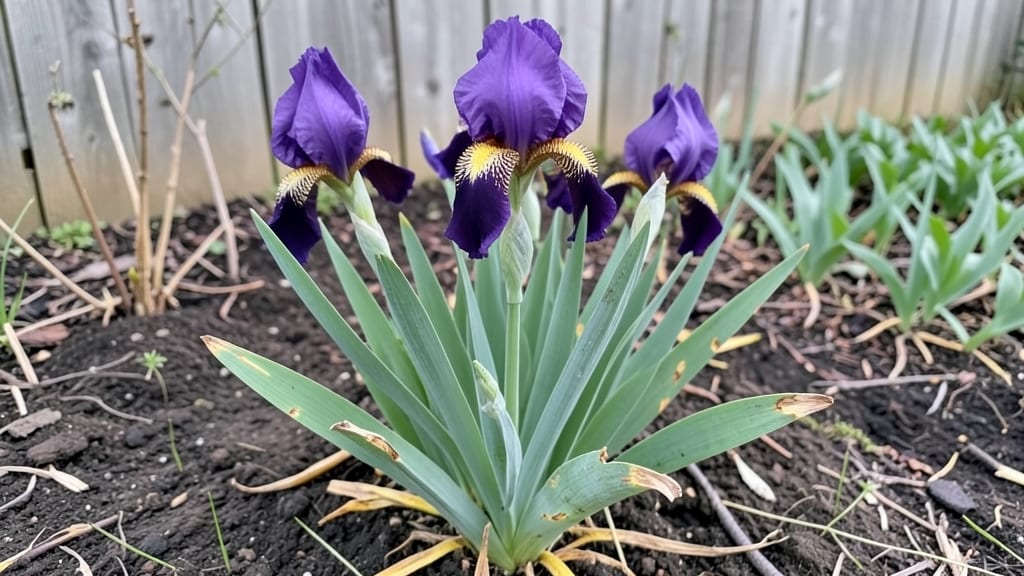
Your iris blooms appear at the perfect iris plant bloom time—typically late spring—when you’ve given them just the right balance of sun, soil, and patience.
If you’ve ever waited impatiently for those 🌸 spikes to rise—or worse, watched them fade in just a few days—you’re not alone. The secret to extending their show lies in understanding what triggers their bloom cycle and how to keep them happy year-round.
In USDA Zone 6a, where most gardeners grow irises, the ideal planting window is March to April, setting the stage for blooms in May or June. But climate, variety, and even your care routine can shift that timeline dramatically.
Below, I’ll break down exactly when your irises should bloom, what factors can delay or speed up their show, and the simple tricks to make those 🌸 last longer—so you can enjoy them from early spring well into summer.
Natural iris bloom time: seasonal patterns and climate influences
Understanding the iris plant bloom time is key to planning your garden’s seasonal color palette. Most iris varieties bloom in early to mid-spring, typically between March and May, but some varieties—especially reblooming irises—can produce a second flush in late summer or early fall.
The timing depends heavily on your USDA hardiness zone, sunlight exposure, and local climate patterns.
In cooler climates like USDA zones 3-5, irises often bloom 2-4 weeks earlier than in warmer zones (6-9). For example, in zone 4, you might see blooms as early as late April, while in zone 8, they may not appear until May or June.
This shift is due to the chilling requirements many iris varieties need to trigger flowering.
Sunlight plays a critical role—irises need at least 6 hours of direct sun daily for optimal blooming. In partial shade, blooms may appear smaller or delayed.
Meanwhile, temperature swings can also influence timing: a sudden cold snap after buds form can delay blooming, while a warm winter may advance it.
Rainfall affects iris bloom time indirectly. Excess moisture can cause rhizomes to rot, while drought stress may reduce bloom quantity. Aim for moderate, consistent watering—about 1 inch per week—during the growing season to support healthy flower production.
Now, let’s break down the key factors affecting bloom time in a clear, visual format:
Identifying early vs. late bloomers starts with observing your iris varieties. Bearded irises (like Iris germanica) typically bloom in spring only, while reblooming types (such as Iris xiphium or Iris histrioides) may produce fall blooms if given the right conditions.
To encourage late blooms, ensure your plants receive consistent moisture and balanced fertilizer (high in phosphorus) in early summer.
If your irises bloom too early, they may suffer from late frost damage. To mitigate this, plant in sheltered locations or use row covers during unpredictable spring weather.
Conversely, late bloomers often thrive in warmer climates but may struggle in harsh winters—choose cold-hardy varieties like Iris ensata for zones 4-9.
Pro tip: Keep a garden journal to track bloom times across seasons. Note the first and last bloom dates, sunlight hours, and rainfall patterns. Over time, you’ll spot trends—like how drier springs delay blooms or how extra sunlight extends their duration.
This data helps you adjust care routines for future seasons.
For example, in my zone 6 garden, my Iris germanica ‘Winnetka’ blooms in mid-April, while my Iris sibirica ‘Butter and Sugar’ reblooms in early September. The key? Phosphorus-rich fertilizer in early summer and regular deadheading to redirect energy to rhizome storage.
🌸
5 Proven techniques to extend iris bloom duration
Iris blooms are a garden highlight, but their short-lived glory can leave you craving more. The good news? With the right iris care techniques, you can extend their bloom duration by weeks or even months.
The secret lies in understanding how soil nutrition, watering habits, and light exposure interact to support longer-lasting flowers. Let’s dive into science-backed methods that will keep your irises in peak bloom longer than ever.
Many gardeners assume irises are low-maintenance once planted, but their bloom longevity depends heavily on post-planting care. For example, a simple adjustment in fertilizer ratios—like increasing phosphorus and potassium—can signal your irises to produce more robust blooms.
Similarly, strategic pruning timing and watering schedules play pivotal roles in prolonging their vibrant display. Let’s explore these techniques step by step.
- Prune spent blooms immediately to redirect energy from seed production to new flower stalks. Use clean, sharp pruners to avoid damaging foliage.
- Amend soil with phosphorus-rich fertilizer (e.g., bone meal) in early spring to boost bloom production. Aim for a 5-10-10 NPK ratio for optimal results.
- Water deeply but infrequently—aim for 1 inch per week—to encourage strong root development. Avoid soggy soil, which can rot rhizomes and shorten bloom time.
- Ensure 6+ hours of sunlight daily and supplement with morning light if shade is an issue. Irises thrive in full sun, which directly impacts bloom duration.
- Divide clumps every 3-4 years to prevent overcrowding, which competes with nutrient uptake and weakens blooms. Spring or fall is ideal for this task.
One of the most overlooked factors in extending iris bloom time is pruning strategy. Many gardeners wait until flowers wilt completely before cutting, but this delays the plant’s ability to produce new blooms.
Instead, snip off spent blooms as soon as they fade—this prevents seed formation and redirects energy to future flower stalks. For bearded irises, leave the fan-shaped leaves intact until they yellow naturally in late summer.
Soil health is another critical factor. Irises prefer well-draining, slightly alkaline soil with a pH between 6.0 and 7.5. To extend blooms, incorporate organic matter like compost or aged manure into the soil before planting.
In early spring, add a low-nitrogen fertilizer (e.g., 10-20-20) to promote flower production over foliage growth. Avoid high-nitrogen feeds, which encourage leafy growth at the expense of blooms.
Light is non-negotiable for iris performance. While they tolerate partial shade, full sun exposure (6+ hours daily) maximizes bloom duration and intensity. If your garden lacks direct sunlight, consider planting irises in a south-facing bed or using reflective surfaces like light-colored mulch to bounce extra light onto the plants.
Even a few extra hours of sunlight can make a noticeable difference in how long your irises stay in bloom.
Finally, don’t underestimate the power of consistent watering. Irises are drought-tolerant once established, but they still need regular moisture—especially during their active growing season. Water deeply in the morning to reduce fungal risks and encourage strong root development.
Overwatering, however, can lead to rhizome rot, which shortens bloom time. Aim for 1 inch of water per week, adjusting for rainfall in your area.