
Pruning
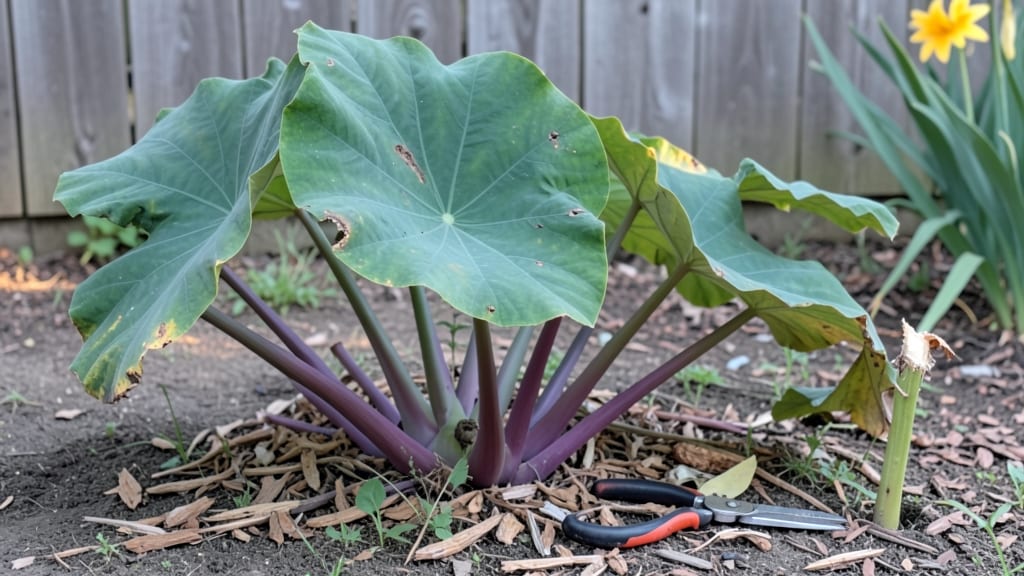
Trimming elephant ear plants isn’t just about cutting back—it’s about unlocking their full potential for season-long blooms and lush foliage. 🌿 I’ve learned the hard way that skipping these cuts leads to leggy, sparse plants, but the right 3 cuts transform them into showstoppers.
The key is timing: late winter, post-flowering, and mid-season maintenance make all the difference.
You’ll need just three tools: sharp pruners, clean shears, and a small bucket for clippings. Work on a dry day when the plants aren’t stressed, and always sterilize your tools with rubbing alcohol to prevent disease.
Most people over-cut or trim at the wrong time—both mistakes stunt growth, so we’ll focus on precise, strategic cuts that encourage bushiness.
The payoff is dramatic: thicker stems, brighter leaves, and more blooms than you’ve ever seen. Your plants will look neat, compact, and thriving—like they’re getting a spa day instead of a haircut. After trimming, give them a boost with balanced fertilizer to support new growth.
This works for all elephant ear varieties, whether you’re growing them in containers or garden beds. The same principles apply whether you’re dealing with Colocasia or Alocasia—just adjust the timing slightly for your climate. Let’s get those plants looking their best!
📚 In This Guide
- What you need
- Instructions
- Tips and common mistakes
- Wrapping up and next steps
What you need
- ● Sharp pruning shears or bypass pruners – Choose a pair with stainless steel blades (4-6 inch length) for precision cuts. (1 pair)
- ● Clean, disinfected cutting tool – A sterilized knife or pruning saw (for thicker stems) to prevent disease spread. (1 tool)
- ● Gloves – Garden gloves (nitrile or leather) to protect your hands from sap and sharp edges. (1 pair)
- ● Rubbing alcohol (70% or higher) – For sanitizing tools before and after trimming. (Small bottle)
- ● Compost bin or bag – To dispose of trimmings (avoid composting if diseased). (Access to one)
- ● Watering can or hose – For hydrating the plant post-trim (1-2 gallons of water). (1)
- ● Pruning sealant – Wound dressing (like tree sealant) to coat large cuts and prevent rot. (Small tube)
- ● Plant food or fertilizer – Balanced liquid fertilizer (10-10-10) to boost recovery after trimming. (1 bottle)
- ● Markers or labels – Waterproof tags to label trimmings if propagating. (Small pack)
- ● Knee pad or stool – For comfortable trimming of larger plants. (1)
Step-by-Step guide to trimming elephant ear plants for healthy growth
Here's how to keep your elephant ears lush and blooming all season with just three strategic cuts.
✂️ Step 1: Remove Dead or Damaged Foliage Early in the Season
Start by inspecting your elephant ear plants for any yellowed, brown, or torn leaves. These are the first to go—they drain energy that could fuel new growth. Grab your pruning shears and make clean cuts at the base of each problematic leaf, just above a healthy node or bud if possible. This ensures the plant redirects nutrients to stronger foliage.
I always do this within the first two weeks of spring growth. You'll notice new leaves emerging within days of this first trim—that's your signal everything is working. For larger stems, cut back to a healthy joint rather than leaving stubs, which can trap moisture and invite rot.
✂️ Step 2: Prune Back Leggy or Overgrown Stems Mid-Season
As your elephant ears mature, some stems may stretch too tall or become sparse. This is your cue to give them a mid-season haircut. Look for stems that are at least 12 inches tall with 3-4 sets of leaves—these are strong enough to support new growth after pruning. Cut back to just above a leaf node, angling the cut slightly downward to prevent water pooling.
This encourages bushier growth and prevents the plant from becoming top-heavy. I usually do this in early summer when the plant has established a sturdy root system. You'll see compact, fuller plants within a few weeks, and the remaining stems will produce even more vibrant blooms.
✂️ Step 3: Deadhead Spent Blooms for Continuous Flowering
Elephant ears reward careful maintenance with nonstop blooms. As flowers fade, their seed pods form and sap energy that could go to new blossoms. Use your fingers or shears to pinch off spent blooms at the base of the flower stem. This simple step keeps the plant focused on producing fresh flowers rather than setting seed.
I deadhead every 7-10 days throughout the blooming season. Watch for fresh buds forming at the stem base—this is your confirmation that the plant is responding well. For particularly vigorous plants, you might even see a second flush of blooms later in the season.
⏰ Step 4: Clean Up and Prepare for Dormancy (Late Season)
As temperatures drop and growth slows in fall, it's time for your final trim. Cut back all stems to about 6 inches tall, removing any remaining foliage or dead blooms. This prevents disease buildup over winter and keeps the plant tidy. For tropical varieties that won't survive frost, you can cut back even more aggressively—just leave enough to identify the plant next season.
This late-season trim also helps the plant conserve energy. I always do this after the first frost when the plant naturally slows down. You'll notice fresh, tight growth emerging in spring from these well-prepared stems.
Tips & tricks for perfect elephant ear plant trimming
These seasoned strategies will transform your elephant ear plants from scraggly to showstopping—with minimal effort and maximum impact.
The Tool Factor: Invest in sharp, bypass pruning shears designed for garden work—they make clean cuts that heal faster. I've ruined multiple plants with dull shears that crushed stems instead of slicing cleanly. For larger stems, a clean cut just above a leaf node prevents water pooling and rot. Always sterilize your tools with rubbing alcohol between cuts to prevent spreading disease from plant to plant.
Seasonal Timing Secret: The first two weeks of spring are your golden window for Step 1. Look for fresh new growth emerging—this signals the plant is ready to redirect energy from damaged leaves. In Step 2, wait until stems reach at least 12 inches with 3-4 leaf sets before pruning; this ensures the plant has stored enough energy for vigorous regrowth. I've learned the hard way that pruning too early in summer can shock the plant when it's still building its root system.
Visual Cues That Save Time: For deadheading in Step 3, look for flowers that have completely faded and developed seed pods—they'll feel dry and papery. Fresh buds appear as small, tight formations at the stem base, often with a slight purple tint. I deadhead every 7-10 days because I've noticed that's when new buds typically appear, creating a continuous bloom cycle. The key is consistency—don't wait until flowers are completely spent.
Late-Season Strategy: When preparing for dormancy in Step 4, cut back to about 6 inches tall but leave at least one pair of leaves at the base. This ensures the plant has enough foliage to photosynthesize and store energy over winter. For tropical varieties, you can cut back even more aggressively—just leave enough to identify the plant next spring. I've found that plants cut back properly in fall bounce back with stronger growth in spring.
Pro Tips for Trim Elephant Ear Plants
- These seasoned strategies will transform your elephant ear plants from scraggly to showstopping—with minimal effort and maximum impact.
- The Tool Factor: Invest in sharp, bypass pruning shears designed for garden work—they make clean cuts that heal faster.
- Seasonal Timing Secret: The first two weeks of spring are your golden window for Step 1.
Frequently asked questions
Got questions about trimming your elephant ear plants (like Colocasia or Alocasia)? You’re not alone! Here are answers to the most common ones—so you can keep your foliage lush and healthy without the guesswork.
When is the best time to trim elephant ear plants?
Trim your elephant ears in early spring (just as new growth emerges) to encourage fresh foliage and blooms. You can also do light maintenance trims throughout the growing season (spring to summer) to remove dead or yellowing leaves. Avoid trimming in fall or winter—they’re dormant and won’t bounce back well!
How much can I cut back without harming the plant?
You can safely remove up to 1/3 of the plant’s foliage in one go during early spring pruning. For maintenance, snip off only dead, damaged, or unsightly leaves—never cut into healthy stems. Think of it like a haircut: a little goes a long way!
Can I propagate the cuttings from trimming?
Healthy stems with leaves
can be rooted in water or moist soil to grow new plants. Just place the cutting in water (change weekly) or bury the stem halfway in soil. Keep it warm and humid, and you’ll have baby elephant ears in 4–6 weeks!
Why are my leaves turning yellow after trimming?
Yellowing leaves after trimming are usually normal—it’s the plant’s way of shedding old growth. However, if new leaves turn yellow or wilt, you might be over-trimming or dealing with stress. Ensure your plant gets bright, indirect light and consistent moisture (but not soggy soil) to recover.
Do elephant ear plants need winter trimming?
Nope! In colder climates, wait until spring to trim—these plants are dormant in winter. If you’re growing them as annuals or in pots, you can clean up dead foliage in late fall to tidy up, but avoid heavy pruning. Think of it like tucking them in for a nap!
Pro Tip:
Always use sterilized, sharp pruners to avoid spreading disease. Wipe blades with rubbing alcohol between cuts, and never trim during wet weather—that’s an open invitation for fungal issues. Happy pruning!
Wrapping up and next steps
Trimming your elephant ear plants doesn’t have to be intimidating—just follow the three key cuts (early spring, mid-summer, and fall cleanup) to keep them thriving and blooming all season long! 🌿 With the right tools, timing, and technique, you’ll enjoy lush foliage and stunning flowers year after year.
Ready to level up your gardening game? Grab your pruners and head outside—your elephant ears will thank you! For extra tips, bookmark this guide or share it with fellow plant lovers to spread the love (and the green thumbs). Happy pruning! ✂️💚