
How To
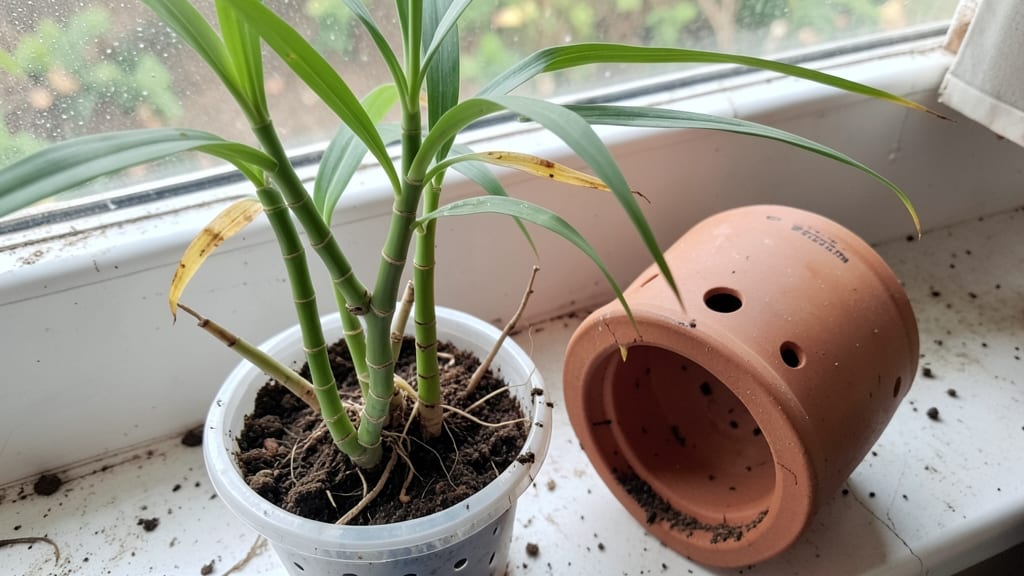
Transplanting bamboo the right way means your plant recovers in 2-3 weeks instead of struggling for months. I’ve moved clumping and running bamboo without a single dieback—here’s how to do it without the stress. The key is timing, root care, and keeping the plant calm during the move.
Start by digging around the root ball 12-18 inches out from the stems, using a sharp shovel to minimize damage. For running bamboo, trim the rhizomes to control spread before transplanting.
Water deeply the day before moving to reduce shock, and wrap the root ball in burlap if transporting more than 10 feet.
📚 In This Guide
- What you need
- Instructions
- Tips and common mistakes
- Wrapping up and next steps
What you need
- ● Bamboo plant: A healthy, well-watered bamboo (running or clumping type) ready for relocation.
- ● Garden shovel or trowel: A sharp, sturdy shovel (12–18 inches wide) for digging roots.
- ● Pruning shears or loppers: For trimming overgrown canes or roots if needed.
- ● Buckets or containers: 2–3 large (5+ gallon) buckets for water and soil.
- ● High-quality potting mix: Well-draining soil blend (e.g., 60% topsoil, 30% compost, 10% perlite/sand).
- ● Organic fertilizer: Slow-release granular fertilizer (10-10-10 or bamboo-specific blend).
- ● Watering can or hose: With a gentle spray nozzle for hydration.
- ○ Garden twine or burlap: To secure the plant during transport (optional but helpful).
- ● Root stimulator: A liquid or powder (e.g., mycorrhizal fungi) to boost recovery.
- ● Mulch (pine straw or wood chips): To retain moisture post-transplant.
- ● Gloves: To protect hands from sharp bamboo edges.
- ● Wheelbarrow: For moving soil or heavy plants.
- ● Plant support (stakes or cages): If transplanting tall bamboo to prevent toppling.
Instructions for transplanting bamboo with minimal shock
Here’s how to move your bamboo without disrupting its roots or stunting growth.
Prepare the New Location for Immediate Recovery
Choose a spot with similar light and moisture conditions to where your bamboo currently grows. Bamboo thrives in partial shade to full sun, but sudden exposure to intense light can scorch leaves. If transplanting in summer, pick an overcast day to reduce stress on the plant.
Loosen the soil in the new area with a garden fork or tiller to a depth of 12 inches—this prevents root binding and encourages faster establishment. Mix in 2-3 inches of compost into the top 6 inches of soil to replenish nutrients lost during transplanting. Water the prepared area thoroughly 24 hours before planting to help the soil settle and retain moisture.
Dig Around the Bamboo’s Root Ball Carefully
Use a sharp spade or garden knife to cut a clean 12-inch-wide circle around the bamboo’s base, about 6-8 inches deep. Angle the blade slightly outward to avoid damaging the roots. Lift the entire root ball gently by grasping the base—bamboo roots are fibrous but fragile, so avoid pulling or twisting. If the root ball is large, consider using a bamboo transplanting fork or a wide shovel to minimize root disturbance.
Inspect the roots for any signs of rot or damage. Trim away any blackened or mushy roots with sterilized pruners, but leave healthy white or tan roots intact. This step ensures the plant doesn’t carry disease to its new home. If the root ball is dry, soak it in a bucket of water for 10-15 minutes before moving it to prevent dehydration shock.
Replant the Bamboo with Support for Stability
Dig a hole in the new location that’s twice as wide as the bamboo’s root ball but only as deep as the original planting level. This prevents burying the crown, which can lead to rot. Place the root ball into the hole and backfill with the native soil, tamping down lightly every 2 inches to remove air pockets. Water deeply after each layer to help the soil settle around the roots.
Stake the bamboo if it’s tall or top-heavy. Use 3-4 bamboo stakes or wooden posts, positioning them 6-8 inches from the plant’s base and tying them loosely with soft twine. This gives the plant stability while its roots re-establish. Avoid over-tightening the ties, as they can cut into the stem as it grows.
Water and Mulch for Fast Revival
Water the transplanted bamboo deeply immediately after planting, then again every 2-3 days for the first 2 weeks. Check the soil 1 inch below the surface—it should feel moist but not soggy. Overwatering at this stage can suffocate the roots as they adjust. Reduce watering to once a week after the initial period, allowing the top 2 inches of soil to dry slightly between waterings.
Apply a 3-inch layer of mulch around the base, keeping it 6 inches away from the stem to prevent rot. Use shredded bark or wood chips, which break down slowly and improve soil structure. Mulching conserves moisture, regulates soil temperature, and suppresses weeds—all critical for a smooth recovery. Avoid piling mulch against the trunk, as this can trap excess moisture.
Monitor and Adjust for Long-Term Success
Watch for new growth within 3-4 weeks—this is your signal that the bamboo is recovering. If leaves yellow or wilt, it may need more water or protection from direct sun. Prune any dead or damaged foliage with sterilized pruners to redirect the plant’s energy into root and stem growth. Fertilize lightly with a balanced, slow-release fertilizer after 6 weeks to support recovery without overwhelming the plant.
After 3 months, the bamboo should be fully established. If it’s a clumping variety, you can gradually reduce watering as it adapts to its new environment. For running bamboo, ensure the rhizome barrier (if installed) is intact to prevent unwanted spreading. With proper care, your bamboo will bounce back stronger than ever within a season.
Tips & tricks for stress-free bamboo transplanting
Moving bamboo without shocking the plant takes careful planning—and these tricks will help you achieve fast, healthy root revival every time.
Timing is Everything: The 24-hour advance watering of the new location is your secret weapon. This ensures the soil is perfectly settled and moist, creating an ideal environment for the bamboo's roots to establish quickly. If you're transplanting in summer, schedule this step for early morning or late afternoon to avoid midday heat stress on the plant.
Root Care Matters: When you're inspecting the roots in Step 2, focus on keeping the healthy white or tan roots intact—they're the ones that will help your bamboo recover fastest. If you notice any roots are particularly tangled, gently tease them apart with your fingers rather than cutting. This preserves more of the root structure, which translates to faster revival once replanted.
Staking Strategy: The 3-4 stakes you use for support might seem like overkill, but they're crucial for tall or top-heavy bamboo varieties. Position the stakes slightly farther than 6-8 inches from the base if your bamboo has particularly thick stems—this prevents the ties from cutting into the growth as it thickens. Use soft twine or even old t-shirts cut into strips for the ties, as these materials are gentler on the plant's bark.
Watering Wisdom: That first deep watering after planting is non-negotiable, but the 2-3 day watering schedule requires attention. Check the soil 1 inch below the surface with your finger—it should feel like a damp sponge, not a wet washcloth. Overwatering at this stage can actually suffocate the roots as they try to establish, so resist the urge to water more frequently just because you're being careful.
Pro Tips for Transplant A Bamboo Plant
- Moving bamboo without shocking the plant takes careful planning—and these tricks will help you achieve fast, healthy root revival every time.
- Timing is Everything: The 24-hour advance watering of the new location is your secret weapon.
- Root Care Matters: When you're inspecting the roots in Step 2, focus on keeping the healthy white or tan roots intact—they're the ones that will help your bamboo recover fastest.
Frequently asked questions
Got questions about transplanting bamboo? You’re not alone! Here are answers to the most common concerns—so you can tackle your bamboo relocation like a pro.
When is the best time to transplant bamboo?
The ideal window is early spring or late fall
During these seasons, bamboo is dormant or just waking up, reducing transplant shock. Avoid extreme heat or frost—both stress the plant. If you’re in a mild climate, spring is your best bet. Pro tip: Overcast days help minimize sunburn during the move!
How deep should I plant bamboo rhizomes?
Bamboo rhizomes should be planted 2–3 inches deep in well-draining soil
If planted too shallow, they’ll dry out; too deep, and they’ll rot. Use a trowel to create a trench, place the rhizomes horizontally (not vertically), and cover with soil. For clumping bamboo, space rhizomes 1–2 feet apart; for running types, use a barrier root to control spread.
Can I transplant bamboo in pots?
Yes! Potted bamboo is easier to relocate, but choose the right type
Clumping bamboo (e.g., Fargesia) thrives in containers, while running bamboo (e.g., Phyllostachys) needs deeper pots and barriers. Use well-draining soil and repot every 2–3 years. For outdoor transplants, dig up the entire root ball and replant immediately. Warning: Large pots (>15 gallons) may need help lifting!
Why is my bamboo turning yellow after transplanting?
Yellowing leaves are usually a sign of transplant shock
Common causes: underwatering, overwatering, or root damage. Keep soil moist (not soggy) for the first 2–4 weeks and avoid direct sun. If yellowing persists, check for pests (like spider mites) or nutrient deficiencies. A light fertilizer (½ strength) after 4 weeks can help revive it.
Do I need to prune bamboo before transplanting?
Prune only if necessary—focus on roots, not foliage
Trim dead or damaged leaves to reduce stress, but avoid heavy pruning. Instead, concentrate on the roots: snip long rhizomes (for running bamboo) and remove tangled roots to encourage healthy regrowth. Prune in the morning to let wounds heal by evening.
How do I prevent bamboo from spreading aggressively?
Use physical or chemical barriers for running bamboo
Install a 3-foot-deep underground barrier (like HDPE plastic) or dig a trench and fill it with gravel. For chemical control, apply triclopyr herbicide (follow label instructions) to cut rhizomes. Clumping bamboo spreads less, but still monitor its growth. Bonus: Regularly check barriers for gaps!
Wrapping up and next steps
Transplanting your bamboo plant doesn’t have to be a daunting task—with the right tools, timing, and care, you’ll help it thrive in its new home! 🌱 Remember, patience and preparation are key, whether you’re moving a clumping or running variety.
Now that you’re equipped with step-by-step guidance and expert tips, it’s time to roll up your sleeves and give your bamboo the fresh start it deserves.
Ready to watch your plant flourish? Dig in, follow the steps, and celebrate your green thumb! Next, consider exploring long-term care tips to keep your bamboo healthy and vibrant for years.