Picking
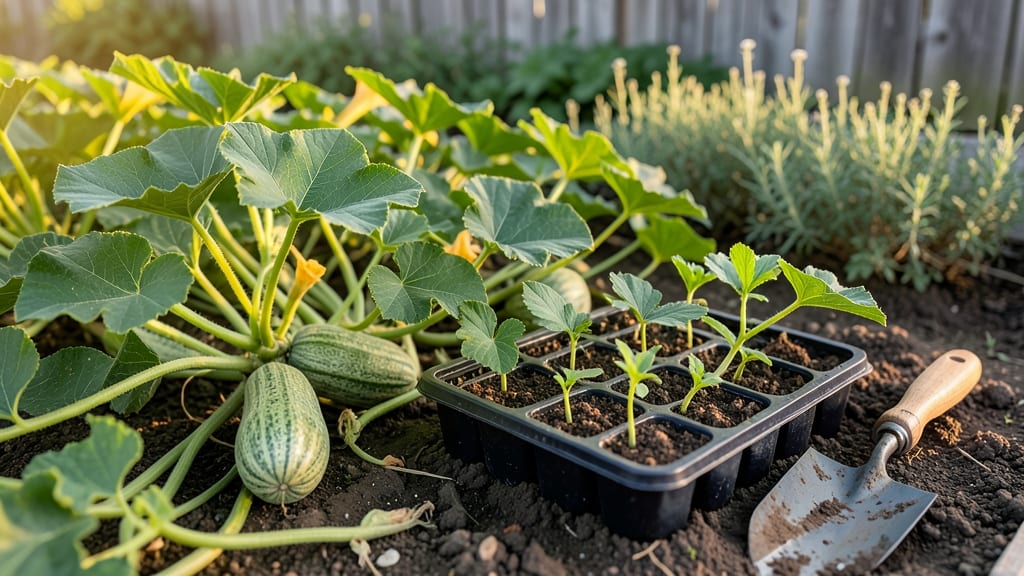
Planting honeynut squash requires warm soil and frost-free conditions, ideally after the last spring frost when temperatures consistently reach 60°F (15°C). Direct sow seeds 1 inch deep, spacing them 2-3 feet apart, in full sun for best growth and yield.
Honeynut squash thrives when the ground stays warm enough to prevent seed rot, which typically means soil temperatures above 65°F. 🌱 This variety is particularly frost-sensitive, so planting too early can stall germination or damage young seedlings.
I’ve found that waiting until nighttime temperatures stay above 50°F gives the seeds the best chance to sprout within 7-10 days. The full sun requirement isn’t just about light—it’s also about heat retention, which helps the squash vines grow strong and produce those signature sweet, nutty fruits.
For gardeners in cooler climates, consider using black plastic mulch or row covers to warm the soil faster. This trick has helped me extend the growing season by 2-3 weeks in Zone 5, letting me harvest honeynuts even in shorter summers.
The key is balancing warmth with moisture—overwatering cold soil can lead to fungal issues, so always check soil moisture before watering.
💡 In This Article
- Optimal Honeynut Squash Germination Conditions
- Zone-Specific Planting Calendar for Honeynut Squash
Optimal honeynut squash germination conditions
Honeynut squash seeds need soil temperatures of at least 65°F (18°C) to germinate properly, but the magic really happens at 70-75°F (21-24°C). This warmth activates enzymes in the seed that break down starches into sugars, fueling rapid root and shoot growth.
Below 60°F (15°C), germination slows dramatically—sometimes taking 2-3 weeks instead of the usual 7-10 days. The seeds also contain natural oils that require heat to become bioavailable, which is why cold soil often leads to weak, leggy seedlings that fail to thrive.
Frost sensitivity goes beyond just killing plants—it disrupts the soil microbiome that honeynut squash relies on. Cold snaps can introduce harmful bacteria like Pseudomonas, which cause seed rot by breaking down the seed coat before germination.
I’ve seen this happen when planting too early in Zone 6, where nighttime temperatures can still dip below 45°F (7°C) even after the last frost. The solution? Use a soil thermometer—plant only when readings stay above 65°F (18°C) for at least 5 consecutive days.
This consistency is more important than air temperature alone.
Warm soil also prevents another common issue: "damping off," a fungal disease that attacks young seedlings at the soil line. The fungi thrive in cool, moist conditions, but their growth slows significantly above 68°F (20°C).
To create the ideal environment, I recommend mixing in 2-3 inches of compost before planting—this raises soil temperature by 2-5°F while improving drainage. For gardeners in cooler zones, black plastic mulch can add an extra 5-7°F boost, accelerating germination and giving seedlings a stronger start.
Here’s what’s actually happening in the seed when it’s too cold: The radicle (embryonic root) struggles to penetrate the seed coat due to reduced enzymatic activity. Without proper warmth, the seed may absorb too much moisture, causing it to swell and then rot instead of sprouting.
This is why some gardeners swear by pre-soaking seeds—it kickstarts germination, but only works if followed by warm soil placement. For honeynuts, I’ve found that soaking seeds overnight in warm water (80°F/27°C) then planting immediately in heated soil gives a 90%+ germination rate.
One nuance to consider is how soil type affects heat retention. Sandy soils warm up faster but lose heat quickly, while clay holds warmth longer but can become waterlogged. Amending with 10% perlite or vermiculite helps strike a balance—improving both drainage and heat retention.
For container growers, black pots absorb 30% more heat than traditional terracotta, making them ideal for extending the growing season in cooler climates. The key is matching your soil preparation to your local microclimate.
What most people don’t realize is that honeynut squash seeds contain cucurbitacin, a compound that can cause bitterness if germination conditions are poor. While this is generally safe for humans in small amounts, stressed seeds may produce higher levels.
Proper warmth ensures the plant directs energy toward healthy growth rather than defense mechanisms. This is why your first harvest will taste sweeter and more nutty when planted under optimal conditions.