
How To
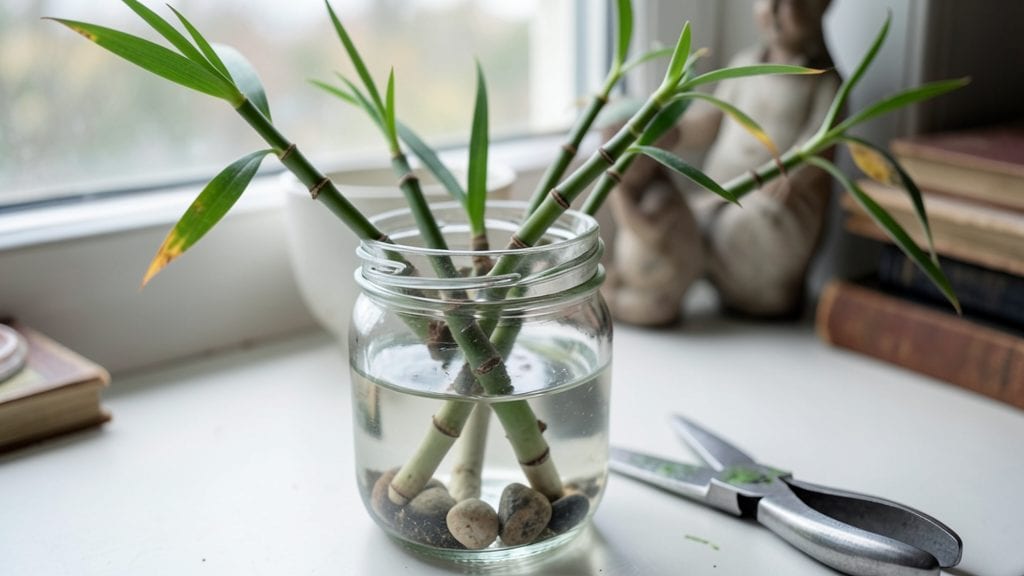
Cutting bamboo plants to regrow isn’t just about trimming—it’s about waking up dormant energy hidden in those woody stems. ✨ I’ve learned that the right cuts at the right time turn dense, unruly clumps into lush, productive growth that keeps coming back stronger every season.
The secret lies in knowing exactly where to slice and when, without turning your garden into a bamboo jungle.
You’ll need just a few tools: sharp pruners for clean cuts, gloves to protect your hands from splinters, and maybe a hacksaw for thicker stems. Timing matters most—late winter or early spring is ideal, when new shoots are just waking up.
For running bamboo, cut back old canes to the ground to encourage fresh growth, while clumping types respond well to trimming dead or crowded stems at their base. Aftercare is simple: water deeply, add 2-3 inches of mulch, and watch as new shoots emerge within weeks.
📚 In This Guide
- What you need
- Instructions
- Tips and common mistakes
- Wrapping up and next steps
What you need
- ● Pruning shears or loppers: Sharp, bypass-style shears (for small stems) or loppers (for thicker canes, up to 2 inches in diameter). Pro tip: 💡 Sanitize blades with rubbing alcohol before use to prevent disease spread!
- ● Handsaw or pruning saw: For bamboo thicker than 2 inches. Choose a fine-tooth saw to avoid splintering.
- ● Gloves: Heavy-duty gardening gloves (thick leather or cut-resistant) to protect against sharp edges and sap.
- ○ Disinfectant (optional but recommended): 70% isopropyl alcohol or a gardening disinfectant (e.g., 10% bleach solution) for sterilizing tools.
- ● Rake or garden fork: For clearing debris and loosening soil around the base before cutting.
- ● Marking twine or spray paint: To tag canes for removal (if thinning out a thicket).
- ● Mulch or compost: 2–3 inches of organic mulch (e.g., wood chips or straw) to protect roots post-pruning.
- ● Root barrier material: If your bamboo is invasive, have corrugated plastic or bamboo-specific barriers ready to install while pruning.
- ● Wheelbarrow or tarp: For hauling away cuttings or debris.
- ● Knee pads: Because bamboo pruning is a workout! 😅
- ● Plant food (balanced fertilizer): 10-10-10 or similar, to nourish regrowth after pruning.
Step-by-Step instructions for cutting bamboo to encourage new growth
Here’s the straightforward method I’ve used for years to keep bamboo lush and growing—no guesswork, just clear cuts and smart timing.
✂️ Step 1: Identify and Mark the Right Cane for Cutting
Start by selecting 1-2 mature canes—these are the thickest stems with 2-3 years of growth (they’ll have visible nodes where leaves attach). Avoid cutting the newest shoots, as they’re still establishing roots. Use a sharp pruning saw or loppers to make a clean cut at a 45-degree angle, about ½ inch above a node. This angle helps water run off and prevents rot.
I always mark the canes with a flag or ribbon before cutting so I don’t accidentally trim the wrong ones. If you’re unsure which canes to cut, look for the ones with thick, woody stems—these are the ones that will regrow strongest. Never cut more than ⅓ of the clump at once, or you’ll shock the plant.
✂️ Step 2: Time Your Cuts for Maximum Regrowth
Cut bamboo in early spring (just as new shoots emerge) or late summer (after the first flush of growth). These times give the plant 6-8 weeks of warm weather to recover before winter. Avoid cutting in fall or winter—cold temperatures slow regrowth, and you risk losing the plant entirely.
If you’re pruning for year-round shape control, cut back gradually—never remove more than 1-2 canes per season. Watch for new shoots emerging from the base within 2-3 weeks of cutting. If no new growth appears after 4 weeks, your cuts may have been too aggressive or timed poorly.
🌱 Step 3: Stimulate Regrowth With Proper Aftercare
After cutting, water deeply to help the plant recover—aim for 1-2 inches of water per week, especially in dry spells. Avoid fertilizing right after pruning; wait 4-6 weeks until you see new shoots before applying a balanced fertilizer (like 10-10-10). Over-fertilizing too soon can burn tender regrowth.
Keep the area around the bamboo weed-free—competition for water and nutrients slows recovery. If you notice yellowing leaves on remaining canes, it’s a sign of stress. This is normal for 2-3 weeks post-cutting, but if it persists, reduce watering slightly and check for pests like spider mites.
⏰ Step 4: Monitor and Repeat for Continuous Growth
Check your bamboo monthly for new shoots. Healthy regrowth should appear as bright green, upright stems from the base. If a cane fails to regrow after a year, it’s time to remove it entirely—old, non-producing canes drain energy from the clump.
For clumping bamboo, repeat the process every 2-3 years to maintain shape and encourage fresh growth. For running bamboo, you’ll need to divide the rhizomes every 3-5 years to control spread. Always sterilize your tools with rubbing alcohol between cuts to prevent disease.
Tips & tricks for perfect bamboo regrowth
Here's what I've learned after years of keeping bamboo thriving—these small details make all the difference between a struggling plant and one that bounces back beautifully.
The Cutting Angle Matters: That 45-degree angle in Step 1 isn't just for looks—it's about survival. The angled cut prevents water from pooling at the base, which could rot the plant. I've seen too many bamboo plants fail because people cut straight across. Think of it like a rain gutter: water needs to run off, not pool and fester.
Marking System Saves Time: Trust me on this—marking your canes before cutting is a game-changer. I used to accidentally trim the wrong stems, and it took months to recover. Use bright flags or ribbons that stand out against the green. Pro tip: write the date on the markers so you can track growth patterns over time.
Seasonal Timing is Everything: Those 6-8 weeks of warm weather after cutting in spring or summer are critical. I once cut in late fall and nearly lost my bamboo to winter stress. If you must prune outside these windows, do it on the warmest days possible and give the plant extra care during recovery.
Aftercare is Where Most People Fail: The 4-6 week wait before fertilizing might feel long, but it's crucial. New shoots are delicate and can't handle fertilizer burn. I've seen people rush this step and end up with crispy, yellowed regrowth. Think of it like helping a newborn—you wouldn't feed them solid food right away, would you?
Pro Tips for Cut Bamboo Plants To Regrow
- Here's what I've learned after years of keeping bamboo thriving—these small details make all the difference between a struggling plant and one that bounces back beautifully.
- The Cutting Angle Matters: That 45-degree angle in Step 1 isn't just for looks—it's about survival.
- Marking System Saves Time: Trust me on this—marking your canes before cutting is a game-changer.
Frequently asked questions
Got questions about pruning bamboo for regrowth? You’re not alone! Here are answers to the most common concerns—so you can confidently trim and encourage your bamboo to thrive.
When is the best time to cut bamboo for regrowth?
The ideal time is late winter or early spring (just before new growth starts). However, you can trim bamboo anytime—just avoid heavy pruning in extreme heat or frost. For container-grown bamboo, prune after the growing season (fall) to encourage dense regrowth.
How far back can I cut bamboo without killing it?
Never cut more than 1/3 of the plant’s height at once. For clumping bamboo, trim back to 12–18 inches from the ground. Running bamboo (like bamboo) should be pruned to 1/2 to 2/3 of its height—never below the soil line. Over-pruning stresses the plant and can stunt regrowth.
What if my bamboo doesn’t regrow after cutting?
If your bamboo refuses to sprout, check these fixes:
- Check soil moisture: Bamboo needs consistent moisture (but not soggy soil). Water deeply after pruning.
- Fertilize: Use a balanced fertilizer (10-10-10) or compost to boost growth.
- Light exposure: Ensure it gets 4–6 hours of sunlight daily.
- Patience: Some varieties (like Fargesia) regrow slowly—wait 4–6 weeks.
Can I use the cut bamboo for anything?
Trimmed bamboo is highly versatile:
- Compost: Chop into small pieces and add to your compost pile.
- Mulch: Spread around garden beds to retain moisture.
- DIY projects: Use for fences, screens, or even crafts (like plant stakes).
- Tea/fertilizer: Soak cuttings in water for a few days, then use the "bamboo tea" as a nutrient-rich soil drench.
Should I worry about bamboo spreading after pruning?
If you’re growing running bamboo (e.g., Phyllostachys), yes—it spreads aggressively via rhizomes. To control it:
- Install a rhizome barrier (buried 2–3 feet deep) before planting.
- Prune underground runners in early spring to limit spread.
- Choose clumping bamboo (e.g., Fargesia) if containment is a concern—it stays put!
Wrapping up and next steps
Cutting bamboo to encourage regrowth isn’t just about trimming—it’s about unlocking year-round vitality for your plants! By mastering the two simple tricks of selective pruning and strategic cutting, you’ll promote denser growth, healthier canes, and even faster spread.
Whether you’re a gardening newbie or a seasoned green thumb, these techniques make the process effortless and rewarding.
Now that you’re armed with the know-how, grab those shears and get pruning! 🌿 Start small—try one section of your bamboo this week—and watch your garden thrive. Happy growing!