
Pruning
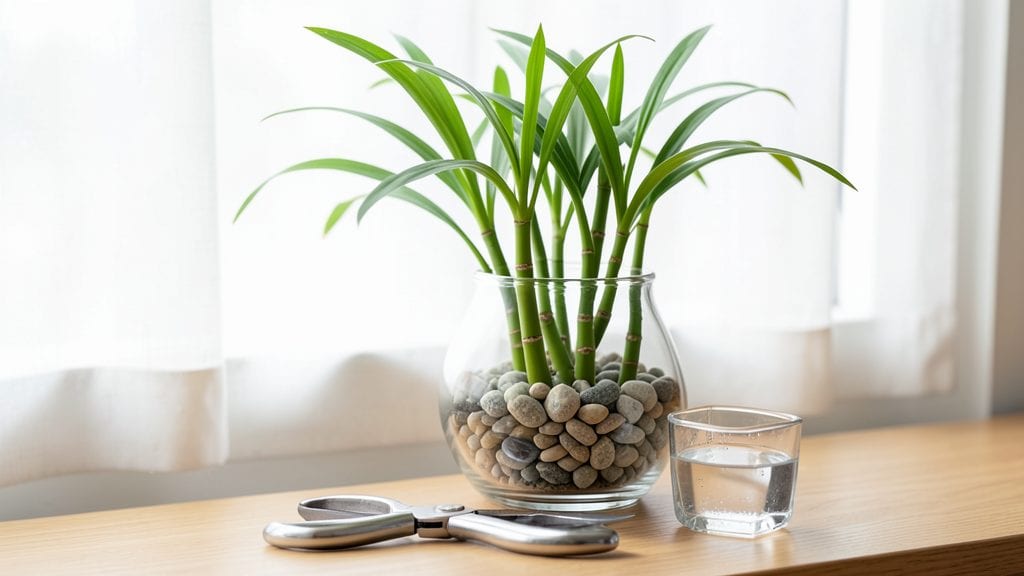
Pruning bamboo plants keeps them thriving and contained—something I learned the hard way after watching a running variety take over my backyard fence. 🌱 The key is timing, technique, and knowing whether you're dealing with clumping or running types.
Most people wait too long, and by then, the cleanup is brutal.
You'll need sharp pruners, gloves, and a clear day for visibility. For clumping bamboo, focus on removing dead canes and thinning the center to improve airflow. Running bamboo demands containment barriers and aggressive pruning of underground rhizomes.
I've found that late winter or early spring—just before new growth starts—is the best time to prune.
Done right, your bamboo will grow stronger, denser, and more controlled. You'll see fresh green shoots within weeks, and the plant will invest energy in new growth instead of spreading uncontrollably. The difference between a wild, invasive mess and a well-behaved ornamental is just a few strategic cuts.
Whether you're dealing with a small clump or a rampant spreader, these techniques work. The secret is consistency—prune once a year, and you'll avoid the nightmare of wrestling with a 20-foot-tall bamboo monster later. Let's get started with the right approach for your type.
📚 In This Guide
- What you need
- Instructions
- Tips and common mistakes
- Wrapping up and next steps
What you need
- ● Pruning shears or loppers: Sharp, clean tools with bypass blades (avoid anvil types to prevent crushing). Choose 4- to 6-inch blades for smaller stems and 8-inch loppers for thicker growth.
- ● Pruning saw: A curved-tooth saw (for cutting through woody bamboo stalks up to 2 inches thick). Opt for a 10-inch blade for larger clumps.
- ● Gloves: Heavy-duty, gardening gloves with cut-resistant palms to protect against sharp edges and sap.
- ● Disinfectant: 70% isopropyl alcohol or a 10% bleach solution (1 part bleach to 9 parts water) to sterilize tools between cuts and prevent disease.
- ● Rake or hoe: A stiff metal rake or broadfork to clear debris and loosen soil around the base before pruning.
- ● Heavy-duty trash bags: 30-gallon contractor bags for hauling away large clippings (bamboo grows fast!).
- ● Root barrier installation kit: If your bamboo is running wild, a HDPE root barrier (1/4-inch thick) can help contain future growth. Measure 2-3 feet deep and 1 foot wider than your clump.
- ● Compost or mulch: Shredded bark or aged compost to replenish nutrients after pruning and reduce weed competition.
- ● Knee pads or stool: For comfort during long pruning sessions—especially if your bamboo is tall or dense!
- ○ Pruning sealant: Tree wound paint (optional) to coat large cuts and prevent sap loss or pest entry.
- ● Know your bamboo type: Running bamboo (aggressive spreaders like Phyllostachys) vs. clumping bamboo (slower growers like Bambusa). Pruning goals differ!
- ● Check the season: Prune late winter or early spring (just before new growth) for best results. Avoid pruning in fall—it can stimulate unwanted regrowth.
- ● Clear the area: Remove nearby plants, toys, or decor that could get in the way of flying debris or sap.
- ● Water nearby: Have a hose or bucket handy to rinse tools and clean up sap spills.
Step-by-step guide to pruning bamboo for controlled growth
Here’s the method I’ve used to keep bamboo lush, contained, and healthy—without sacrificing its natural beauty.
🌿 Step 1: Identify the Right Time and Tools
Prune bamboo in late winter or early spring, just as new shoots begin to emerge. This timing ensures you remove old growth while leaving the plant’s energy reserves intact for the growing season. I always use sharp, clean pruning shears—dull blades tear stems and invite disease. For thicker canes, a pruning saw works best.
Wear gloves to protect your hands from the sharp edges of mature canes. Bamboo’s rapid growth means stems can develop a rough, abrasive texture over time. I also keep a disinfectant spray (70% isopropyl alcohol) handy to clean tools between cuts. This prevents cross-contamination if your bamboo shows signs of fungal or bacterial issues.
✂️ Step 2: Remove Dead or Damaged Canes
Start by inspecting the plant for dead, diseased, or weak canes—these are easy to spot because they’re hollow, discolored, or lack leaves. Cut these back to the ground level or to a healthy node if the stem is still partially alive. Avoid leaving stubs longer than ½ inch, as they can trap moisture and rot.
Look for canes that lean excessively or rub against others—they’ll create wounds that weaken the plant. These should go next. I like to make my cuts at a 45-degree angle, about ¼ inch above a node (the bump where leaves or branches emerge). This encourages clean healing and prevents water from pooling.
🌱 Step 3: Thin Out Overcrowded Growth
Bamboo’s aggressive growth means it can quickly become dense, which reduces air circulation and increases humidity—perfect conditions for fungal diseases. Aim to remove about 20-30% of the oldest canes to open up the center of the plant. Focus on the thickest, most established stems first.
Use your hand to grip the cane near the base and pull gently while twisting. If it resists, make a clean cut at the ground level. I space my cuts evenly around the plant—this ensures sunlight reaches the inner stems and encourages even regrowth. Avoid removing more than one-third of the plant’s canes in a single session, or you’ll stress the rhizome system.
⏰ Step 4: Prune for Shape and Size Control
If your bamboo is spreading beyond its intended space, dig up and divide clumping varieties in early spring. For running bamboo, install a root barrier at least 12 inches deep and 3 feet wide to contain the rhizomes. Once installed, trim any shoots that emerge beyond the barrier’s edge immediately.
For aesthetic shaping, prune new shoots back by one-third to encourage bushier growth. You’ll notice the plant’s energy shifts from vertical growth to filling out horizontally. Avoid heavy pruning in summer or fall, as this can stimulate weak, late-season growth that won’t harden off before winter.
💧 Step 5: Post-Pruning Care
After pruning, water deeply to help the plant recover. Bamboo has a robust root system, but heavy cuts can temporarily disrupt its water uptake. I apply a balanced, slow-release fertilizer (10-10-10 ratio) to support regrowth. Avoid high-nitrogen fertilizers—they promote leafy growth at the expense of stem strength.
Monitor the plant for new shoots in the following weeks. These will indicate successful pruning. If you notice yellowing leaves or wilting, reduce watering slightly—overcompensating after pruning can lead to root rot. Mulch the base with 2-3 inches of organic mulch to retain moisture and suppress weeds, which compete for nutrients.
Tips & tricks for pruning bamboo plants
Here's what I've learned from years of pruning bamboo—these tricks will help you maintain healthy, vibrant plants while avoiding common pitfalls.
Timing is Everything: Late winter or early spring is the absolute best time for pruning because it coincides with the plant's natural dormancy period. This timing allows the bamboo to focus its energy on new growth rather than recovering from stress. I've seen bamboo plants that were pruned in summer struggle to recover—new shoots often grow weak and fail to harden off before winter. If you miss this window, avoid pruning during summer's peak heat, as the plant will expend too much energy trying to recover.
Tool Prep Prevents Problems: Sharp tools are non-negotiable—dull pruning shears tear stems, creating jagged wounds that invite disease. I always clean my tools with 70% isopropyl alcohol between cuts, especially when working with diseased plants. For thicker canes, a pruning saw gives you the control needed to make clean cuts without crushing the stem. Don't forget to wear gloves; bamboo canes develop razor-sharp edges over time, and the sap can irritate skin. I keep a small first-aid kit handy just in case.
Precision Cuts Promote Healing: When removing canes, make your cuts at a 45-degree angle about ¼ inch above a node. This angle prevents water from pooling in the cut, which reduces the risk of rot. For new shoots, pruning back by one-third encourages bushier growth by redirecting the plant's energy from vertical to horizontal expansion. I've noticed that cuts made at nodes also heal faster because the plant's natural growth points are preserved. If you're unsure where a node is, look for the small bump where leaves or branches emerge—it's usually about ½ inch above the ground level.
Post-Pruning Recovery Matters: After heavy pruning, the plant needs time to recover. I always water deeply right after pruning to help the roots re-establish their connection to the foliage. Applying a balanced 10-10-10 fertilizer supports regrowth without promoting excessive leafy growth. Mulching with 2-3 inches of organic material helps retain moisture and suppress weeds that compete for nutrients. Watch for new shoots in the following weeks—they're a sure sign your pruning was successful. If you notice yellowing leaves or wilting, it's a sign you've overcompensated with water.
Pro Tips for Pruning Bamboo Plant
- Here's what I've learned from years of pruning bamboo—these tricks will help you maintain healthy, vibrant plants while avoiding common pitfalls.
- Timing is Everything: Late winter or early spring is the absolute best time for pruning because it coincides with the plant's natural dormancy period.
- Tool Prep Prevents Problems: Sharp tools are non-negotiable—dull pruning shears tear stems, creating jagged wounds that invite disease.
Frequently asked questions
Got questions about pruning bamboo? You’re not alone—this fast-growing plant can be tricky! Here are answers to the most common concerns to help you keep your bamboo healthy and under control.
When is the best time to prune bamboo?
The ideal time to prune bamboo is late winter or early spring (just before new growth starts) for clumping types, or year-round for running bamboo (but avoid extreme heat or frost). Pruning in late summer can encourage new shoots before winter, but avoid heavy cuts then—focus on shaping and removing dead canes.
How do I prune bamboo without killing it?
Bamboo is tough, but never remove more than 1/3 of the plant at once. Use clean, sharp tools to make clean cuts at a <45° angle, about 1/4 inch above a node (the joint where leaves or branches grow). Avoid cutting into the rhizome (underground stem)—this can stress or even kill the plant. Water well after pruning to help recovery.
What if my bamboo keeps spreading even after pruning?
If your bamboo (especially running bamboo) is still spreading aggressively, it may need barrier roots or rhizome pruning. Dig down to expose and trim the rhizomes 12–18 inches deep along the perimeter of your desired boundary. For stubborn cases, consider root barriers (buried plastic or metal sheets) to block underground growth.
Can I prune bamboo in the fall?
Light pruning in early fall (before frost) is fine for cleanup, but avoid heavy cuts—new growth won’t have time to harden off before winter. If you must prune later in the season, focus on dead or diseased canes and avoid shaping. Wait until spring for major trims to prevent stress and improve winter survival.
What’s the difference between pruning clumping vs. running bamboo?
| Clumping Bamboo | Running Bamboo |
|---|---|
| Prune to remove old or weak canes and encourage new shoots from the center. | Prune aggressively to control spread—cut back shoots at the base and monitor rhizomes. |
| Best for containers or small spaces—less invasive. | Requires barriers or frequent rhizome checks to prevent takeover. |
| Prune year-round for maintenance, but avoid heavy cuts in winter. | Prune year-round, especially after rain (rhizomes grow faster when wet). |
Still unsure? Snap a photo of your bamboo’s growth pattern and ask a local nursery—they can tailor advice to your specific type!
Wrapping up and next steps
Pruning your bamboo isn’t just about keeping it tidy—it’s a game-changer for its health, growth, and even your garden’s harmony! 🌿 By mastering seasonal cuts, you’ll encourage lush foliage, prevent overgrowth, and maintain that perfect balance.
Whether you’re trimming runners, thinning clumps, or shaping canes, every snip is a step toward a thriving, controlled bamboo plant.
Ready to roll up your sleeves? Start small—pick one section to prune this season and build your confidence. Before you know it, your bamboo will be the star of the show, and you’ll be the proud gardener behind it! 🌱✨