
How To
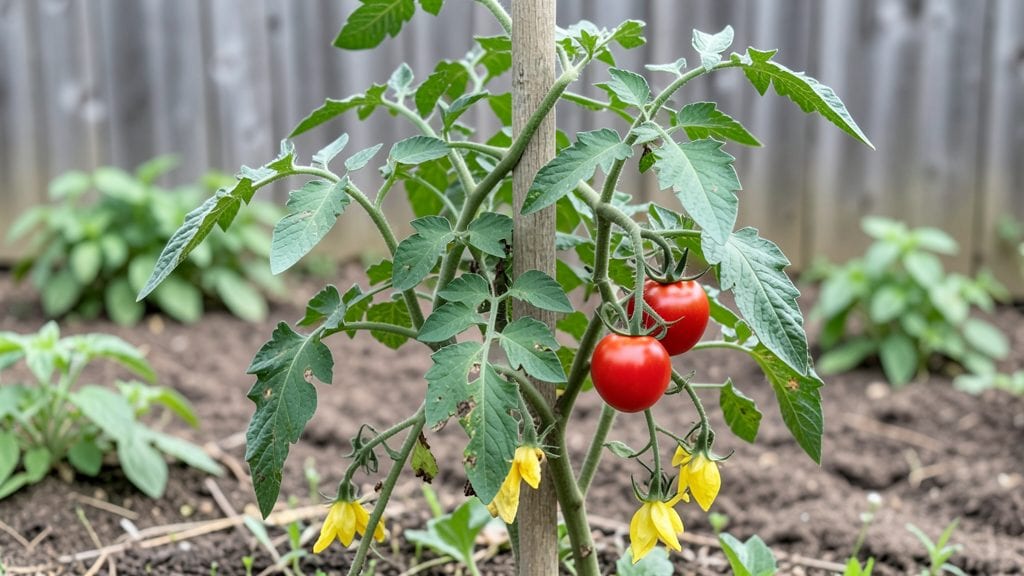
Wondering how tall does a tomato plant grow? You’ll find varieties ranging from just 1 foot to impressive heights of 12 feet, depending on the type and support you provide.
Wondering how tall your 🍅 plants will grow this season? The height of your tomato plants can drastically impact your harvest—and whether you need a trellis, cage, or just extra space in your garden.
From dwarf varieties that stay compact to towering indeterminate giants reaching 12 feet or more, understanding tomato plant heights helps you plan for success.
Determinate varieties—like 'Roma' or 'Celebrity'—top out around 3 to 5 feet, making them perfect for containers or small gardens. Indeterminate types, such as 'Sungold' or 'Brandywine', keep growing until frost, often needing 6 to 12 feet of support.
Without proper care, even compact plants can flop or sprawl, wasting space and reducing yields.
In this guide, I’ll break down the height ranges by variety, how to choose the right support, and when to prune for healthier growth. By the end, you’ll know exactly how much space to allocate—and how to keep your plants thriving all season long.


Tomato plant height by variety: determinate vs indeterminate types explained
When planning your tomato garden, one of the first questions I ask is: how tall will my tomato plants grow? The answer depends entirely on whether you're growing determinate (bush) or indeterminate (vining) varieties.
These two growth habits dictate everything from support needs to harvest timing and even yields per plant. Understanding the difference helps you choose the right varieties for your space and growing goals.
Determinate tomatoes grow to a predictable height—typically between 3 to 5 feet—and produce fruit all at once over a 2-3 week window. This makes them perfect for container gardening or small spaces where you don’t need tall supports.
Indeterminate varieties, on the other hand, keep growing until frost and can reach 6 to 12 feet or more, producing fruit continuously throughout the season. Their vining habit requires sturdy trellises or cages.
Here’s the key difference: determinate plants set all their fruit at once (great for canning), while indeterminate plants produce fruit continuously (ideal for fresh eating). Your choice depends on whether you prioritize early bulk harvests or ongoing production.
Both types have their advantages, and knowing their height ranges helps you plan for garden layout and support structures from day one.
🌱 comparison table
If you’re growing
How to support tall tomato plants: trellis, cage, and staking solutions by height
Choosing the right support for your tomato plants isn't just about aesthetics—it directly impacts your harvest yield and plant health. Without proper support, tall varieties can flop over, develop disease-prone conditions, or even rot at the base.
The key is matching your tomato variety to the right support system based on its mature height and growth habit.
Indeterminate tomatoes—those that grow continuously throughout the season—often reach 6 to 12 feet, while determinate varieties typically stay between 3 to 5 feet. Your support choice should also consider your garden space, whether you're growing in containers, or dealing with windy conditions.
Let’s break down the best solutions for each height range.
- 1-3 ft (Dwarf Varieties) – Use small cages or low stakes (3-4 ft tall). Ideal for balconies or container gardening.
- 3-5 ft (Determinate Bush Types) – Opt for 5-ft cages or T-post stakes with twine ties. Perfect for in-ground gardens with moderate spacing.
- 5-8 ft (Semi-Indeterminate) – Install 6-ft trellises or wooden stakes with flexible ties. Great for small gardens or vertical gardening.
- 8-12+ ft (Indeterminate Giants) – Use 10-ft trellises, strong bamboo poles, or metal cages. Essential for high yields and disease prevention.
For DIY trellises, repurpose materials like bamboo stakes, wooden lattice panels, or even old ladders. Secure them firmly into the ground to prevent toppling during storms.
If you're short on space, consider wall-mounted trellises or hanging baskets for cherry tomatoes—these can save valuable floor space while keeping plants off the ground.
When using stakes or cages, avoid tying vines too tightly, as this can restrict growth or damage stems. Instead, use soft velcro ties or strips of fabric to gently guide the plant upward.
Prune suckers (the shoots that grow in the leaf axils) regularly to encourage stronger main stems and better airflow, reducing the risk of blight.
If you notice your tall tomatoes leaning or flopping, don’t wait to act. Reinforce supports immediately, especially before the fruit sets. Heavy tomatoes can break weak stems, so redistribute weight by pruning lower leaves and tying vines securely.
For container growers, choose lightweight supports like plastic cages or flexible trellis netting to avoid tipping over.
Remember, the right support isn’t just about height—it’s about maximizing your harvest while keeping your plants healthy and productive. With the right setup, even 12-foot giants can thrive in your garden without taking over your space. Happy growing! 🌱