
How To
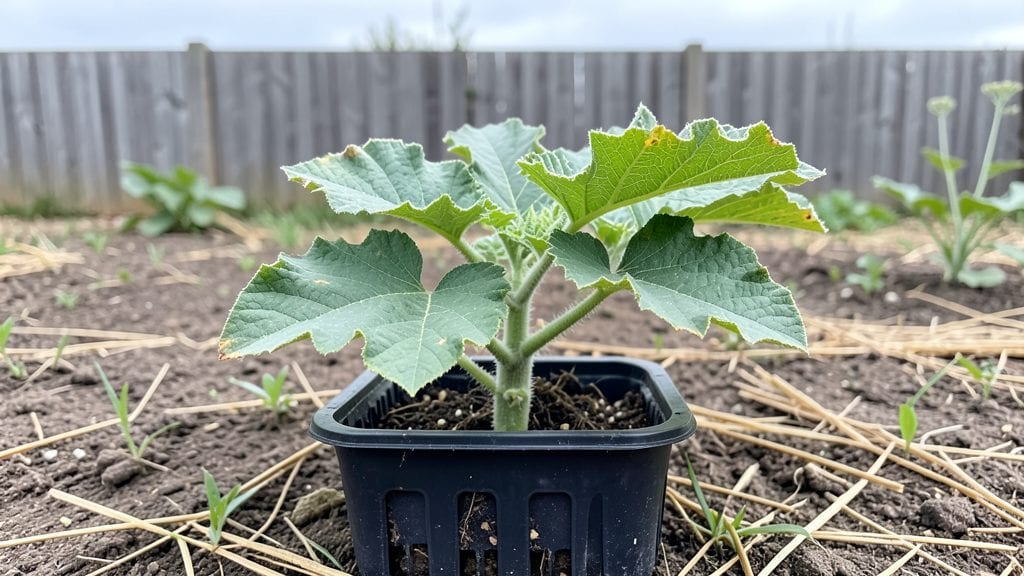
Planting cantaloupe seeds at 1 inch deep is the fastest way to get them sprouting—too shallow or too deep, and you risk stunted growth or rot before they even emerge.
Struggling to get your cantaloupe seeds to sprout? Planting them at the wrong depth can delay germination—or worse, kill them before they even start. The secret to fast, healthy growth lies in understanding the exact planting depth and soil conditions cantaloupe seeds need to thrive.
In USDA Zone 6a, where spring planting kicks off in April, warm soil temperatures (at least 70°F) are just as critical as depth.
A shallow hole with consistent moisture speeds up those first shoots, while compacted or cold soil can leave you waiting weeks—or worse, with nothing at all.
Below, I’ll break down the perfect planting depth, soil prep tricks to avoid common mistakes, and how to tell if your seeds are on track for a fast, bountiful harvest by July.
The ideal cantaloupe seed planting depth for fast germination
Cantaloupe seeds are notoriously sensitive to planting depth—too shallow, and they dry out; too deep, and they suffocate. The ideal depth for cantaloupe seeds is ¼ to ½ inch below the soil surface.
This range balances moisture retention with oxygen access, which is critical for fast germination (typically 5–10 days under optimal conditions). Even slight deviations can reduce your seeds' ability to sprout efficiently.
Why does this depth matter? Cantaloupe seeds need consistent moisture to activate enzymes that break down stored nutrients, but they also require air circulation to prevent rot.
Planting too deep (over ½ inch) creates an oxygen-deficient zone, while planting too shallow (under ¼ inch) exposes seeds to rapid drying, especially in hot climates. The ¼-to-½-inch range strikes the perfect balance for most gardeners.
Soil temperature plays an equally critical role. Cantaloupe seeds germinate best in soil that’s at least 70°F (21°C). If your soil is cooler, germination can stall for weeks—or never happen.
Use a soil thermometer to confirm warmth before planting. Pair this with moist (not soggy) soil to ensure seeds stay hydrated without drowning.
Here’s a quick pro tip: If you’re planting in cool spring soil, consider using a black plastic mulch to warm the soil faster. This simple trick can shave days off your germination timeline and boost your success rate significantly.
Now, let’s break down the exact requirements for planting cantaloupe seeds at the perfect depth, including soil prep, moisture, and environmental factors that make or break germination.
Once you’ve mastered the planting depth, focus on soil preparation. Cantaloupe thrives in loose, well-draining soil rich in organic matter. Work in 2–3 inches of compost or aged manure before planting to improve fertility and drainage.
Heavy clay soils should be amended with sand or perlite to prevent waterlogging, which can rot seeds before they sprout.
After planting, keep the soil consistently moist (not soggy) until germination occurs. A light misting with a spray bottle or gentle watering from a hose with a fine nozzle works best.
Avoid heavy water pressure, which can dislodge seeds. Once seedlings emerge, reduce watering slightly to prevent fungal diseases like damping-off, a common killer of young cantaloupe plants.
If you’re planting in containers or raised beds, ensure the depth of the growing medium is at least 6 inches deep to accommodate root growth. Shallow containers can restrict root development, leading to stunted plants and lower yields.
Always use pots with drainage holes to prevent water from pooling at the bottom.
Finally, remember that patience is key during germination. Cantaloupe seeds may take up to 14 days to sprout if soil conditions aren’t ideal. If you don’t see sprouts within this timeframe, gently check the soil moisture and temperature. Adjust as needed—your cantaloupe seeds are counting on you!
With the right planting depth, soil warmth, and moisture, your cantaloupe seeds will germinate quickly and grow into vigorous plants ready to produce sweet, juicy fruit. Happy planting! 🌱
Common mistakes that kill cantaloupe seeds before germination
Even with high-quality cantaloupe seeds, germination can fail if you overlook subtle details like soil temperature, moisture levels, or planting depth. I’ve seen gardeners spend hours preparing beds only to watch their seeds rot or fail to sprout because of one critical misstep.
The good news? Most of these issues are easy to fix once you know what to watch for.
Cantaloupe seeds are particularly sensitive to cold soil and excessive moisture, which can suffocate them before they break through the surface. Unlike hardy vegetables like beans or peas, cantaloupes need warmth and precision to germinate reliably. Let’s break down the most common pitfalls and how to avoid them.
Cantaloupe seeds should be planted ½ to 1 inch deep—any deeper, and they’ll struggle to reach the surface, while planting too shallow can expose them to drying out.
Use your finger to create a small furrow, place the seeds gently, then cover with fine soil. Press lightly to ensure good seed-to-soil contact.
Another frequent mistake is planting in cold soil. Cantaloupe seeds won’t germinate unless the soil temperature reaches at least 70°F. If your climate is still cool in spring, consider using black plastic mulch or a seedling heat mat to warm the soil.
I’ve had the best success waiting until late May or early June in my USDA Zone 6a garden.
Poor soil drainage is another silent killer. If water pools around your seeds, they’ll suffocate and rot. Before planting, amend your soil with compost or perlite to improve aeration.
A quick test is to dig a small hole, fill it with water, and watch how fast it drains—if it takes more than 30 minutes, your soil needs help.
Even after planting correctly, environmental factors like drought stress or extreme heat can stall germination. Keep the soil consistently moist (not soggy) by watering gently with a spray nozzle. A lightweight mulch layer helps retain moisture while preventing crusting, which can block young seedlings from emerging.
Finally, don’t overlook the importance of seed spacing. Crowding seeds too closely leads to competition for nutrients and increases the risk of disease. Aim for 3–4 feet between plants to give cantaloupes room to spread their vines and thrive. Thin seedlings early to avoid overcrowding stress.
By addressing these common mistakes—depth, warmth, drainage, and spacing—you’ll give your cantaloupe seeds the best chance to sprout strong and healthy. With a little patience and precision, you’ll be harvesting sweet, ripe cantaloupes in just 75 days! 🍈